How to Layer Outdoor Lighting for a Cozy Nighttime Look
Last updated on March 27th, 2026 at 10:29 pm
Your outdoor space shouldn’t disappear once the sun goes down. With the right lighting layers, a patio, balcony, or backyard can feel just as inviting at night as it does during the day—maybe even better. The secret isn’t brighter lights, but smarter placement and thoughtful layering.
Outdoor lighting works best when it feels natural and intentional, not harsh or overdone. By combining different types of lights at different heights, you create warmth, depth, and atmosphere. Below are 15 practical, real-life examples that show exactly how to layer outdoor lighting for a cozy nighttime look you’ll actually want to linger in.
1. Start with Soft Ambient String Lights
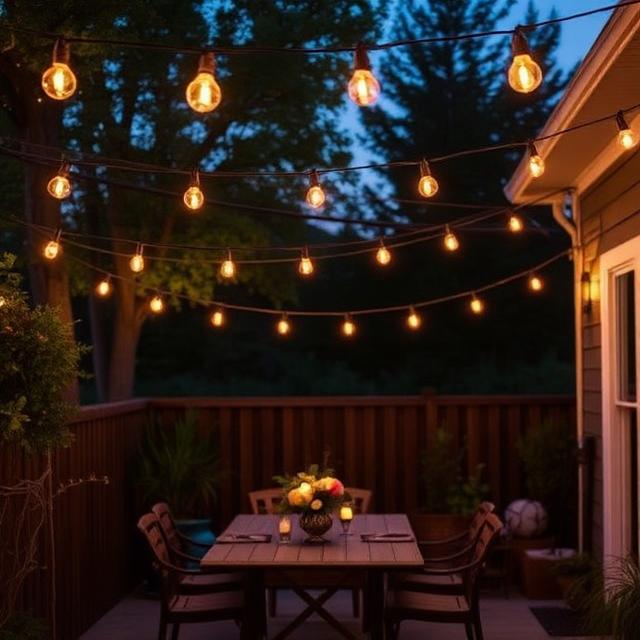
String lights are the backbone of cozy outdoor lighting. They provide gentle ambient light that instantly softens the space and sets a relaxed mood. Draped overhead, they visually lower the ceiling and make large areas feel more intimate. Choose warm white bulbs to avoid a stark or commercial look. This layer works best as your base, not your only light source.
2. Add Lanterns for Warm, Ground-Level Glow
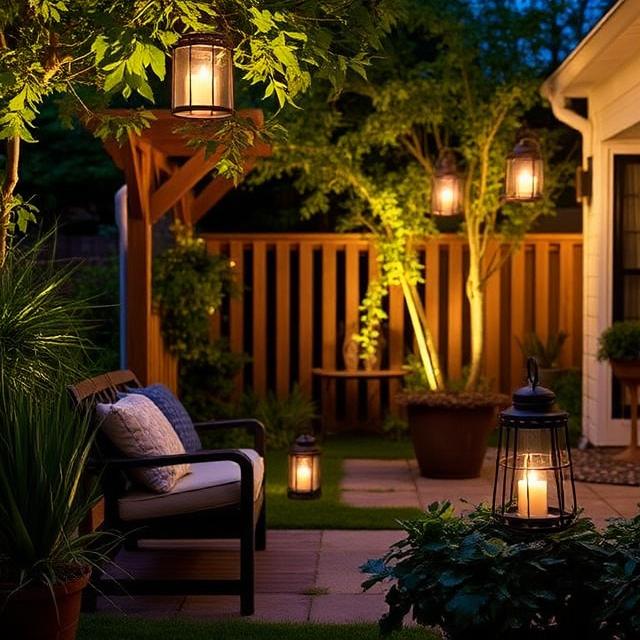
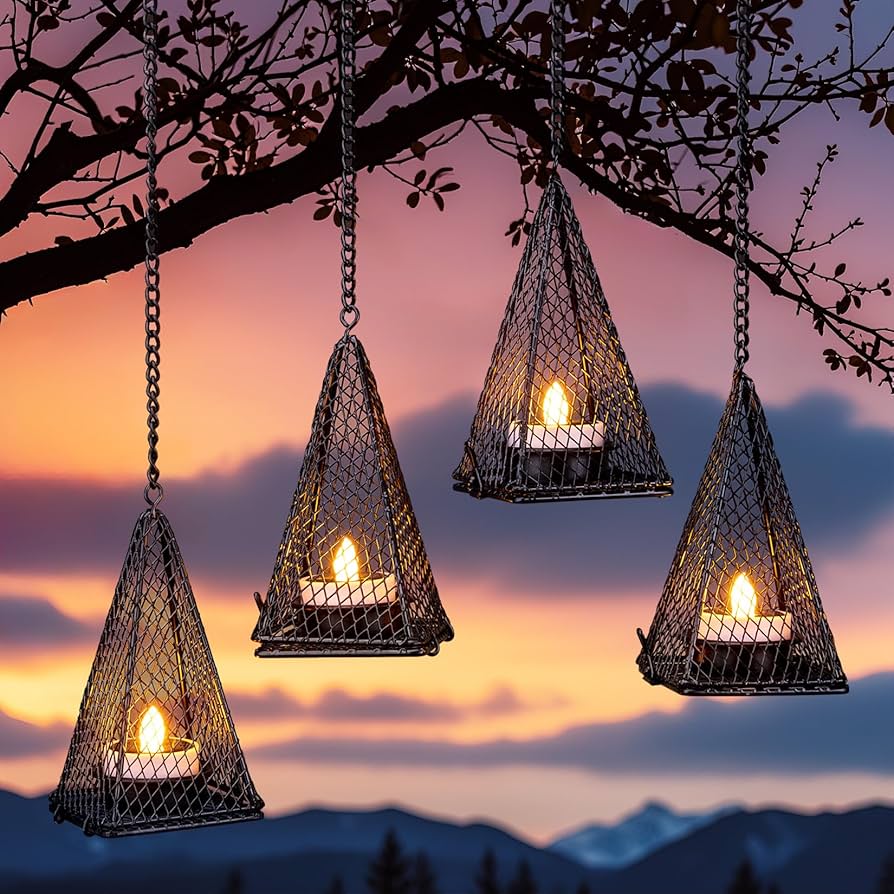
Lanterns introduce light closer to eye level, which adds balance to overhead lighting. Placed near seating or along pathways, they guide movement while creating a welcoming feel. Battery or solar lanterns make placement flexible and stress-free. Their soft flicker mimics candlelight, which naturally feels cozy. This layer helps prevent your space from feeling flat.
3. Use Path Lights to Gently Define Walkways
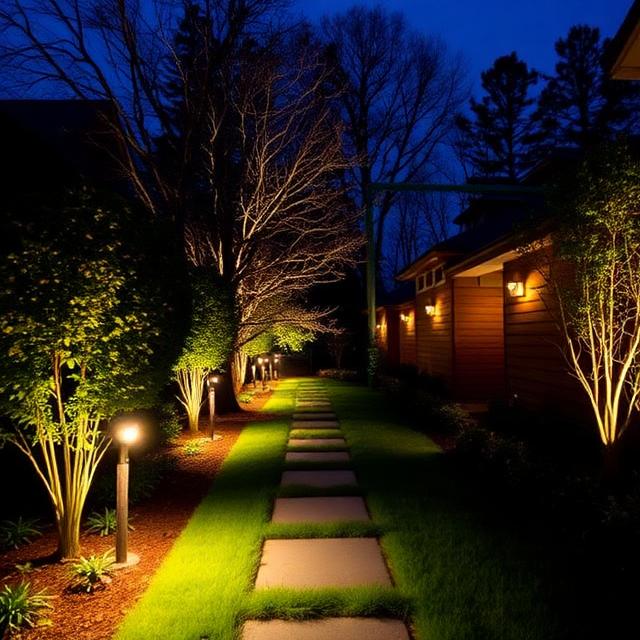
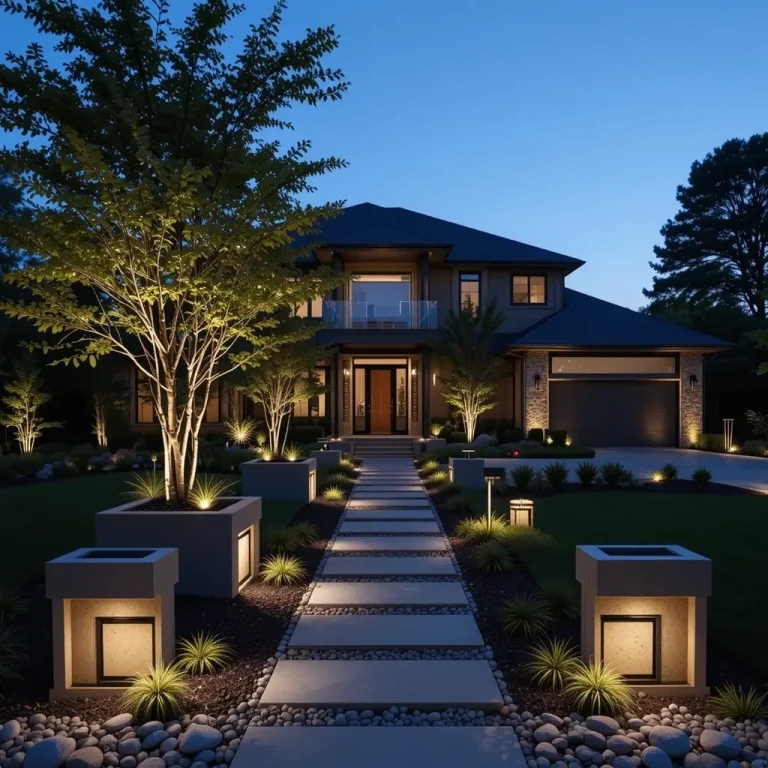
Path lights are functional, but they also shape the nighttime atmosphere. Low, evenly spaced lights prevent harsh shadows and keep the mood calm. Avoid overly bright fixtures that feel like runway lights. Warm-toned path lights subtly guide the eye through the space. This layer improves safety without sacrificing style.
4. Layer Wall Sconces for Structure and Balance
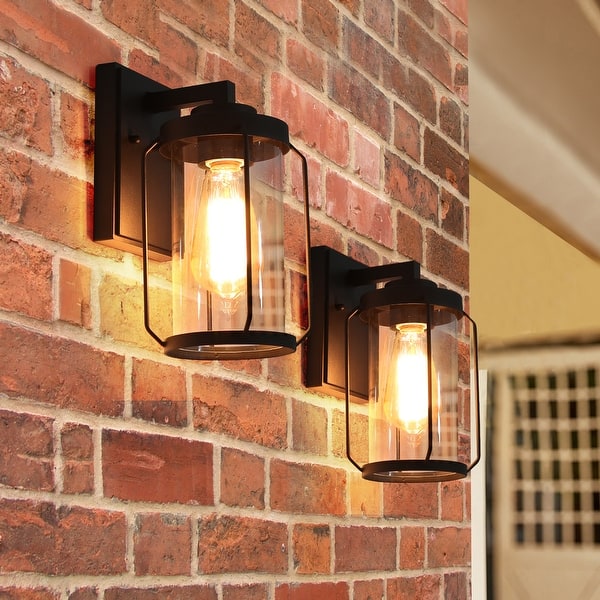
Wall sconces add a sense of architecture to outdoor areas. They provide consistent light while anchoring the space visually. Choose fixtures with downward or diffused lighting to keep things soft. When paired with string lights, they prevent the space from feeling underlit. This layer is especially useful on patios and balconies.
5. Highlight Greenery with Uplighting

Uplighting turns plants into nighttime focal points. A soft light aimed upward adds depth and drama without overwhelming the space. Trees, tall plants, or textured walls work especially well. This technique creates contrast between light and shadow, which feels intentional and cozy. It’s a subtle way to make your yard feel designed, not random.
6. Use Tabletop Lighting for Intimate Moments
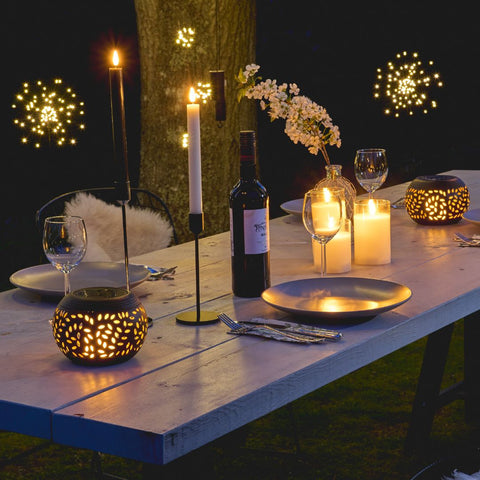
Small lights on tables make conversations feel more personal. Candles, mini lanterns, or rechargeable lamps work beautifully here. This layer draws attention to seating areas and encourages people to linger. It also softens faces, which makes gatherings feel warmer. Tabletop lighting is where coziness really comes to life.
7. Add Step Lights for Subtle Dimension
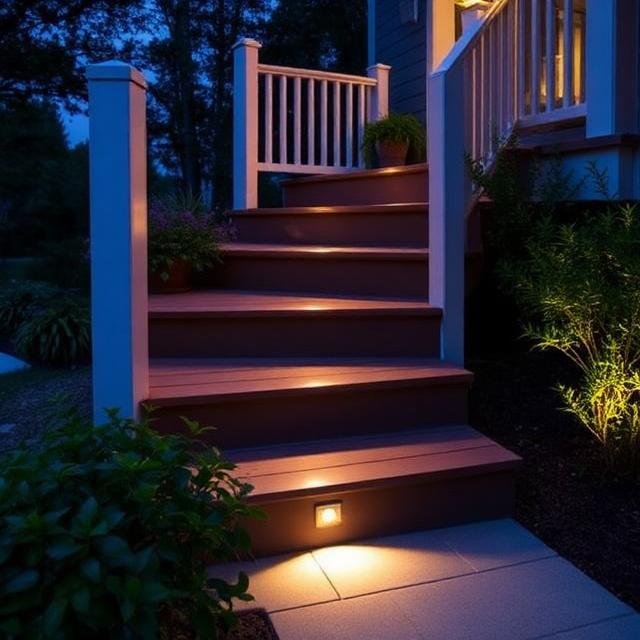
Step lights are often overlooked, but they add quiet elegance. Installed along stairs or deck edges, they create visual flow without overpowering the space. These lights improve safety while maintaining a calm ambiance. Choose low-lumen fixtures for a gentle glow. This layer works best when it blends in rather than stands out.
8. Use Fire Features as Natural Light Sources
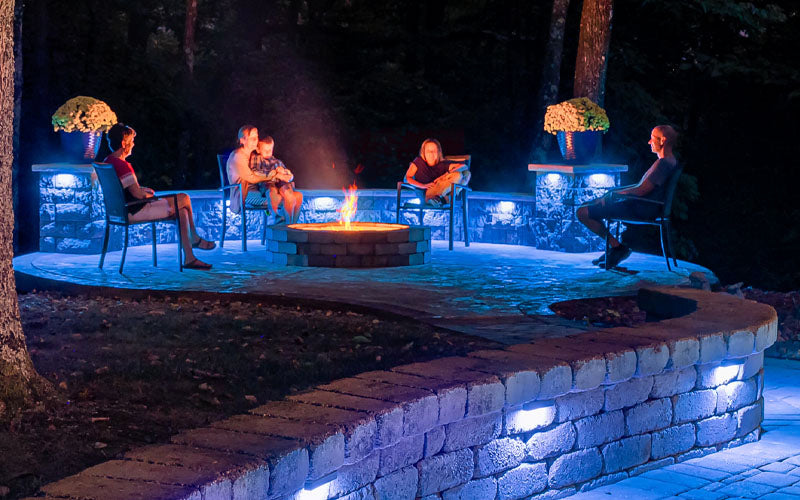
Fire pits and fireplaces provide both warmth and light. The flickering glow naturally draws people in and creates a strong focal point. Firelight adds movement, which keeps the space feeling alive. It pairs beautifully with softer lighting layers around it. This is one of the coziest lighting elements you can add.
9. Mix Heights to Avoid Flat Lighting
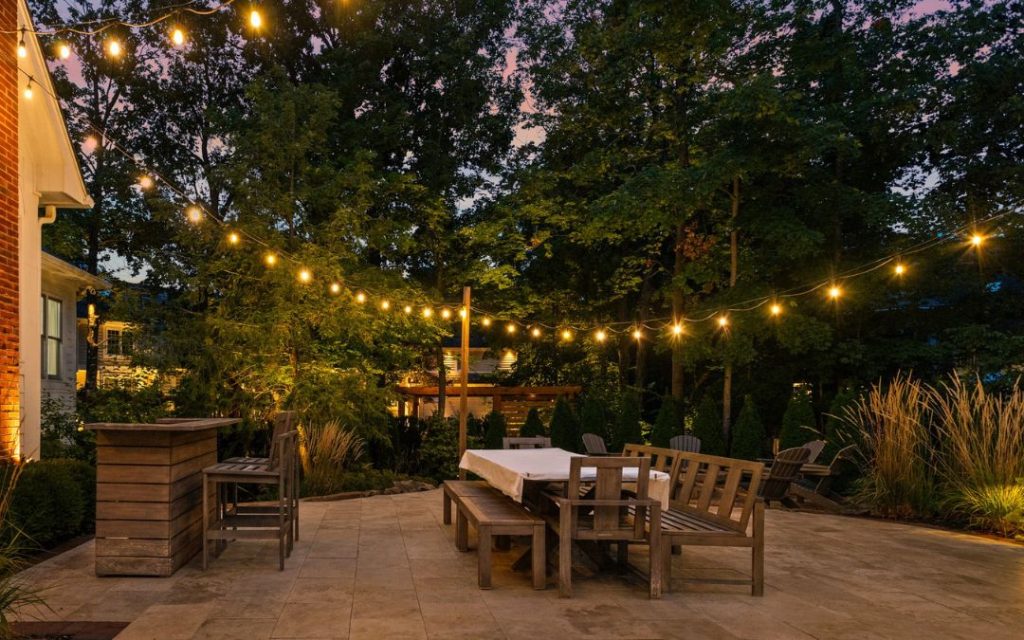
Lighting at one height makes a space feel dull. Combining overhead, mid-level, and ground lighting creates depth. This approach mimics how indoor lighting works, which feels more natural. The eye moves comfortably through the space instead of stopping at one bright spot. Height variation is key to a cozy look.
10. Use Solar Lights for Soft Background Glow
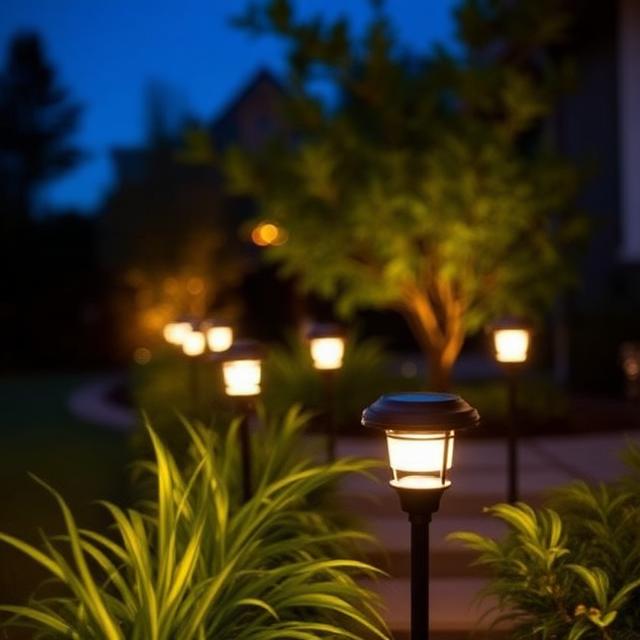
Solar lights are perfect for subtle background lighting. They work best when used sparingly and in clusters. Look for warm-color options rather than cool white. These lights quietly fill dark corners without drawing attention to themselves. They’re ideal for creating a relaxed nighttime backdrop.
11. Frame Seating Areas with Light
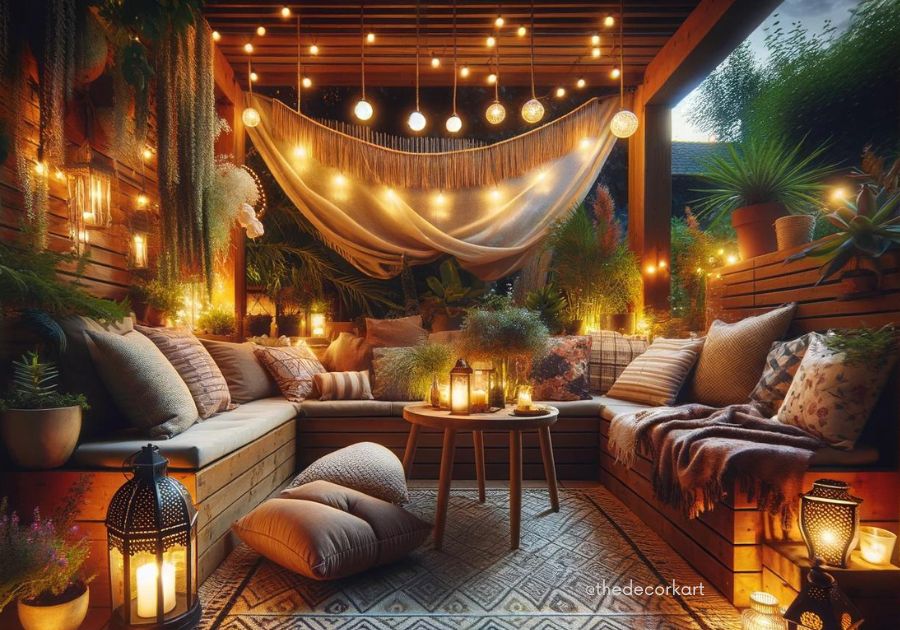
Lighting should visually “hug” your seating areas. When light surrounds seating, it feels intentional and inviting. Use lanterns, sconces, or low lights nearby to define the zone. This prevents seating from floating in darkness. Cozy spaces always feel contained, not exposed.
12. Avoid Overlighting at All Costs

More light does not equal better lighting. Overlighting kills atmosphere and creates glare. Cozy outdoor spaces rely on shadows and softness. If a light feels too bright, it probably is. Dimming or repositioning often makes a bigger difference than adding more fixtures.
13. Choose Warm Color Temperatures

Warm light instantly feels more welcoming than cool tones. Aim for bulbs around 2200K–2700K for the coziest effect. Cooler lights feel harsh and clinical outdoors. Warm tones blend better with natural materials like wood and stone. This choice alone can transform the mood of your space.
14. Use Lighting to Create Visual Layers, Not Spotlights

Lighting should wash over areas, not spotlight everything. Soft layers create harmony and balance. When every feature competes for attention, the space feels busy. Let certain areas fade slightly into shadow. Cozy lighting always feels effortless, even when it’s carefully planned.
15. Test Your Lighting at Night and Adjust
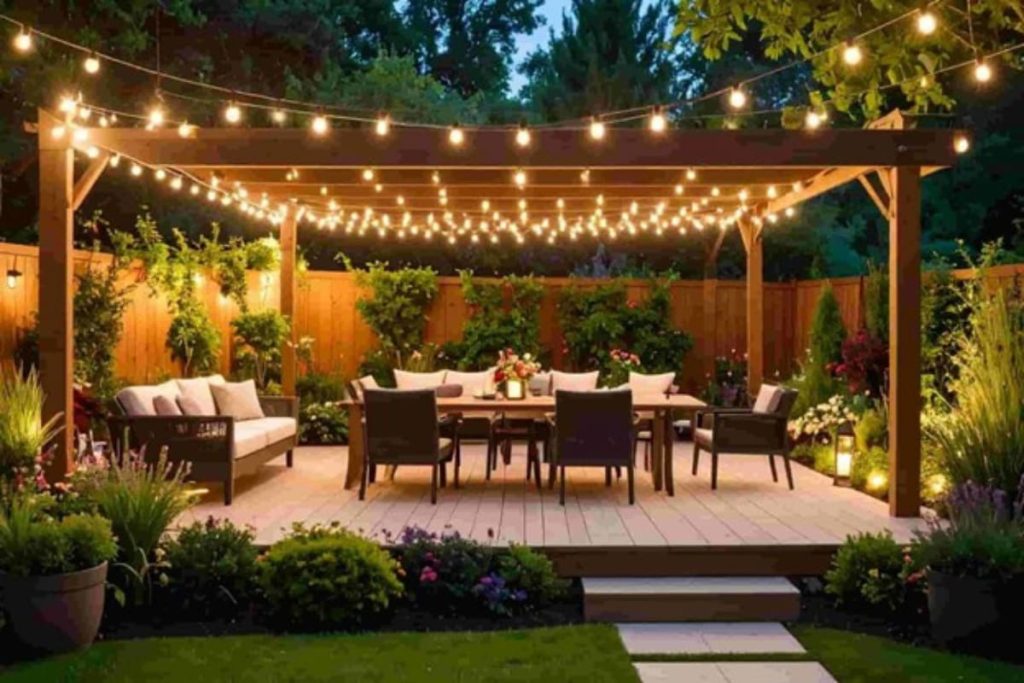
The final step happens after dark. Walk through your space and notice where light feels harsh or missing. Small adjustments make a huge difference. Move lanterns, dim lights, or remove a fixture if needed. Cozy lighting is about feeling, not perfection.
Conclusion
Layered outdoor lighting is what turns a basic yard into a nighttime retreat. By combining ambient, task, and accent lighting, you create warmth, depth, and comfort without overdoing it. The goal isn’t brightness—it’s balance. When each light has a purpose, your outdoor space becomes somewhere you actually want to stay long after sunset.