How to Style an Outdoor Space on a Budget (Without It Looking Cheap)
Last updated on March 27th, 2026 at 10:09 pm

Your outdoor space doesn’t need a massive budget to feel inviting, stylish, and intentional. A few smart choices can completely change how a patio, balcony, or backyard feels—without draining your wallet. The trick is knowing where to save, where to splurge a little, and how to make simple items work harder. Think creativity over cost and layering over buying everything new. Let’s walk through practical, real-life ways to style an outdoor space beautifully while keeping your budget very much intact.
Start With What You Already Own
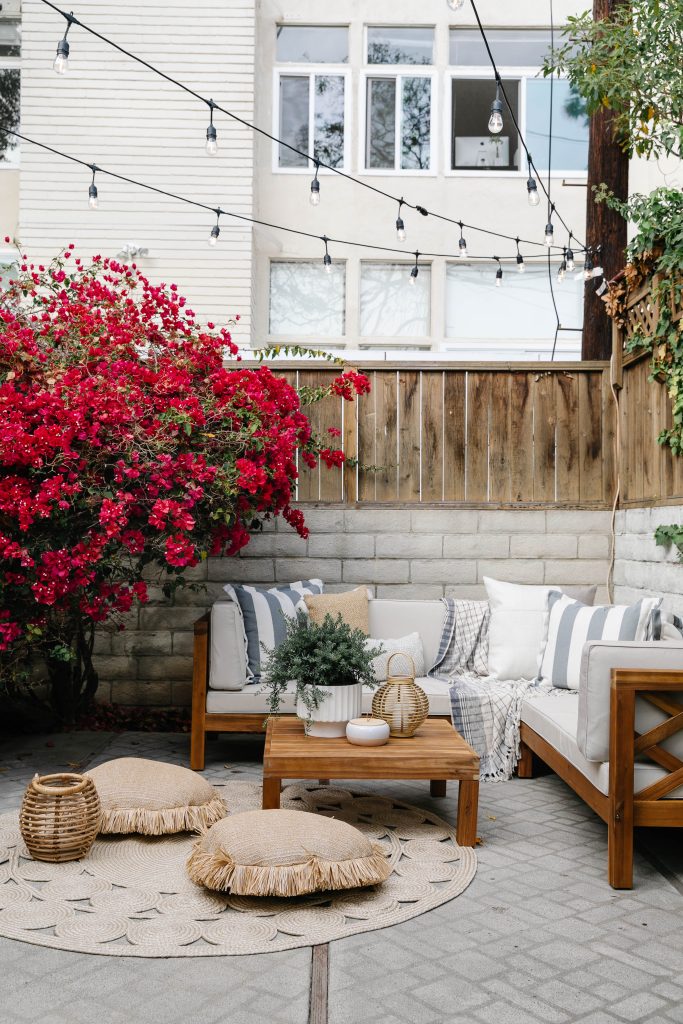
Before buying anything, shop your home first and pull pieces that can live outdoors temporarily. Chairs, stools, side tables, and even baskets can work beautifully outside for casual styling. This approach saves money instantly and helps you see what gaps truly need filling. Many indoor items look more relaxed and charming once placed outdoors. Realistically, rotating pieces seasonally also keeps your space feeling fresh without extra cost.
Use Outdoor Rugs to Define the Space

An outdoor rug is one of the fastest ways to make a space feel finished. It visually anchors furniture and creates the feeling of a “room” outside. Budget-friendly options are widely available and often just as durable as high-end versions. Even a small rug can transform a balcony or narrow patio. This is a great example of a low-cost item delivering high visual impact.
String Lights Change Everything
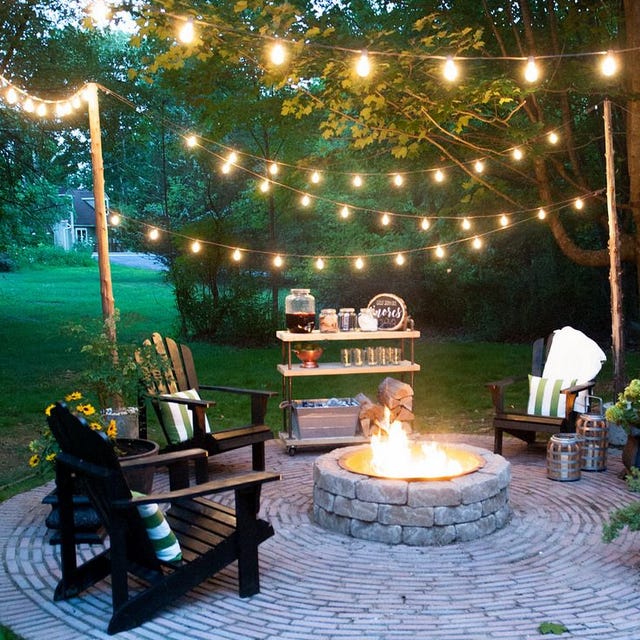
Good lighting instantly makes an outdoor area feel warm and intentional. String lights are affordable, easy to install, and incredibly forgiving in terms of placement. Wrap them around railings, drape them overhead, or zigzag them across a fence. They create ambiance at night while also making the space usable after sunset. It’s one of the most budget-efficient upgrades you can make.
Choose Multi-Purpose Furniture
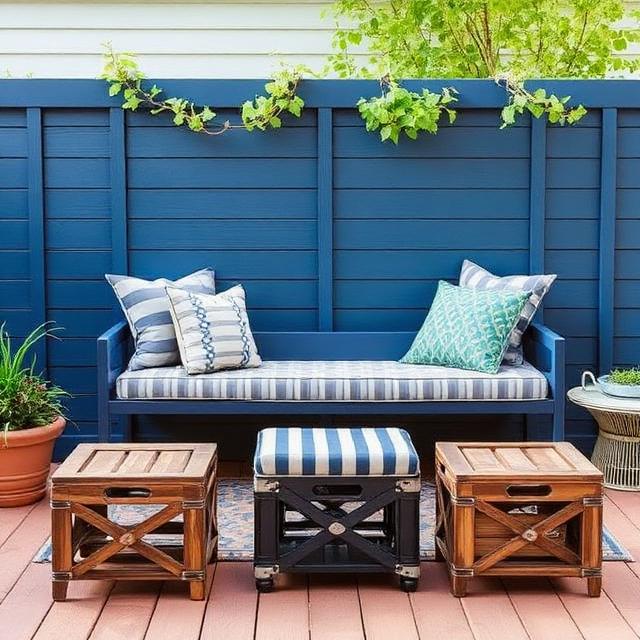
When money is tight, every piece should work overtime. Look for benches with storage, stools that double as side tables, or crates that can be stacked and moved. Multi-purpose furniture reduces clutter and limits how many items you need to buy. This is especially helpful in small outdoor spaces where flexibility matters. Practical pieces often end up being the most used—and the most loved.
Add Plants Slowly and Strategically
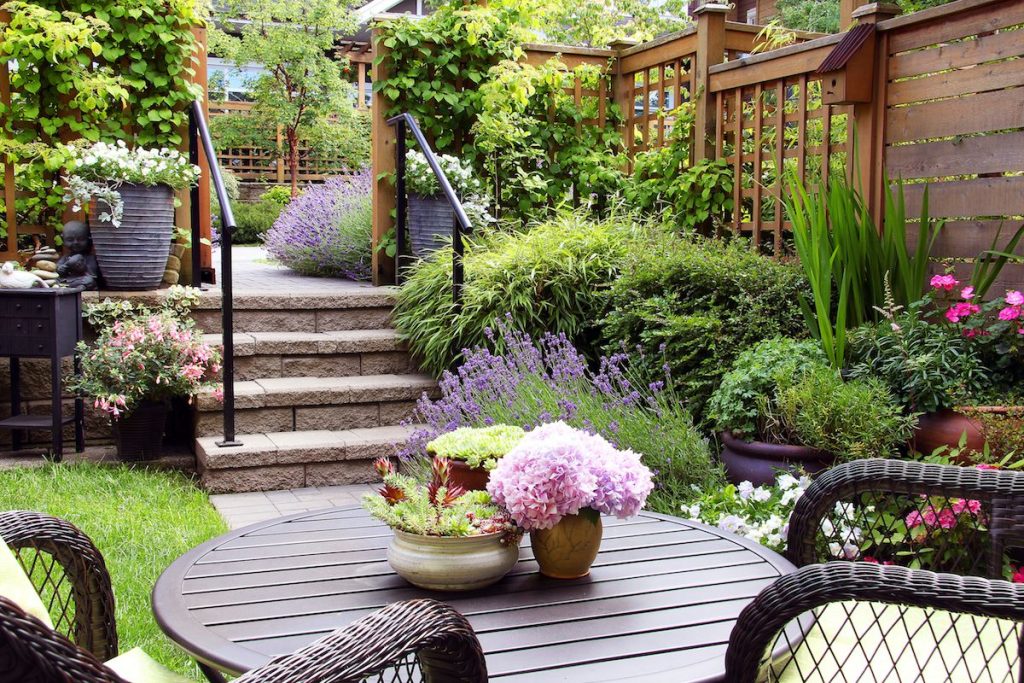
You don’t need a jungle overnight to make an impact. Start with a few well-placed plants and build over time as your budget allows. Choose hardy, low-maintenance varieties that won’t need constant replacement. Grouping smaller plants together also makes them look fuller and more intentional. Real-life tip: nurseries often discount plants at the end of the season, making this an easy win.
Repurpose Containers as Planters
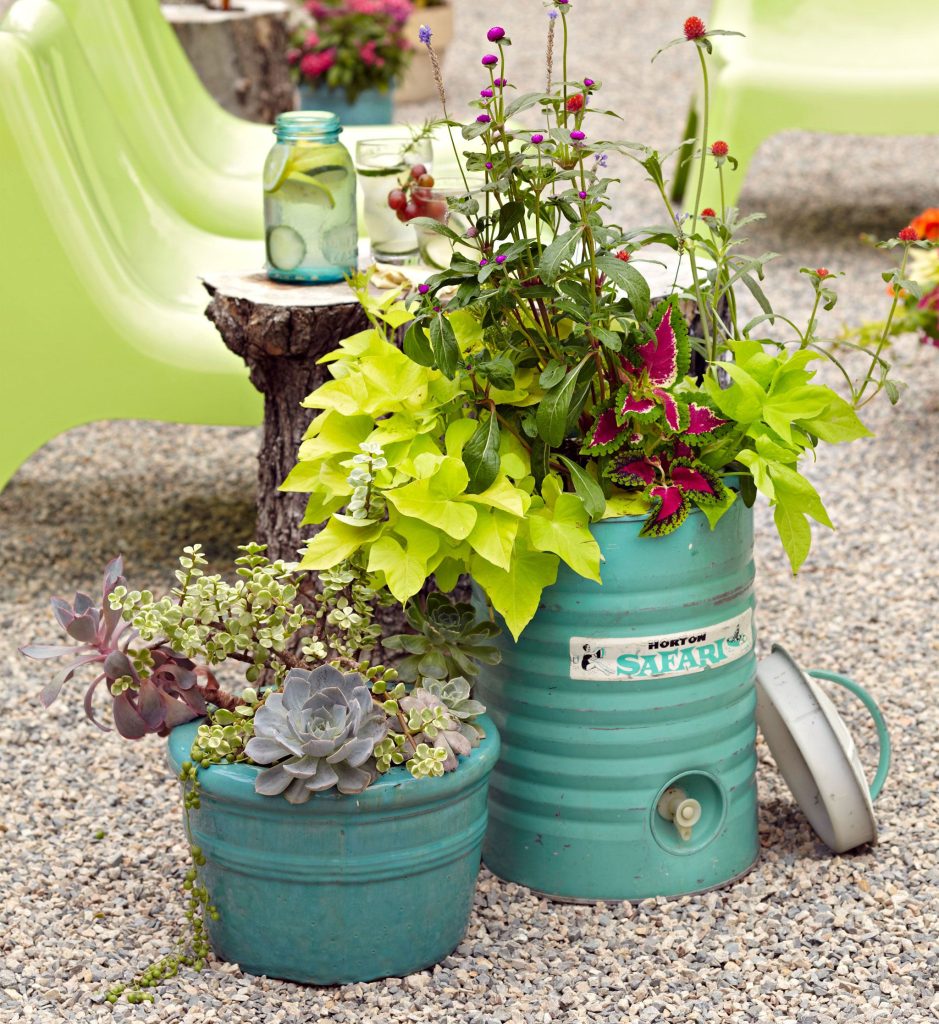
Expensive planters are not a requirement for good style. Buckets, baskets, old bowls, and even wooden boxes can become charming planters with minimal effort. This adds personality while keeping costs low. Mixed materials also make a space feel layered rather than store-bought. It’s a creative solution that feels personal and intentional.
Layer With Outdoor Textiles

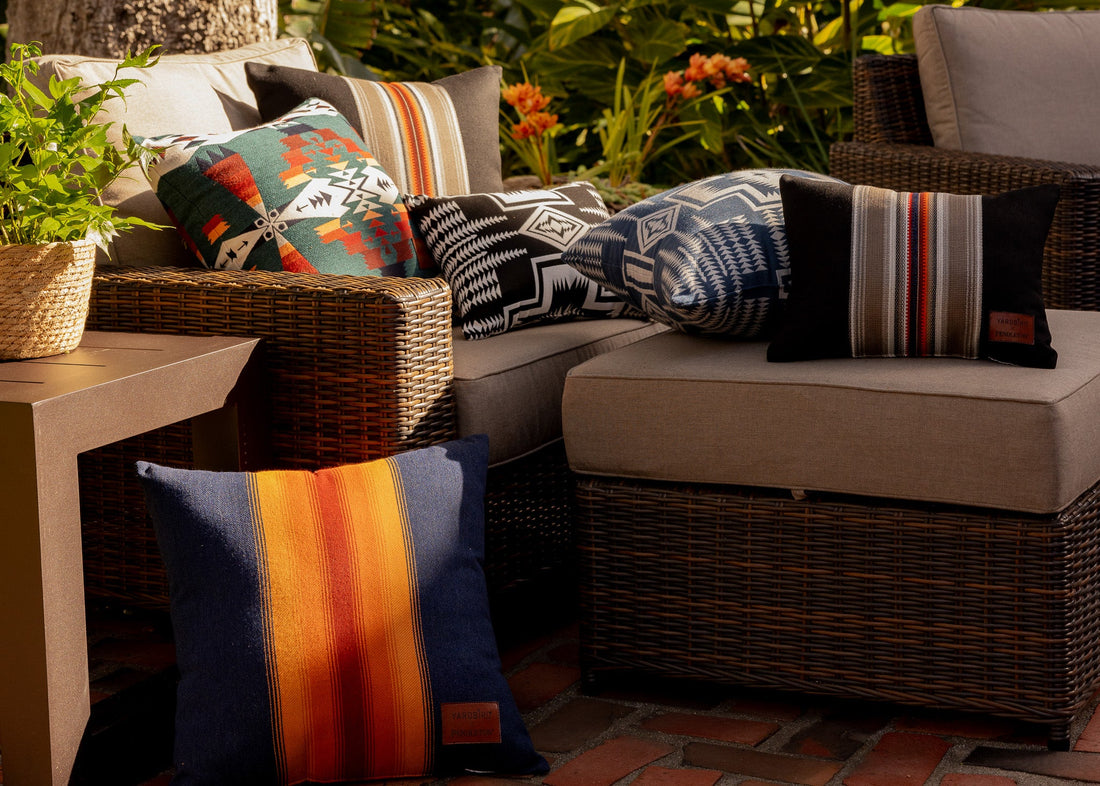
Textiles soften hard surfaces and make outdoor furniture feel inviting. Cushions, throws, and pillows instantly upgrade basic seating. Stick to a simple color palette so even budget finds look cohesive. You can also rotate covers seasonally instead of buying new pillows each year. Comfort always makes a space feel more expensive than it is.
Create Privacy Without Building Walls
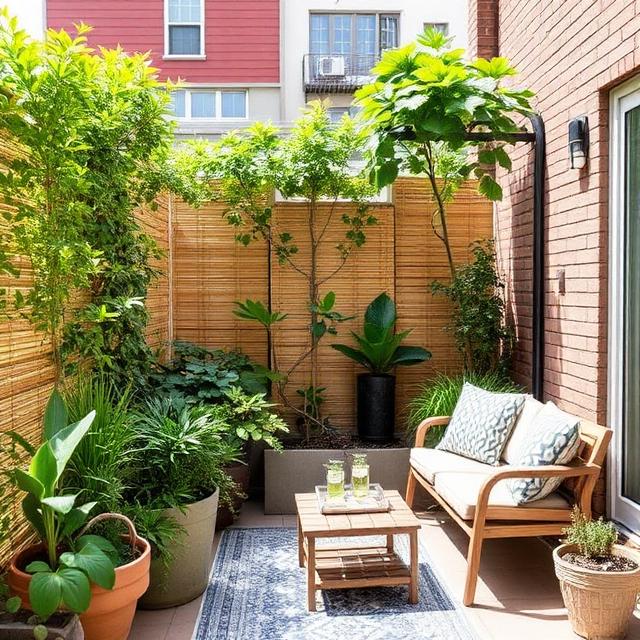
Privacy can be achieved without expensive fencing or construction. Use tall plants, outdoor curtains, bamboo screens, or even fabric panels. Visual separation makes a space feel calmer and more intentional. This is especially helpful for balconies or shared outdoor areas. Small changes here dramatically improve how often you’ll actually use the space.
Focus on One Statement Piece
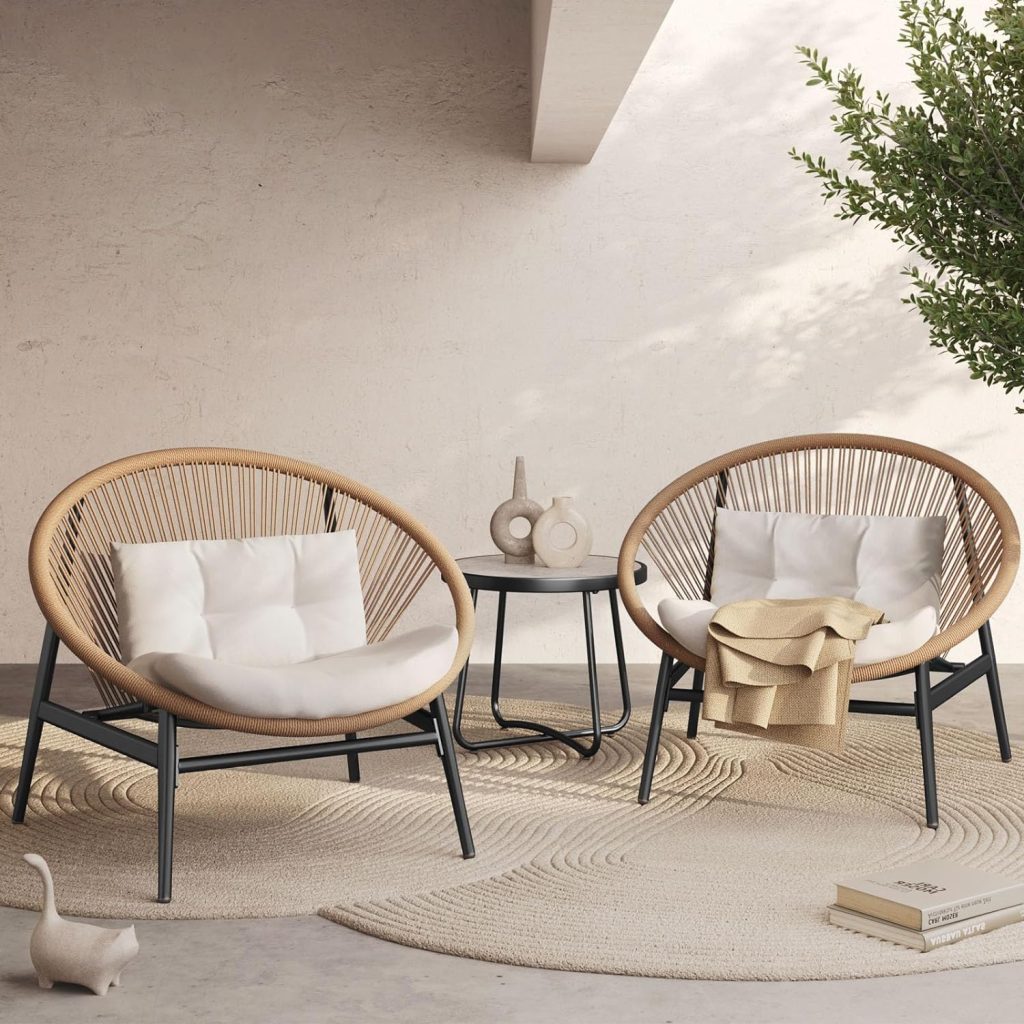
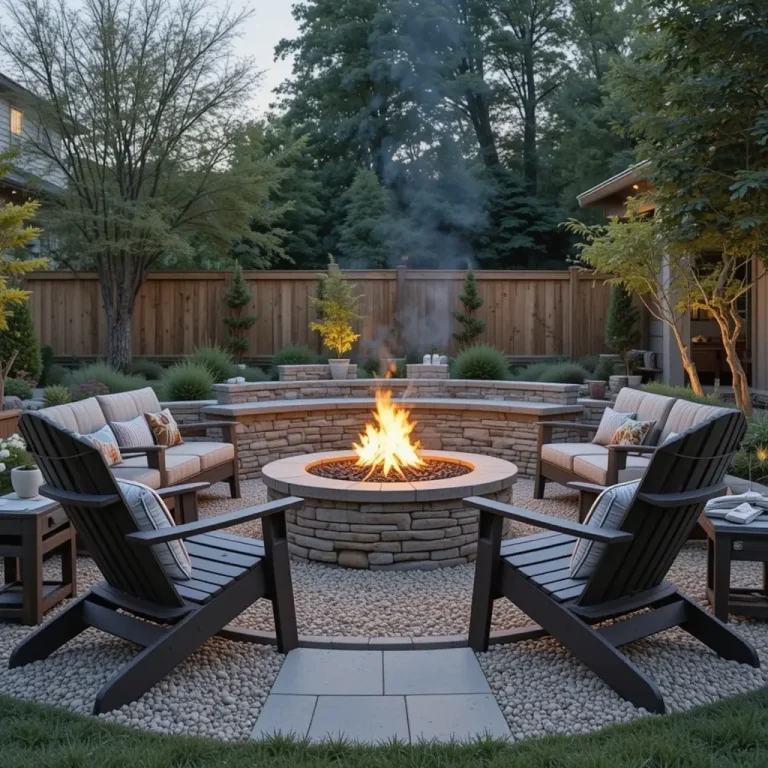
Instead of buying many small items, invest in one standout piece. This could be a chair, fire pit, umbrella, or table that anchors the space. A single statement piece gives the area direction and makes everything else feel deliberate. Surround it with simpler, budget-friendly items. This strategy keeps costs down while still creating a strong visual impact.
DIY When It Makes Sense
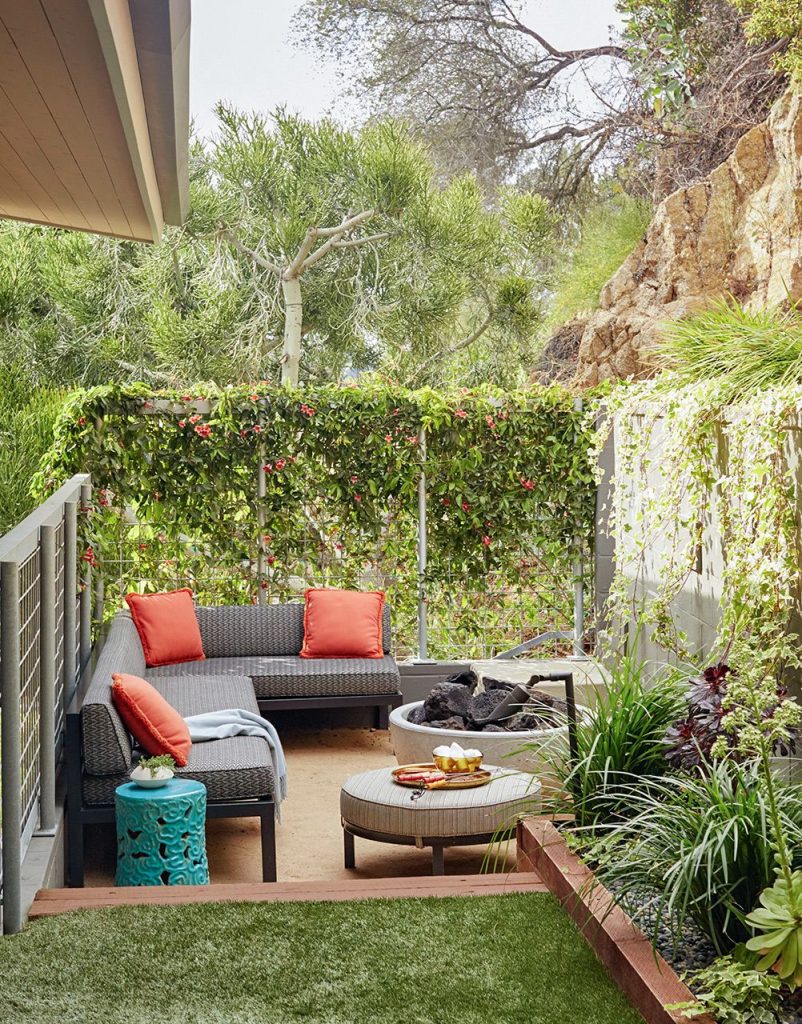
DIY projects can save money—but only when they’re realistic. Simple builds like pallet seating, concrete side tables, or painted furniture offer big returns. Avoid complicated projects that cost more in time and materials than buying ready-made. DIY works best when it adds personality, not stress. The goal is progress, not perfection.
Use Vertical Space to Add Style
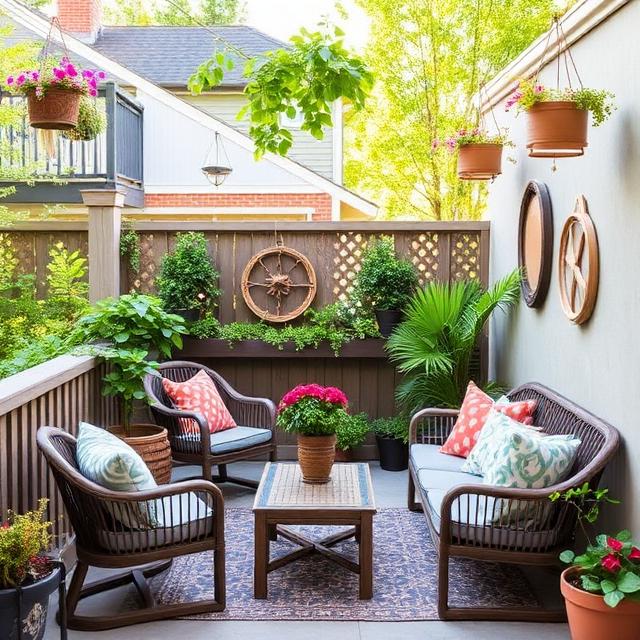
Walls, railings, and fences are often underused. Hang plants, lights, or wall decor to draw the eye upward. Vertical styling makes small spaces feel larger and more layered. It’s also budget-friendly because it relies on fewer materials. This is a smart way to add interest without crowding the floor.
Stick to a Simple Color Palette
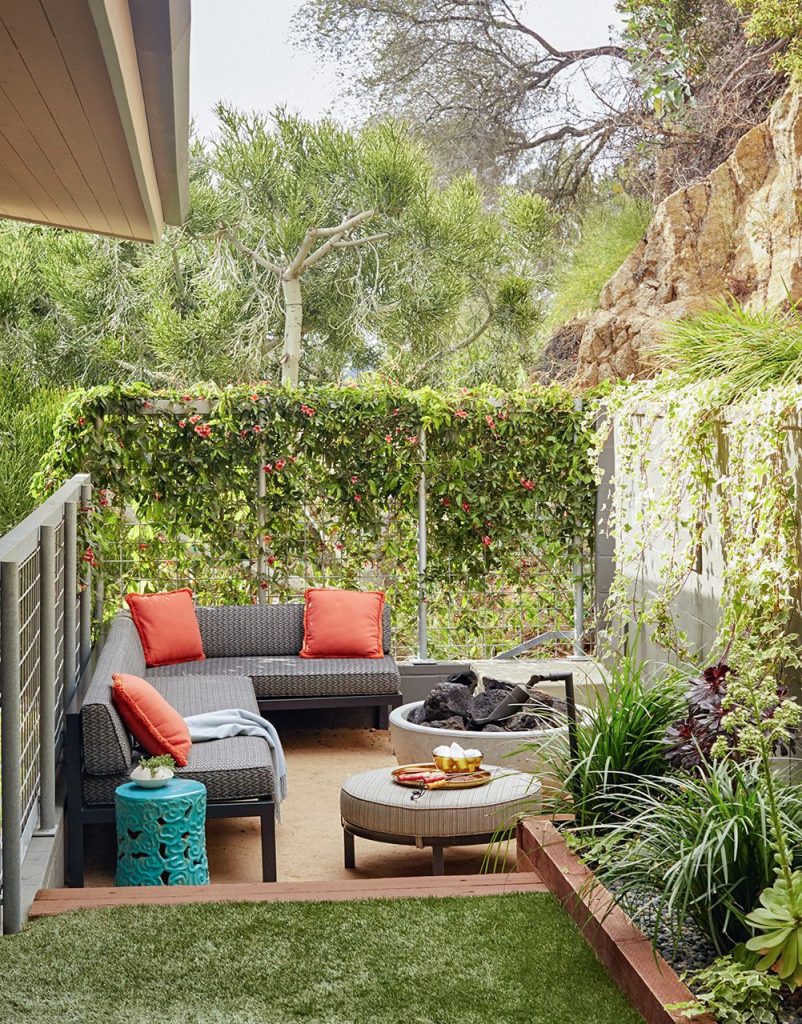
A limited color palette keeps budget items from looking mismatched. Neutrals with one or two accent colors are easy to maintain and expand over time. Consistency makes inexpensive pieces feel intentional rather than random. This approach also helps when adding new items later. Style feels more elevated when there’s visual calm.
Style for How You’ll Actually Use the Space
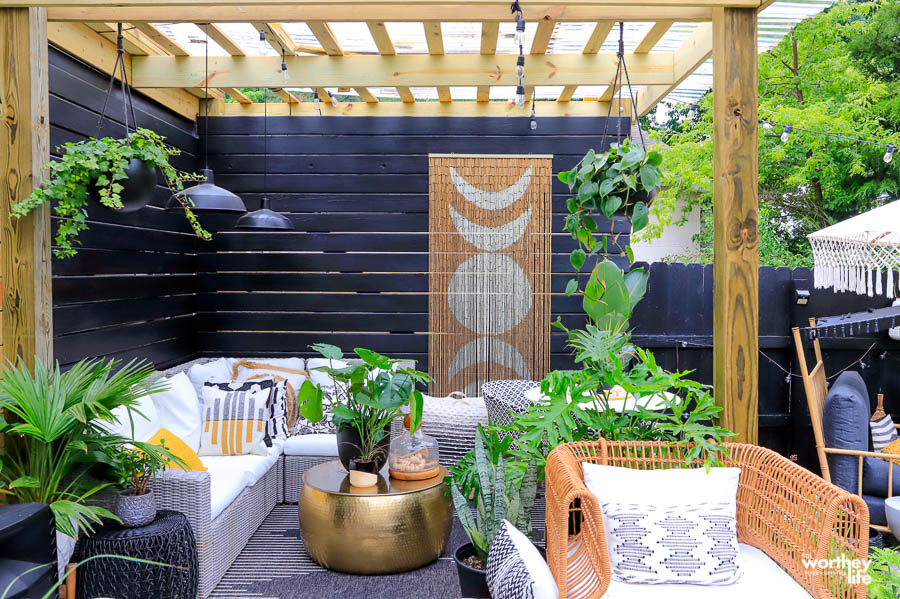
The best outdoor spaces are designed around real habits. If you love coffee outside, prioritize seating and a small table. If entertaining matters more, focus on lighting and flexible seating. Styling based on use prevents wasted purchases. A functional space always feels better than a perfectly styled one that goes unused.
Conclusion
Styling an outdoor space on a budget is about intentional choices, not cutting corners. When every item has a purpose, even affordable pieces feel thoughtful and polished. Small upgrades layered over time create spaces that feel lived-in and welcoming. Focus on comfort, function, and creativity—and your outdoor area will reflect that effortlessly. A beautiful space doesn’t come from spending more; it comes from styling smarter.