Transitional Living Room Ideas: 13 Stylish Ways to Blend Classic & Modern Comfort
A transitional living room is where timeless elegance meets clean, modern simplicity—and when it’s done right, it feels effortlessly put together. If your space feels either too traditional or a little too cold and modern, this style is the perfect middle ground. It’s all about balance—softening sharp edges while refining classic details. The beauty of transitional design is how flexible it is, making it perfect for real homes, not just staged interiors. Let’s walk through ideas you can actually use to create a space that feels polished yet lived-in.
1. Start With a Neutral Color Foundation
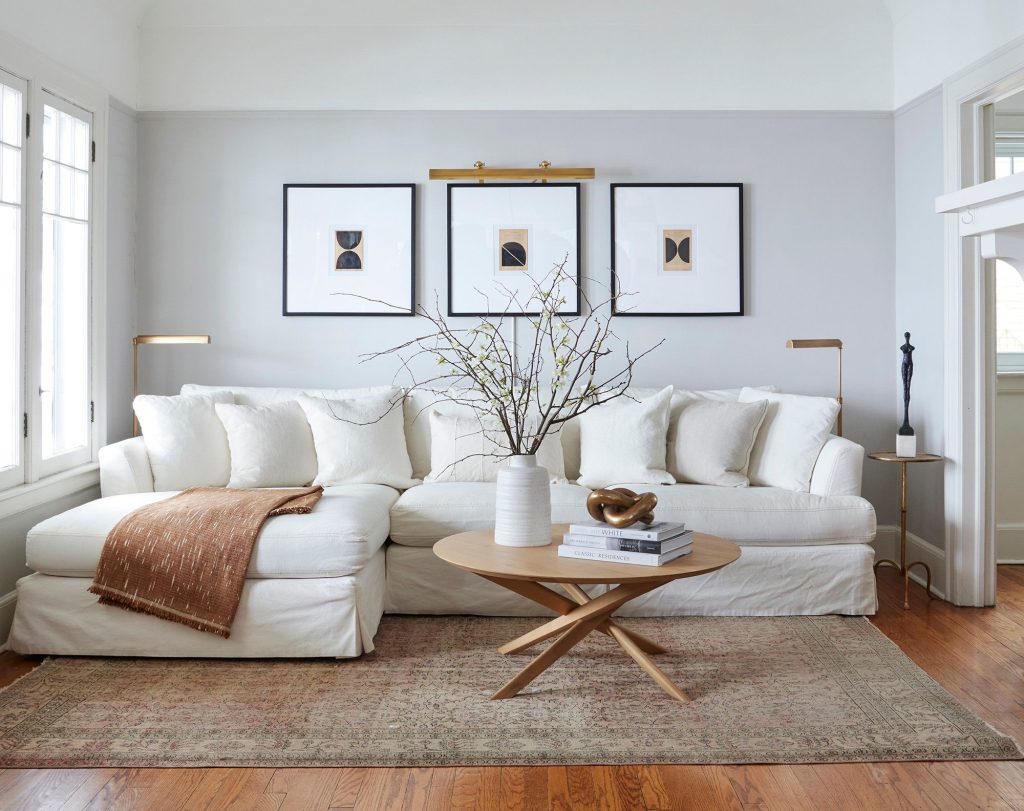
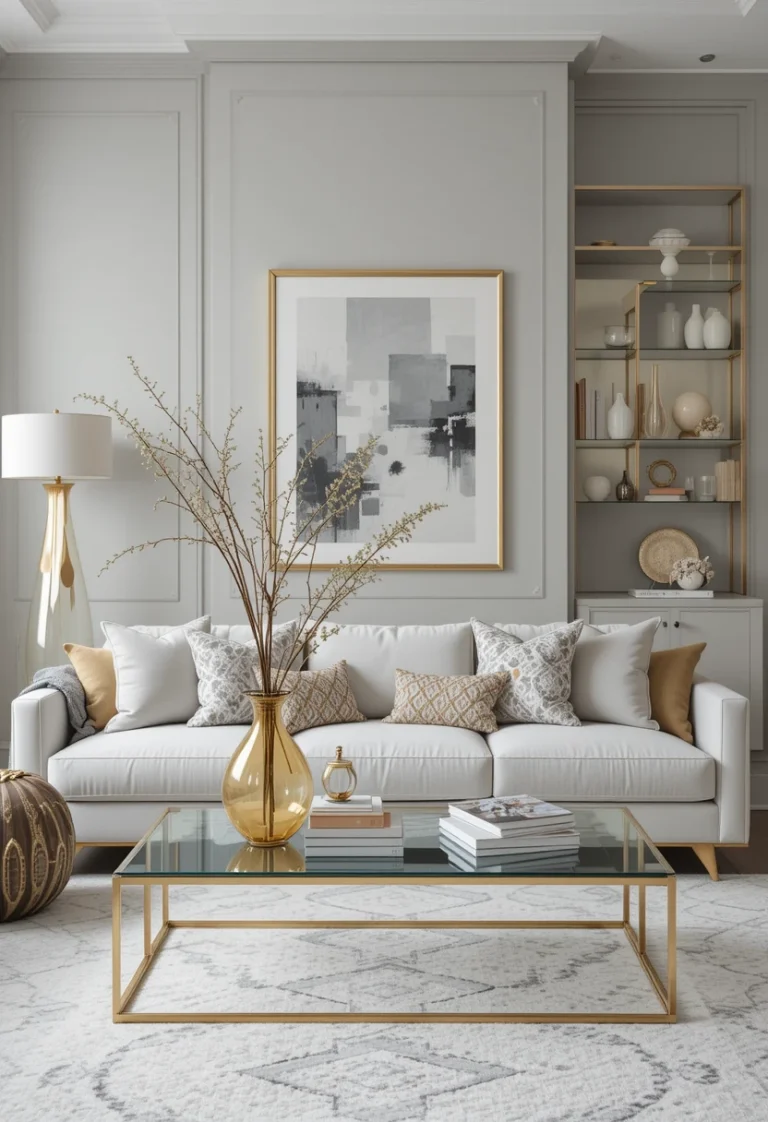
A neutral palette is the backbone of any transitional living room. Think warm whites, soft grays, beige, and taupe layered throughout the space. These tones create a calming base that allows both modern and traditional elements to coexist beautifully. I always recommend neutrals because they make your space feel bigger and easier to style over time. You can easily switch pillows or decor without starting from scratch.
2. Mix Classic Furniture With Clean Lines
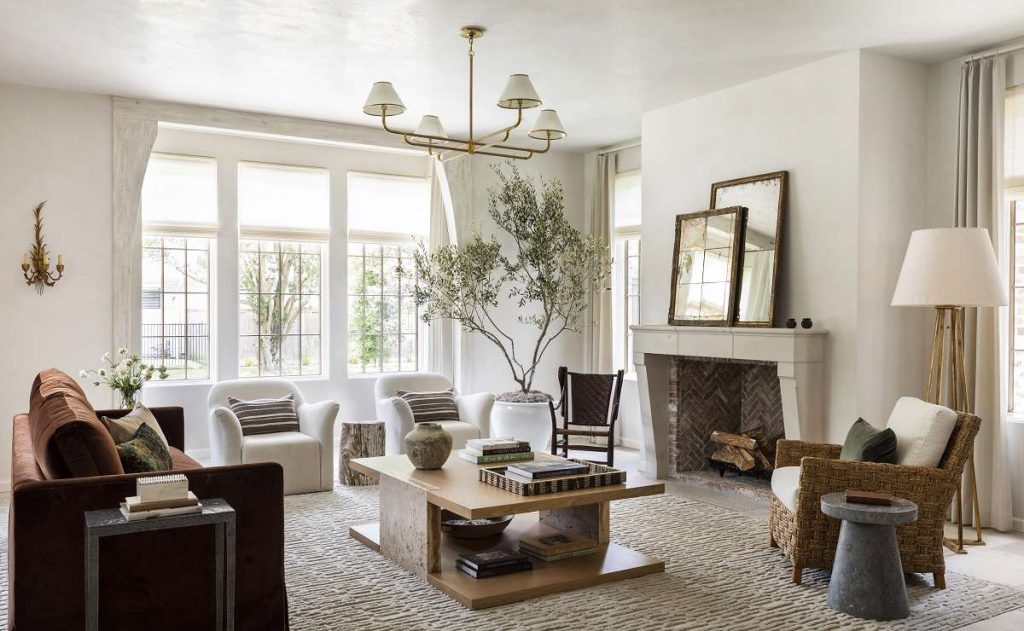
The magic of transitional style comes from contrast. Pair a classic sofa silhouette with a sleek, modern coffee table to create visual balance. This mix prevents your space from feeling stuck in one era. From experience, even one modern piece can refresh a traditional room instantly. It’s all about keeping things intentional rather than random.
3. Layer Textures Instead of Patterns
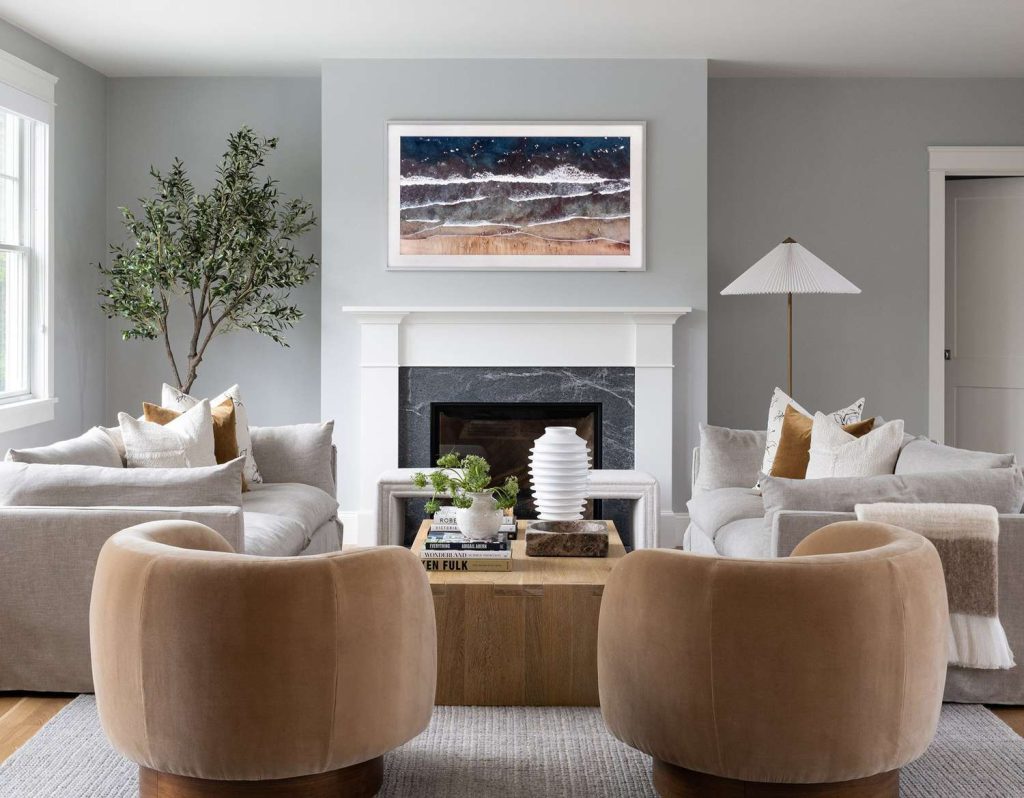
Instead of bold patterns, transitional spaces rely on rich textures to create depth. Think linen, velvet, wood, and metal working together. This keeps the room visually interesting without overwhelming it. I’ve found this approach especially helpful in smaller living rooms. It keeps everything feeling calm but still layered and stylish.
4. Keep Decor Minimal but Intentional

A transitional space doesn’t need a lot of decor to feel complete. Focus on a few meaningful, well-chosen pieces instead of cluttering every surface. This makes your space feel curated rather than crowded. It also allows your best pieces to stand out more. Think quality over quantity every time.
5. Incorporate Soft, Curved Elements

Curves help soften the structured feel of modern design. Adding rounded chairs, circular tables, or arched mirrorsmakes the space feel more inviting. I’ve seen rooms instantly feel warmer just by introducing one curved piece. It’s a subtle but powerful design move. Balance is everything here.
6. Use Statement Lighting as a Bridge

Lighting is one of the easiest ways to blend styles. A modern chandelier in a classic room instantly creates contrast. Look for fixtures with clean shapes but warm materials like brass. Lighting also sets the mood, which is often overlooked. It’s both functional and decorative.
7. Balance Warm and Cool Tones
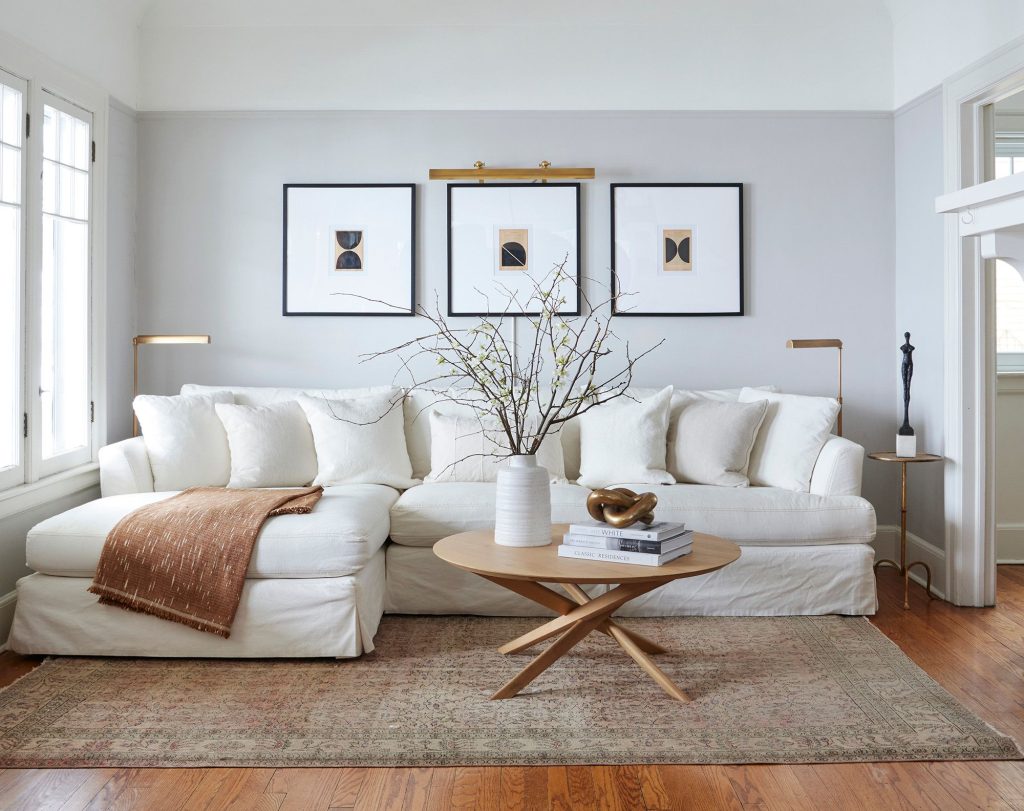
A well-designed room balances color temperature. Pair cool grays with warm woods or gold accents for harmony. Too much of one tone can throw the room off. Transitional design thrives in the middle. That’s what makes it feel timeless instead of trendy.
8. Add Subtle Architectural Details

Details like wall molding, trim, or paneling instantly elevate a space. Keep them simple and not overly ornate. These elements add just enough traditional character. Even budget-friendly molding can completely transform a blank wall. It’s one of the highest-impact upgrades you can make.
9. Choose Artwork That Feels Balanced

Artwork is where you can blend styles creatively. Pair modern abstract art with classic frames or vice versa. This adds personality while maintaining cohesion. I always suggest sticking to a consistent color palette. It keeps everything looking intentional.
10. Opt for Streamlined Storage

Storage should feel clean and unobtrusive. Choose sleek cabinets or built-ins that blend into the space. Transitional rooms avoid bulky furniture that dominates the layout. This keeps the room feeling open and breathable. It also helps maintain that polished look.
11. Bring in Natural Elements
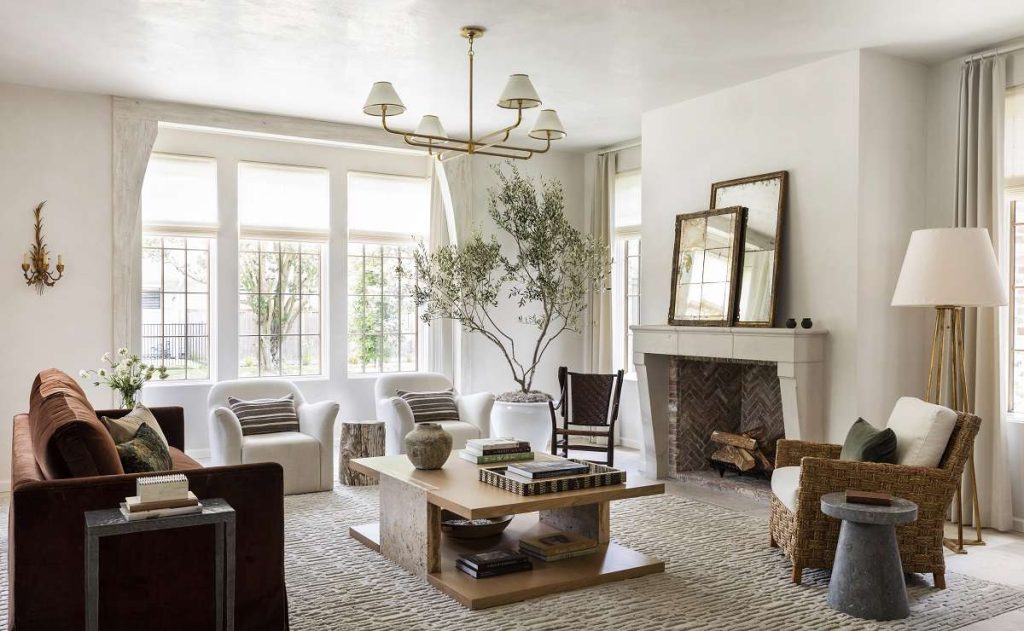
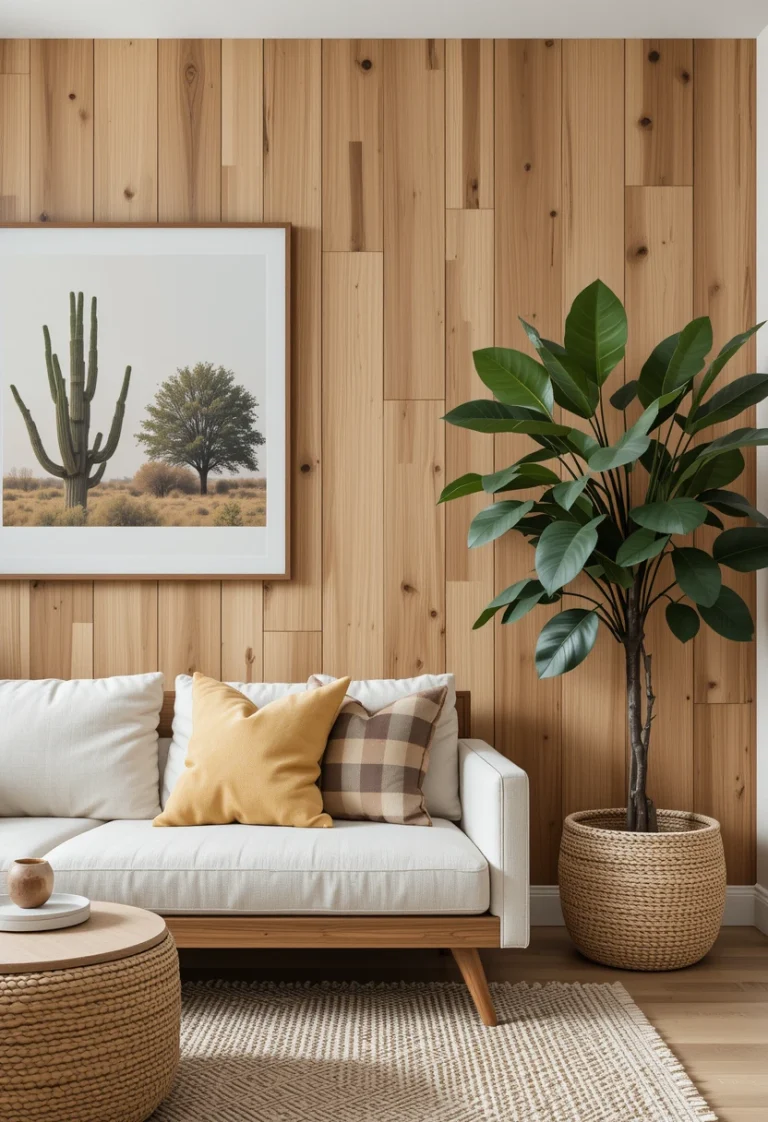
Natural materials ground the space beautifully. Use wood, greenery, or stone accents to add warmth. These elements soften modern finishes and make the room feel more relaxed. Even a small plant can shift the mood of the space. It’s a simple but powerful addition.
12. Use Symmetry for a Polished Look

Symmetry brings a sense of order and calm. Try matching lamps or balanced seating arrangements around a focal point. This subtle structure makes the room feel more refined. It’s a classic design principle that works every time. Especially in living rooms with a fireplace or TV wall.
13. Prioritize Comfort and Livability
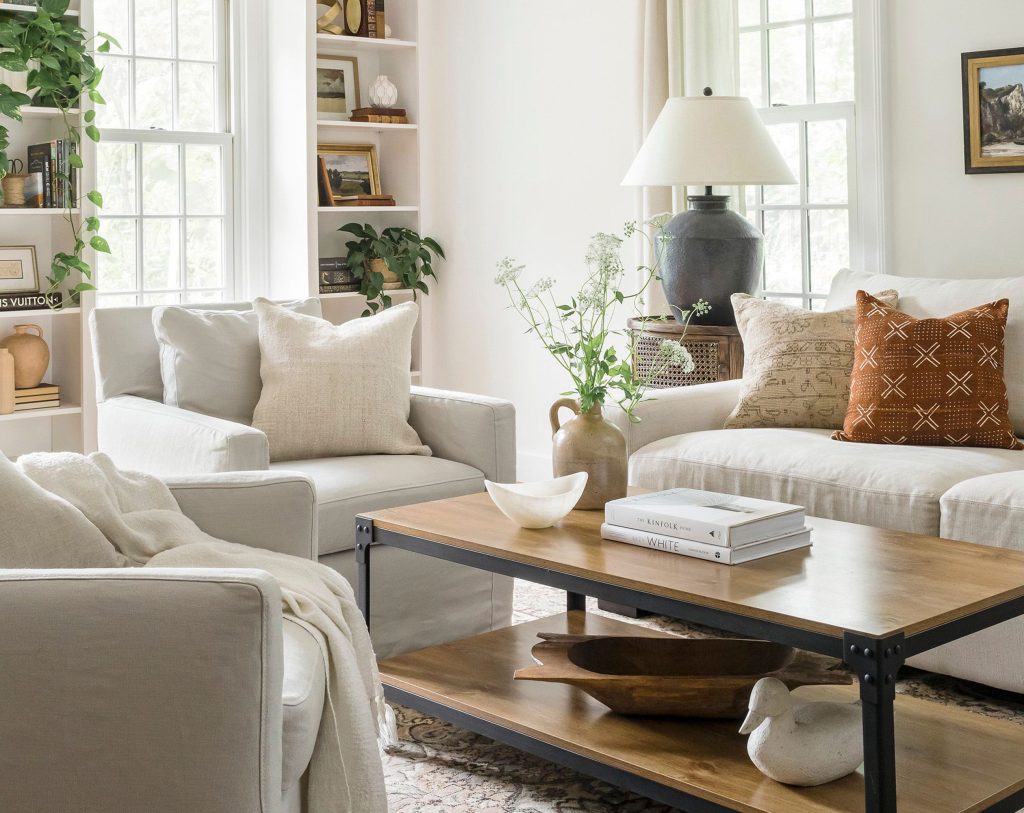
At the end of the day, your living room should feel like home. Focus on comfortable seating, soft fabrics, and practical layouts. Transitional design isn’t about perfection—it’s about balance and real-life use. I always say: if it doesn’t feel good to sit in, it doesn’t belong. Style should never come at the expense of comfort.
Conclusion
Transitional living rooms work because they strike the perfect balance between old and new. By combining clean lines, soft textures, and timeless details, you create a space that feels both current and enduring. The best part is how adaptable this style is—it grows with you. Start with a neutral base, layer thoughtfully, and let your personality shape the rest.