Urban Gardening Ideas That Actually Work in Small City Spaces
Last updated on January 18th, 2026 at 10:52 am

City life doesn’t leave much room for traditional gardens, but that doesn’t mean greenery is off the table. Whether you’re dealing with a tiny balcony, a narrow windowsill, or just a sunny corner indoors, urban gardening is all about working smarter with the space you already have. A few thoughtful choices can turn overlooked areas into productive, calming green zones.
Urban gardening also isn’t just about growing plants — it’s about creating daily moments of calm, freshness, and connection to nature in a busy environment. From edible setups to decorative plant displays, these ideas focus on practicality, beauty, and realistic maintenance. Below are 15 urban gardening ideas, counting down from simple starter setups to more statement-making solutions, all designed for real city living.
15. Windowsill Herb Garden

A windowsill herb garden is one of the easiest ways to start urban gardening with almost no investment. Herbs like basil, mint, and parsley thrive with just a few hours of sunlight each day. Keeping them close to the kitchen makes cooking more convenient and reduces food waste. This setup works especially well for renters since it doesn’t require drilling or permanent changes. It’s a small step that quickly builds confidence for bigger gardening projects.
14. Hanging Planters for Vertical Space

Hanging planters allow you to use airspace instead of floor space, which is critical in apartments. They work beautifully for trailing plants like pothos or ivy, adding softness to hard urban lines. Hanging greenery also improves airflow and visual balance in tight rooms. Using lightweight planters ensures safety and easier maintenance. This idea proves that even ceilings can contribute to a greener home.
13. Balcony Rail Planter Boxes

Balcony rail planters are ideal when floor space is limited but sunlight is abundant. These boxes make use of an area that’s often ignored while keeping walkways clear. Flowers, herbs, or even strawberries grow well in this setup. They also add privacy and color when viewed from both inside and outside. It’s a practical blend of function and curb appeal.
12. Indoor Plant Shelf Garden

A plant shelf garden turns ordinary shelving into a living feature. Grouping plants at different heights creates visual depth and allows each plant to get adequate light. This method works well for mixing decorative plants with smaller edibles like microgreens. Shelves also make watering and care more organized. It’s an excellent solution for people who enjoy styling as much as planting.
11. Recycled Container Gardening
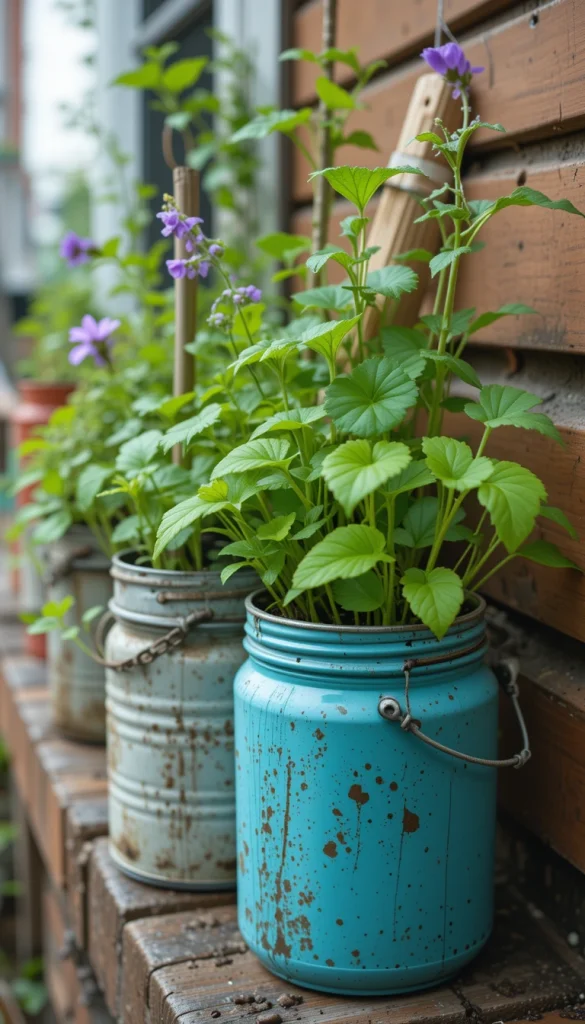
Using recycled containers is both budget-friendly and environmentally responsible. Old jars, buckets, or tin cans can be repurposed into charming planters with proper drainage. This approach encourages creativity while reducing waste. It’s especially useful for growing greens, herbs, or flowers. Real-life urban gardeners often start here because it removes the pressure of buying perfect supplies.
10. Wall-Mounted Planter Systems

Wall-mounted planters turn blank walls into vertical gardens without eating into floor space. They’re perfect for herbs, succulents, or shallow-root plants. This method works well indoors or on balconies with strong walls. The visual impact is high while the footprint stays minimal. It’s a smart option for design-focused urban homes.
9. Microgreens on the Countertop

Microgreens grow quickly and don’t require much light or space. A small tray near a window can produce nutrient-dense greens in under two weeks. This setup is ideal for people who want fast results. It also encourages healthier eating since fresh greens are always within reach. Urban dwellers love this option for its simplicity and payoff.
8. Portable Raised Garden Boxes
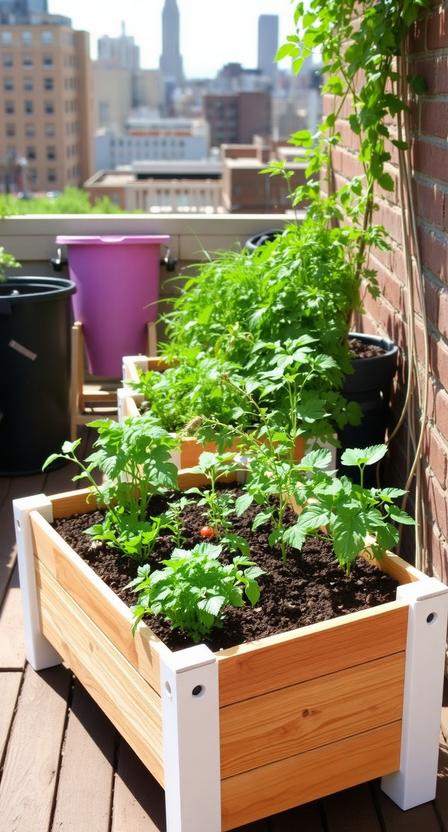
Portable raised boxes work well for patios, rooftops, or shared outdoor areas. They allow better soil control and reduce strain on your back. Many city gardeners use them for tomatoes, peppers, or leafy greens. Their mobility makes them renter-friendly and adaptable to seasonal sun changes. This idea bridges the gap between traditional and urban gardening.
7. Succulent and Cactus Corner

Succulents and cacti are perfect for busy city lifestyles. They require minimal watering and adapt well to indoor conditions. Grouping them together creates a clean, modern look. This setup works well in offices or small apartments. It’s proof that low-maintenance doesn’t have to mean boring.
6. Kitchen Scrap Regrow Station
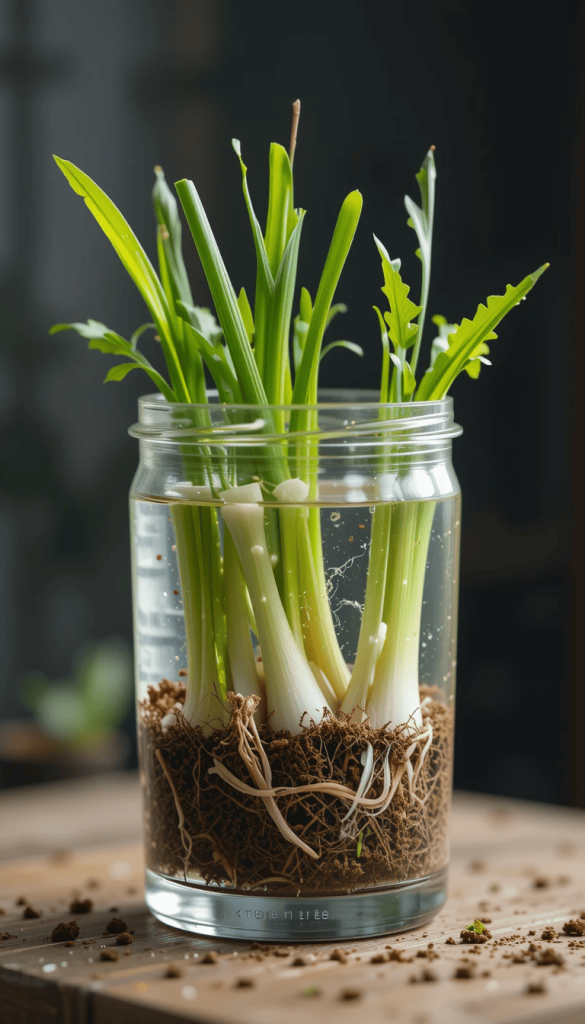
Regrowing vegetables from kitchen scraps is surprisingly effective. Green onions, lettuce bases, and celery can all be restarted in water. This method reduces food waste and adds a sense of accomplishment. It’s especially popular with beginners because results appear quickly. Seeing food regrow changes how people think about everyday waste.
5. Rooftop Container Garden

Rooftop container gardens maximize unused urban surfaces. With proper safety checks, rooftops can support pots filled with vegetables or flowers. Sun exposure is often better than at ground level. Many city gardeners report higher yields from rooftop setups. This idea turns overlooked space into a productive oasis.
4. Tiered Plant Stands
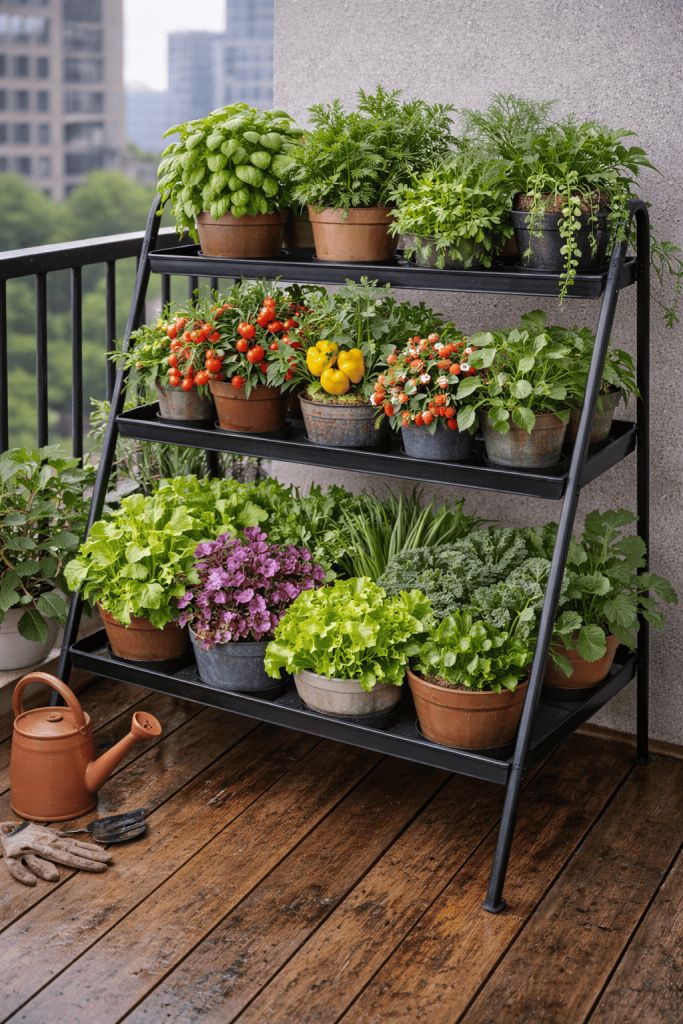
Tiered stands allow multiple plants to share one footprint while receiving equal light. They’re great for balconies or sunny indoor corners. This setup helps organize plants by watering and sunlight needs. It also makes maintenance easier and cleaner. Tiered designs are ideal for growing more without feeling cluttered.
3. Grow Bags for Vegetables

Grow bags are lightweight, breathable, and easy to store. They work well for potatoes, tomatoes, and root vegetables. Urban gardeners like them because they prevent overwatering and root rot. When the season ends, they fold flat for storage. It’s a flexible solution that fits changing city lifestyles.
2. Indoor Hydroponic Systems
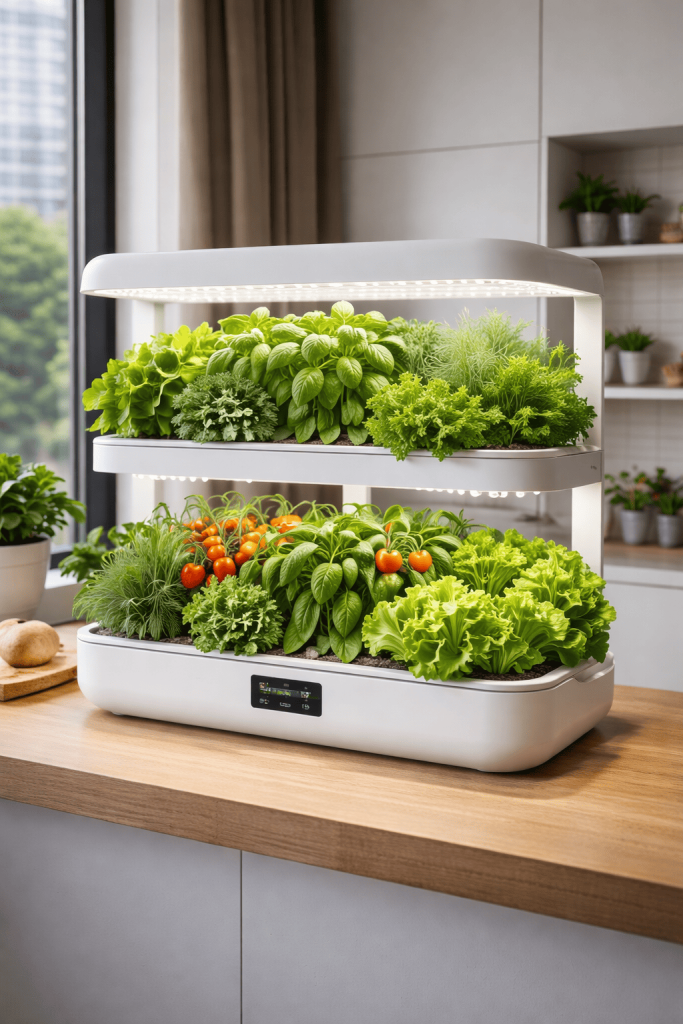
Hydroponic systems allow plants to grow without soil, using water and nutrients instead. They’re compact and designed for indoor use. Many systems include built-in lighting, making them suitable for low-light apartments. Urban professionals appreciate the clean, efficient setup. This method delivers consistent results with minimal mess.
1. Balcony Food Forest (Small-Scale)
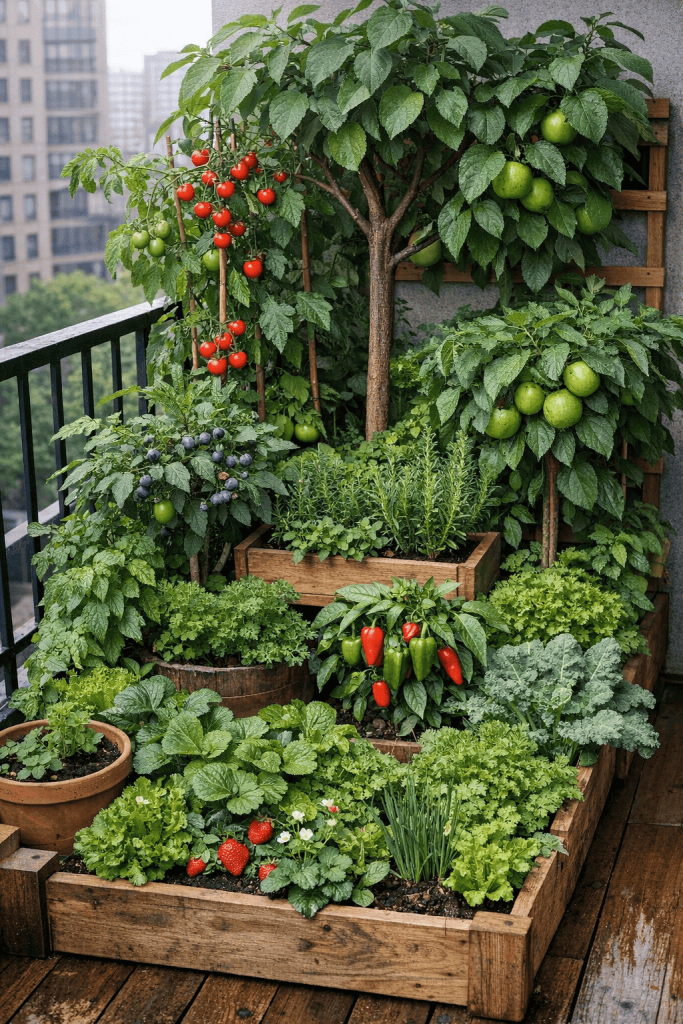
A small-scale balcony food forest layers plants vertically, mimicking natural ecosystems. Tall plants provide shade, mid-level plants fill space, and ground plants cover soil. This approach improves moisture retention and plant health. While it takes planning, the payoff is long-term productivity. It’s the most immersive way to bring nature into city life.
Conclusion
Urban gardening isn’t about having more space — it’s about using space intentionally. Even the smallest apartment can support plants that improve air quality, mood, and daily routines. By choosing ideas that fit your lifestyle and light conditions, you can build a garden that feels natural rather than forced. Start small, stay consistent, and let your city garden grow with you.