Victorian Dining Room Decor Ideas That Feel Rich, Warm, and Timeless
Last updated on February 12th, 2026 at 06:18 am

A Victorian dining room isn’t just about looking fancy—it’s about creating a space that feels layered, intentional, and welcoming. This is the kind of room where dinners stretch long into the night, conversations linger, and every detail feels thoughtfully chosen. If your dining room currently feels flat or unfinished, Victorian design offers structure, drama, and warmth without feeling cold or museum-like.
What makes Victorian dining rooms so appealing is their balance of elegance and comfort. Yes, there’s ornamentation and richness—but there’s also practicality, durability, and a lived-in feel. Below, we’ll walk through 15 step-by-step Victorian dining room decor ideas.
15. Start With Deep, Saturated Wall Colors

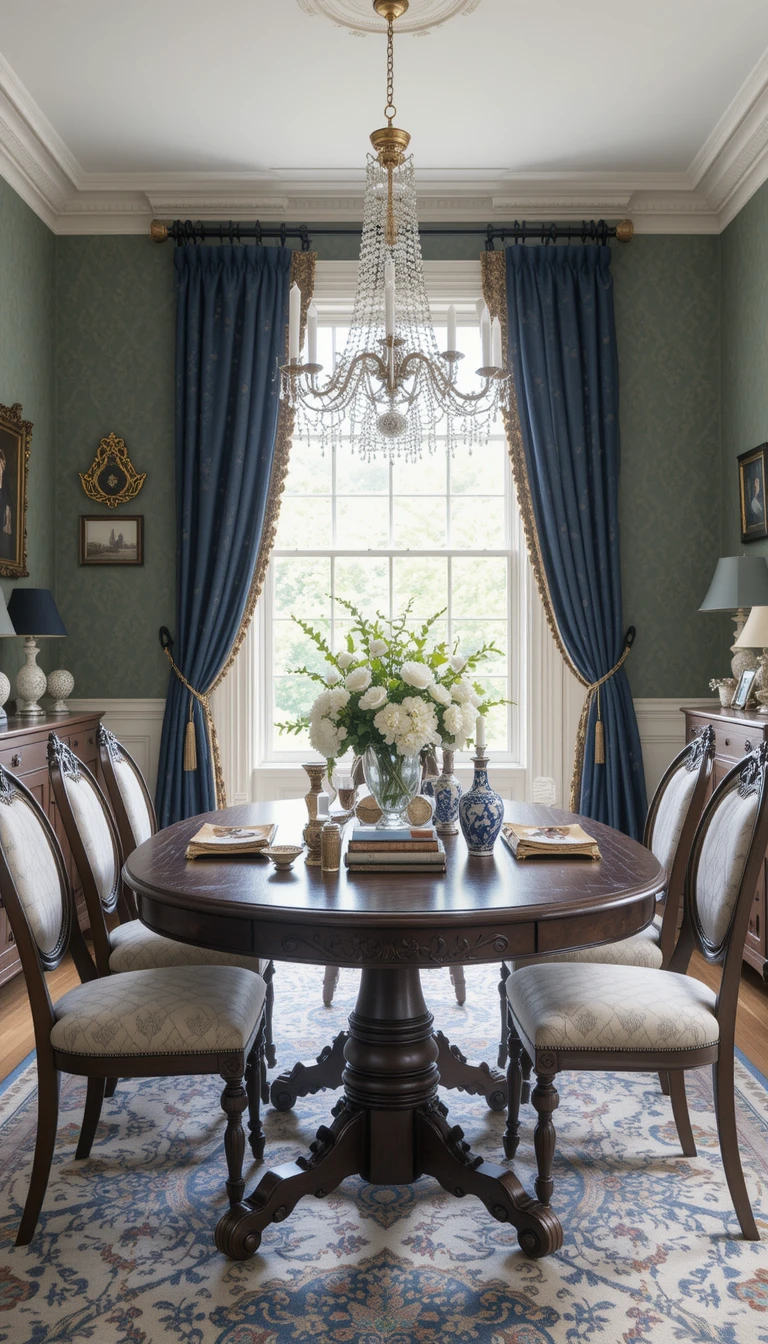
Victorian dining rooms almost always begin with rich wall colors. Deep burgundy, forest green, navy, or charcoal instantly ground the space. These tones create intimacy, which is ideal for dining rooms meant for gathering. Paint was historically used to signal status, so bold colors were intentional, not accidental. In real homes today, these shades help large dining rooms feel cozier and smaller ones feel intentional rather than dark.
14. Add Picture Rail or Crown Molding

Architectural detail is non-negotiable in Victorian design. Picture rails, crown molding, or ceiling medallions add depth and historical context. These features draw the eye upward, making the room feel taller and more refined. Even in newer homes, adding molding instantly upgrades the space. It’s one of the easiest ways to make a dining room feel authentically Victorian without changing furniture.
13. Choose a Solid Wood Dining Table

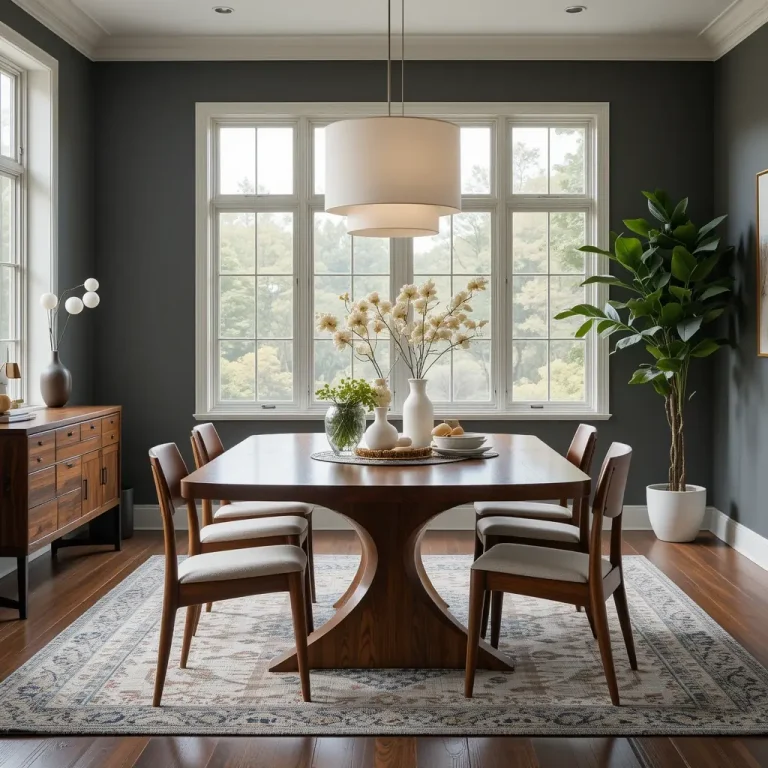
The dining table should feel substantial and permanent. Victorian tables were typically dark wood with carved legs or heavy bases. This anchors the room and sets the tone for everything else. Lightweight or minimalist tables tend to feel out of place here. A sturdy table also supports the idea that this room is meant for real meals, not just display.
12. Layer With a Patterned Rug

Victorian rooms rarely left floors bare. A patterned rug—Persian, Oriental, or floral—adds warmth and texture. The rug helps visually ground the table and chairs while softening the formality of wood floors. Patterns also disguise wear, which is practical for dining spaces. In modern homes, this keeps the room from feeling too stiff or precious.
11. Bring in High-Back or Upholstered Chairs

Dining chairs in Victorian spaces were designed for long, comfortable meals. High backs, carved frames, and upholstered seats were common. Fabric adds softness and contrast against dark wood. Even mixing upholstered head chairs with simpler side chairs works beautifully. This approach keeps the room elegant but approachable.
10. Install a Statement Chandelier

Lighting is where Victorian dining rooms really shine. A dramatic chandelier—crystal, brass, or bronze—creates a focal point above the table. Historically, lighting signaled wealth and hospitality. Today, it sets mood and scale. The key is choosing something proportionate so it feels intentional, not overpowering.
9. Use Heavy Curtains or Drapery Panels

Victorian homes embraced textiles everywhere, especially at windows. Heavy drapes in velvet, damask, or brocade add insulation, drama, and softness. Even if you don’t need privacy, panels frame the windows beautifully. In real life, this makes dining rooms feel warmer and more intimate, especially at night.
8. Incorporate a Sideboard or Buffet

A dining room without storage feels unfinished. Victorian dining rooms almost always included a sideboard or buffet for serving and display. This piece adds visual weight and functionality. It’s perfect for storing linens, serving dishes, or seasonal decor. In modern homes, it keeps clutter off the table while reinforcing the room’s formality.
7. Display China, Silver, or Decorative Plates

Victorians loved to show what they owned, especially in dining spaces. Open shelving, plate racks, or glass-front cabinets were common. Displaying china or silver adds authenticity and personality. Even everyday dishes can become decor when arranged thoughtfully. This makes the room feel lived-in rather than staged.
6. Layer Artwork and Frames on the Walls

Blank walls don’t belong in Victorian design. Instead, use gallery-style arrangements with ornate frames. Portraits, landscapes, or botanical prints all fit the era. The goal isn’t symmetry—it’s balance. This layered look adds depth and storytelling, which is what makes Victorian rooms feel collected over time.
5. Mix Wood Tones Thoughtfully

Victorian rooms weren’t matchy-matchy. Mixing wood tones—dark table, medium sideboard, lighter chairs—adds richness. The key is keeping undertones consistent so the room feels cohesive. This approach also makes sourcing furniture easier, especially with vintage or secondhand pieces. It gives the room authenticity rather than a showroom feel.
4. Add Table Linens and Layered Settings

Formal dining was serious business in Victorian homes. Tablecloths, runners, and cloth napkins were standard. Layered table settings instantly elevate the space, even for everyday meals. Linens soften the hard surfaces and add visual interest. In modern life, this simple step makes dinners feel intentional instead of rushed.
3. Use Warm Metallic Accents

Brass, bronze, and antique gold were heavily used in Victorian interiors. Warm metallic accents show up in lighting, frames, hardware, and serving pieces. These metals reflect light softly and complement dark colors beautifully. Avoid overly shiny finishes; patina is part of the charm. This detail adds warmth without feeling flashy.
2. Incorporate Wallpaper or Wall Panels

Wallpaper was a Victorian staple, especially in dining rooms. Floral, damask, or patterned designs add instant character. If wallpaper feels like too much, wainscoting or wall panels achieve a similar effect. These treatments protect walls while adding texture. In real homes, they help dining rooms feel complete and intentional.
1. Finish With Personal, Collected Details

The final step is what makes the room feel real. Victorian dining rooms reflected the people who lived in them. Personal items—heirlooms, books, candlesticks, or collected objects—bring soul to the space. These details tell a story and prevent the room from feeling staged. This is what transforms a decorated room into a lived-in one.
Conclusion
Victorian dining room decor works because it values depth, comfort, and craftsmanship. When you build the room step by step—starting with structure, layering in furniture, and finishing with personal details—you get a space that feels timeless rather than trendy. The goal isn’t perfection; it’s warmth and presence. When done right, a Victorian dining room doesn’t just look beautiful—it invites people to stay a little longer.