

Contemporary Wood Cabin Interior Design: 18 Warm, Modern Takes That Actually Feel Livable
Last updated on January 3rd, 2026 at 05:06 am
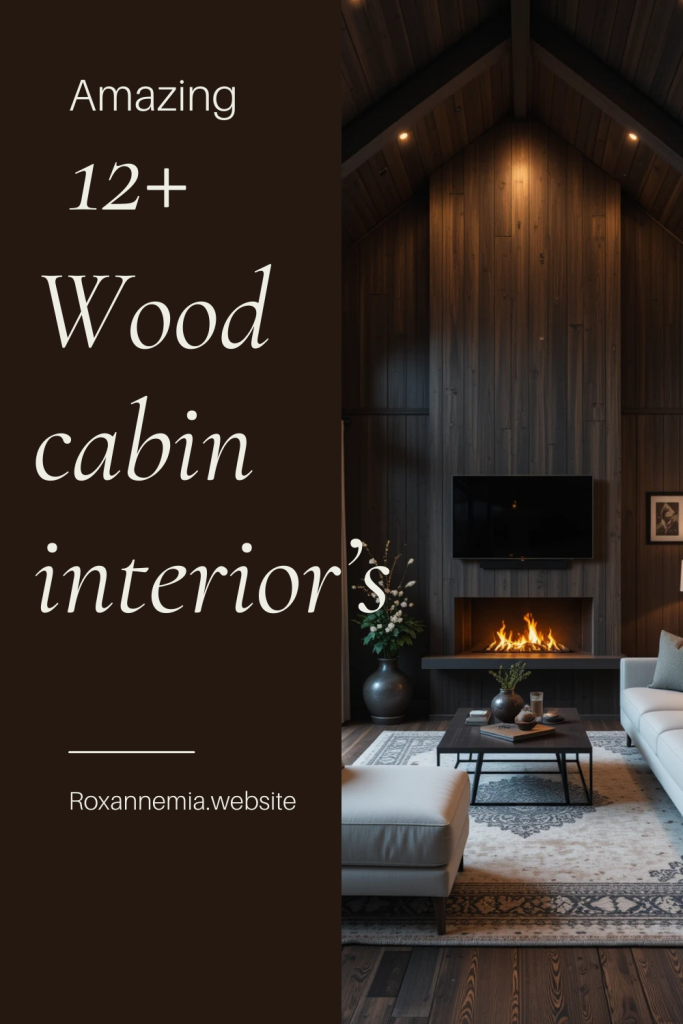
Wood cabins have grown up—and in the best way possible. Today’s contemporary wood cabin interiors aren’t about roughing it or leaning fully rustic; they’re about comfort, intention, and modern living wrapped in natural warmth. If you love wood but still crave clean lines, light-filled spaces, and a sense of calm, this style hits the sweet spot.
What makes contemporary cabin design so appealing is how effortlessly it blends nature with modern life. These interiors feel grounded without being heavy, cozy without being cluttered, and stylish without trying too hard. Below are 18 thoughtfully designed examples that show how wood can feel fresh, elevated, and deeply inviting.
Contemporary Wood Cabin Interior Ideas
Warm Minimalism with Natural Wood Walls

This style leans on clean lines and uninterrupted wood paneling to create a calm, grounded interior. Light-toned woods like oak or birch keep the space from feeling dark or enclosed. Furniture is minimal but purposeful, allowing the texture of the wood to do most of the talking. Large windows often replace heavy decor, pulling the outdoors inside. The result is a cabin that feels modern, breathable, and emotionally calming.
Open-Concept Living with Exposed Beams
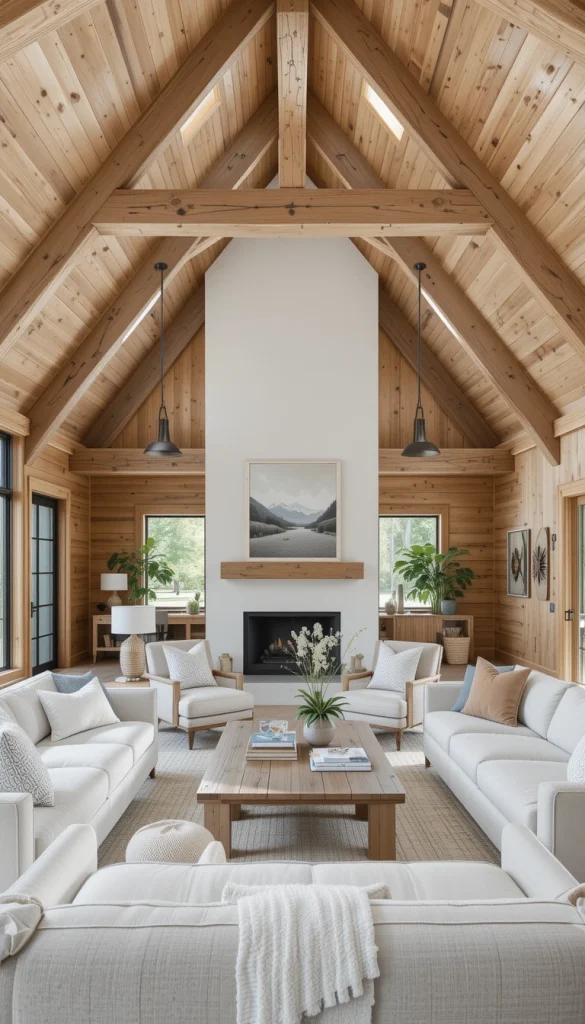
Exposed beams instantly give a cabin architectural character while still feeling relaxed. In contemporary interiors, these beams are often paired with open layouts and neutral furnishings to avoid visual heaviness. The openness allows light to travel freely, making the wood feel airy rather than dense. This approach works especially well in family cabins where shared spaces matter. It balances structure with flexibility, which is key to modern cabin living.
Scandinavian-Inspired Wood Cabins
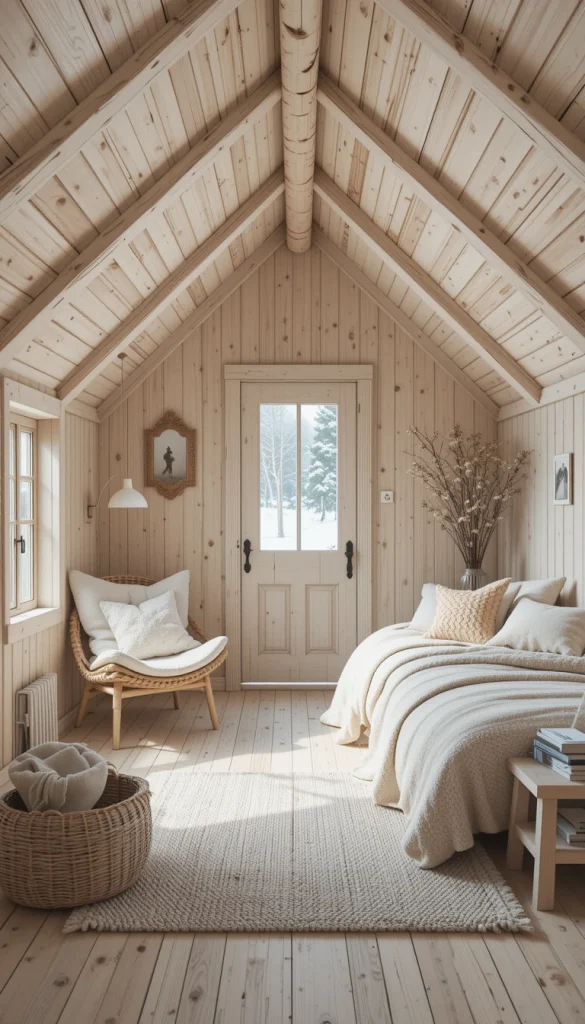
Scandi-style cabins focus on light wood, soft textures, and functional beauty. White walls paired with pale timber floors prevent the space from feeling too enclosed. Natural fabrics like wool and linen soften the interior without clutter. The design feels intentional but never cold, which is why it’s so popular in modern cabins. It’s perfect for anyone who wants simplicity with warmth.
Dark Wood with Soft Modern Contrast

Dark-stained wood creates drama, but contemporary design keeps it from feeling overwhelming. Pairing dark wood walls with light upholstery, warm lighting, and clean-lined furniture creates balance. This style feels moody in the best way—ideal for mountain or forest cabins. Strategic lighting makes the wood glow rather than absorb light. It’s a great example of how contrast elevates cabin interiors.
Floor-to-Ceiling Windows and Wood Frames
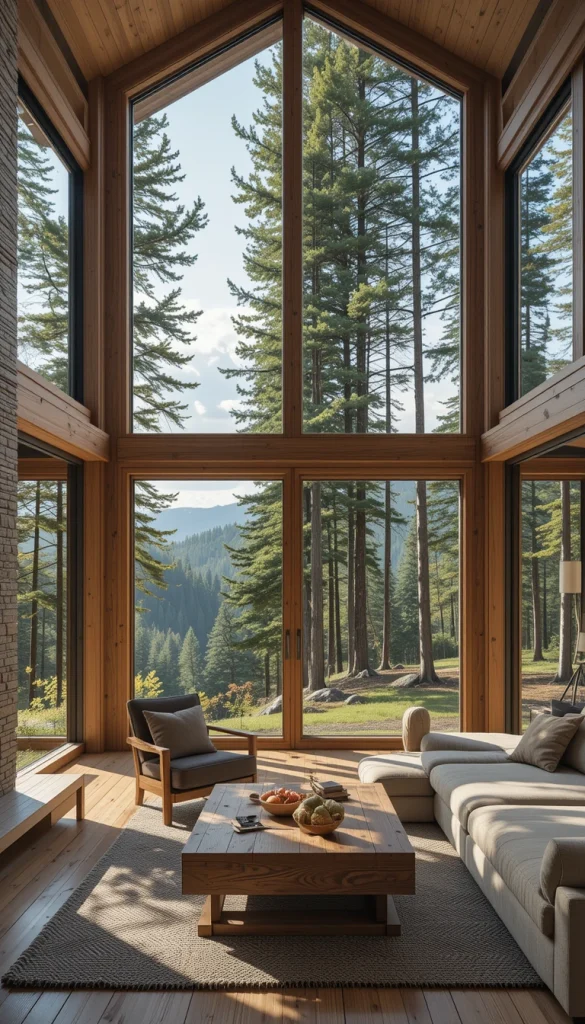
When a cabin is surrounded by nature, the interior should honor that view. Contemporary designs often use floor-to-ceiling windows framed in wood to blur the line between indoors and outdoors. The wood framing keeps the space warm and grounded, even with large expanses of glass. This setup reduces the need for heavy decor. Nature becomes the focal point, which is both calming and timeless.
Sleek Cabin Kitchens with Wood Cabinetry
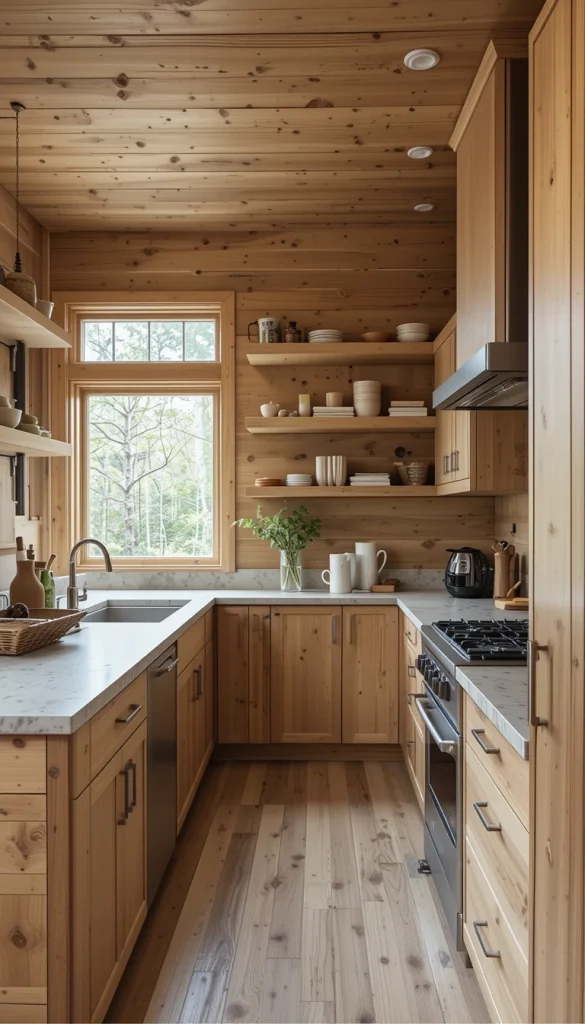
Modern cabin kitchens often feature flat-panel wood cabinets with minimal hardware. The wood adds warmth while stone or concrete countertops introduce a contemporary edge. Open shelving is sometimes used to keep the space visually light. This kitchen style feels practical and social, perfect for gatherings. It proves that wood can feel modern without losing its soul.
Mixed Wood Tones Done Right
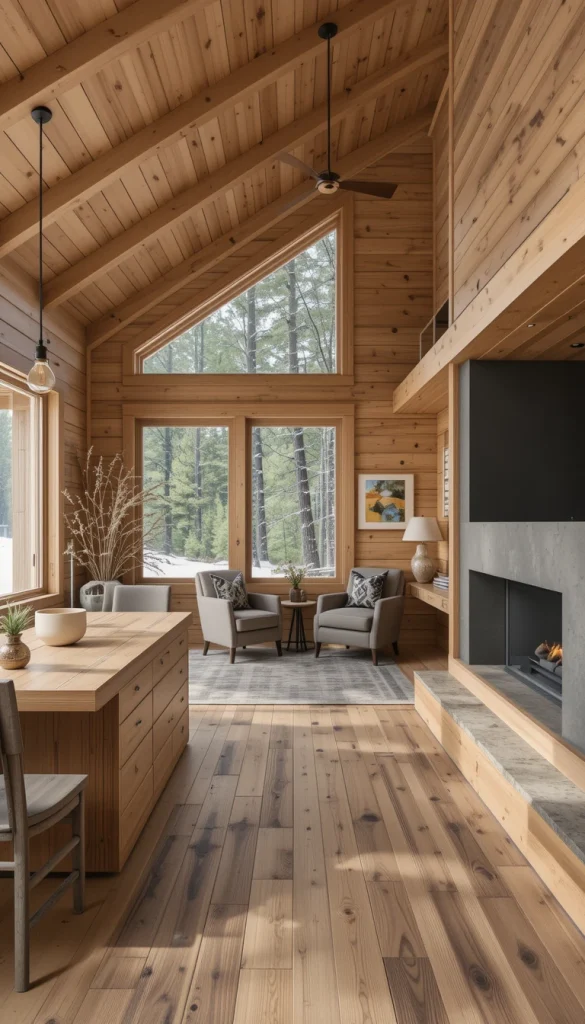
Using multiple wood tones can feel risky, but contemporary cabins handle it beautifully. The key is intentional contrast, such as warm floors paired with slightly cooler wall paneling. Keeping finishes matte helps everything feel cohesive. This approach adds depth and visual interest. It also makes the space feel layered rather than one-note.
Modern Cabin Bedrooms with Wood Accents

In bedrooms, wood is often used more selectively for a calmer feel. Wood accent walls or headboards anchor the space without overpowering it. Soft bedding and neutral colors keep things restful. Lighting is warm and understated, supporting a relaxed mood. These bedrooms feel like retreats rather than showpieces.
Concrete and Wood Pairings
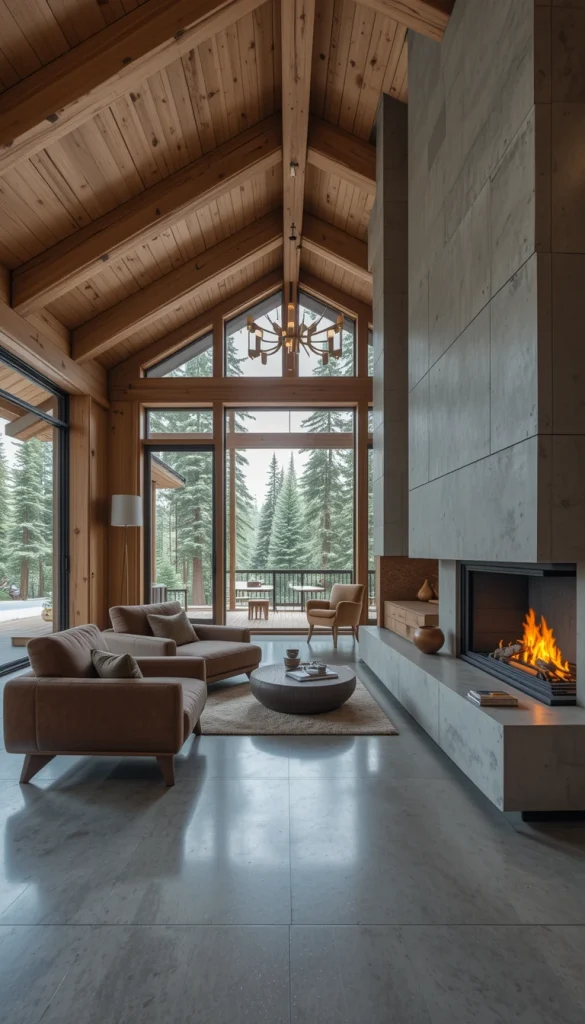
Concrete floors or fireplaces paired with wood walls create a striking modern-cabin contrast. The coolness of concrete balances the warmth of wood, making the space feel intentional and architectural. This combo is especially popular in contemporary mountain cabins. It’s practical, durable, and visually strong. The mix prevents the cabin from feeling overly traditional.
Built-In Seating and Wood Details

Built-ins are a hallmark of smart contemporary design. Wood benches, window seats, or storage units feel custom and grounded. They maximize space while keeping visual clutter low, which is crucial in cabins. Cushions and throws soften the look and improve comfort. This approach blends practicality with design-forward thinking.
Wood Ceilings That Add Instant Warmth

A wood ceiling can transform a modern cabin interior instantly. Even when walls are neutral, wood ceilings add depth and warmth. This works especially well in spaces with high ceilings. The eye is drawn upward, making the room feel expansive. It’s a subtle move with a big emotional payoff.
Neutral Palettes with Wood as the Star

Contemporary cabins often stick to soft neutrals like beige, gray, and warm white. This allows the wood grain to stand out naturally. The space feels calm, cohesive, and timeless. It’s also easy to update seasonally with textiles. This approach is ideal for long-term living, not just weekend stays.
Modern Fireplaces Framed in Wood
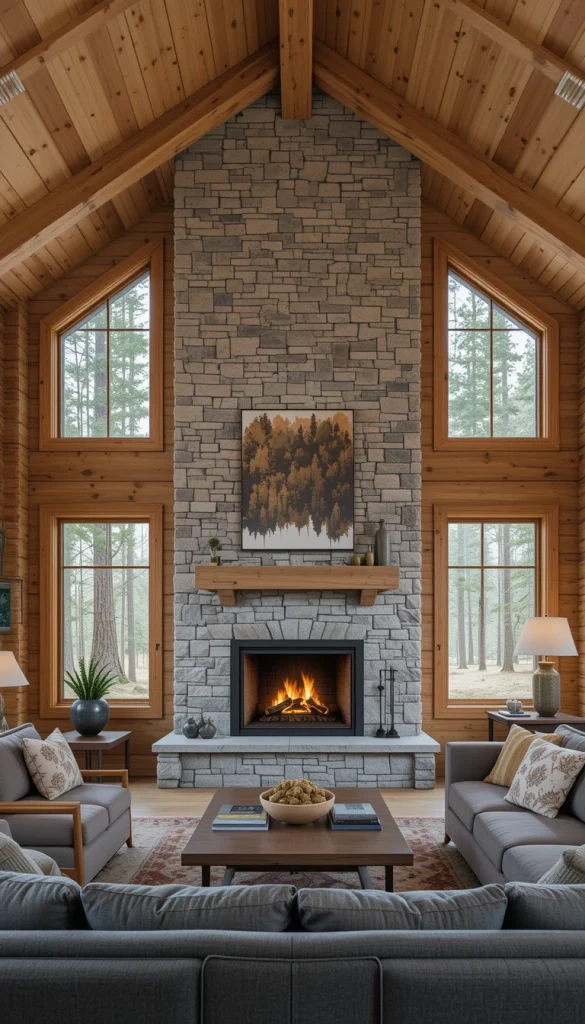
Fireplaces remain a focal point, but contemporary cabins simplify the design. Clean-lined fireplaces framed with wood feel modern yet cozy. The wood softens the structure and connects it to the rest of the interior. This design encourages gathering without feeling rustic. It’s comfort with intention.
Wood and Black Accents for a Modern Edge
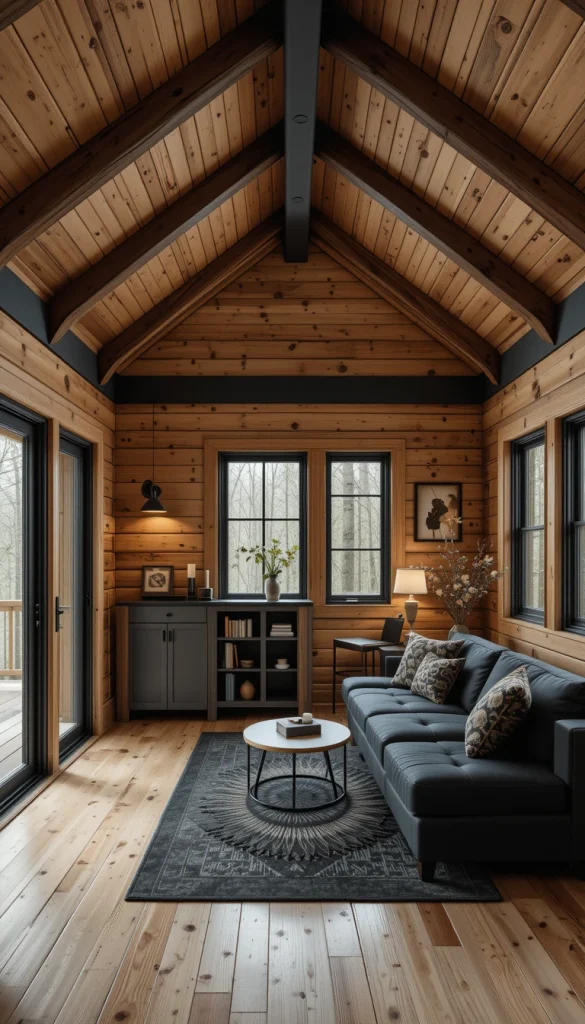
Black accents—like lighting, railings, or window frames—add sharpness to wood interiors. This contrast keeps the cabin from feeling too soft or traditional. The black elements ground the space visually. When used sparingly, they feel sophisticated rather than harsh. It’s a favorite in contemporary cabin design for good reason.
Compact Cabins with Smart Wood Use
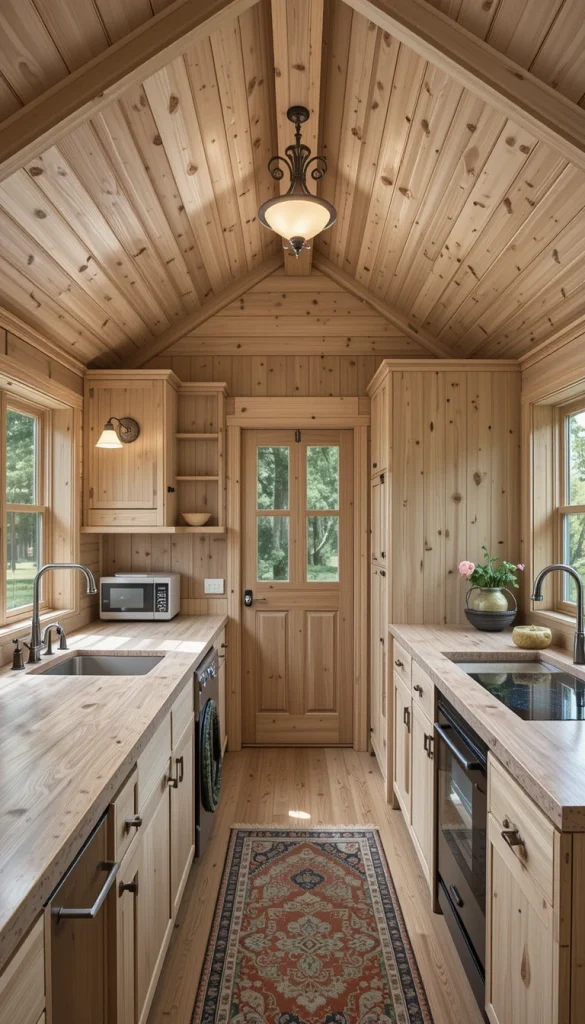
Smaller cabins benefit greatly from thoughtful wood placement. Instead of covering every surface, designers focus on key wood features like ceilings or built-ins. This keeps the space from feeling cramped. Light finishes and good lighting are essential. The result feels efficient, not restrictive.
Lofted Cabins with Wood Railings
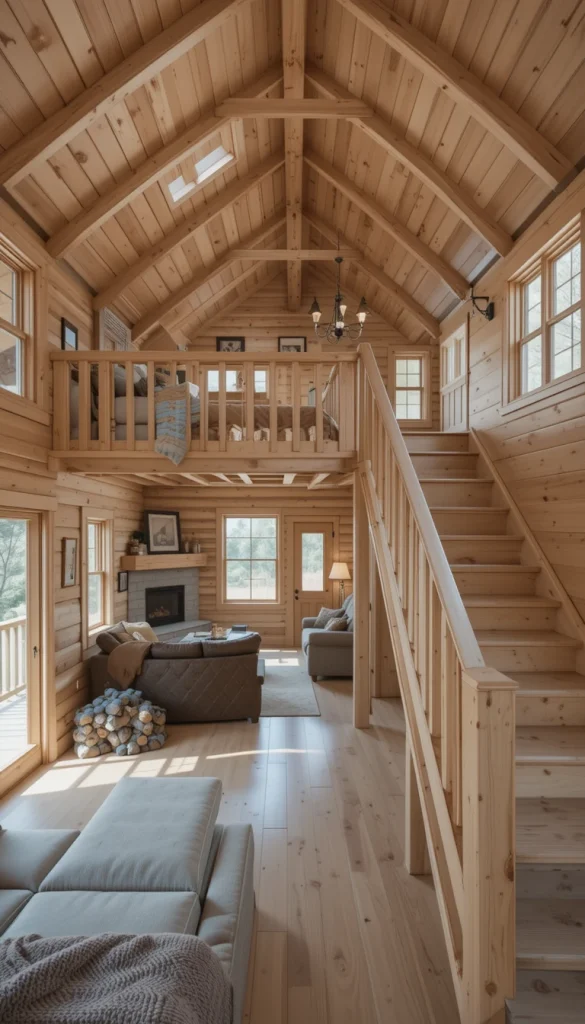
Lofts add architectural interest, especially in modern cabins. Wood railings or staircases maintain warmth while keeping the design cohesive. Open railings help light flow between levels. This setup feels social and spacious. It’s ideal for cabins that host guests.
Textured Wood for Visual Interest
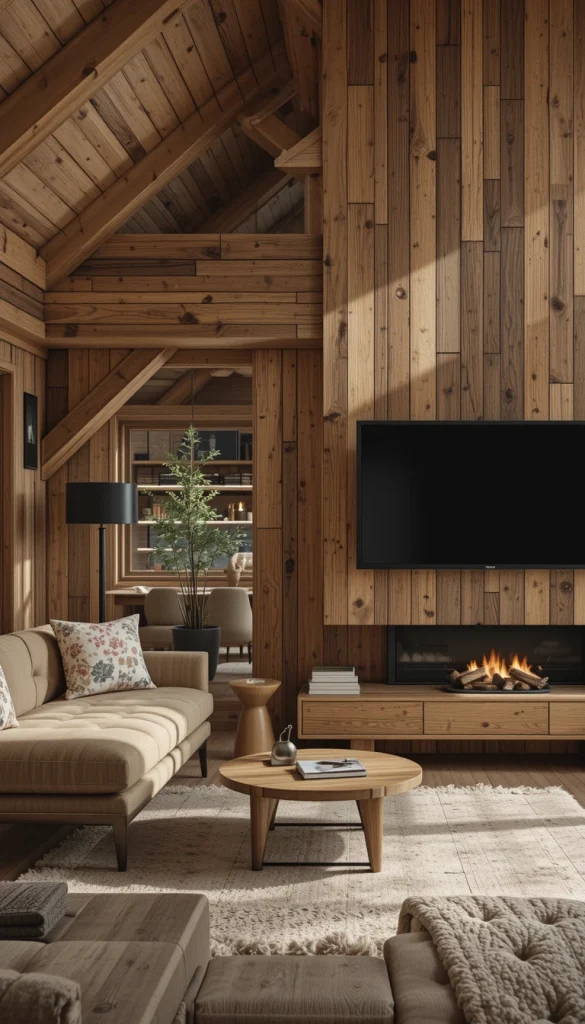
Not all wood needs to be smooth and polished. Textured or reclaimed wood adds character without going full rustic. When paired with modern furniture, it feels intentional and curated. This works well in feature walls or accent areas. It adds soul without sacrificing style.
Contemporary Cabins That Feel Like Home

The best contemporary wood cabins don’t feel staged. They’re designed for real life—relaxing, gathering, and slowing down. Wood is used to support comfort, not dominate it. Personal touches make the space feel lived-in. That balance is what makes these interiors truly successful.
Conclusion
Contemporary wood cabin interior design is all about balance—warmth meets modernity, nature meets intention. These 18 examples show that wood doesn’t have to feel heavy or outdated to be cozy. With smart layouts, thoughtful materials, and a focus on livability, modern cabins can feel both timeless and current. When done right, they don’t just look good—they feel right.


