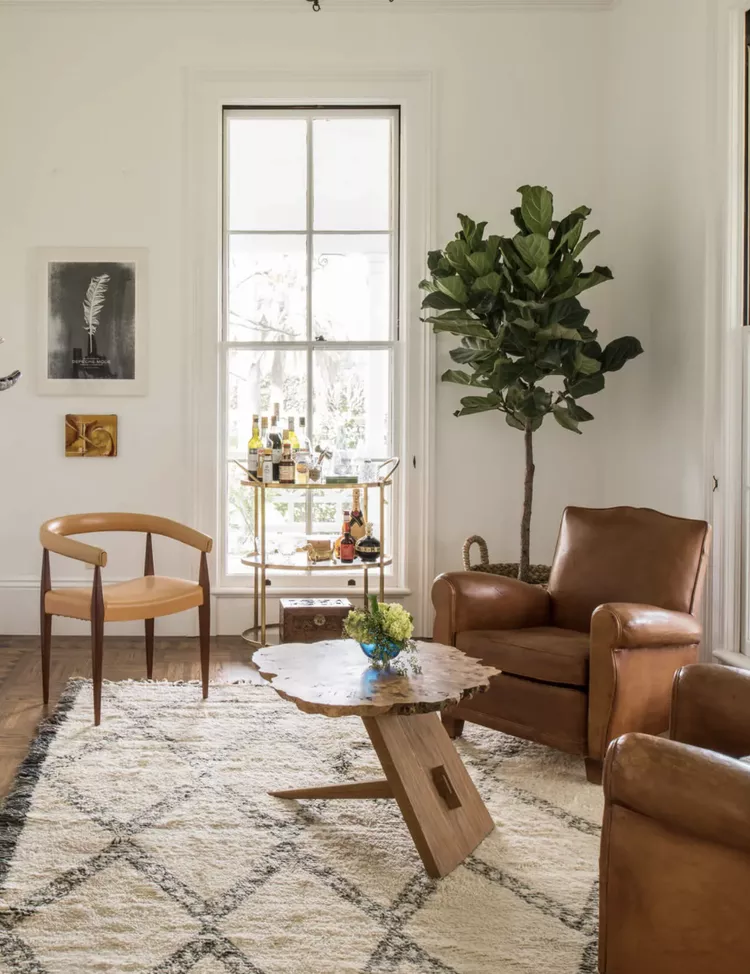
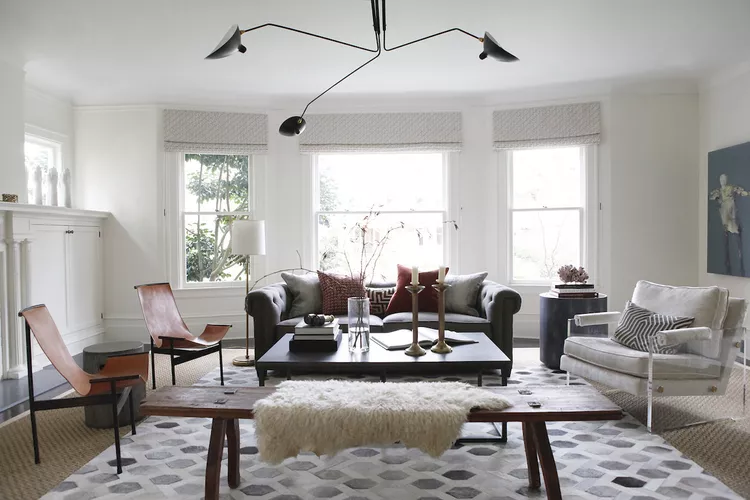
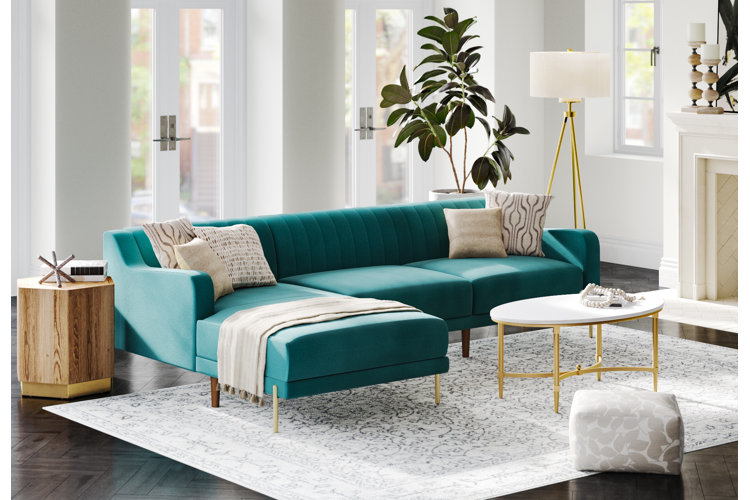
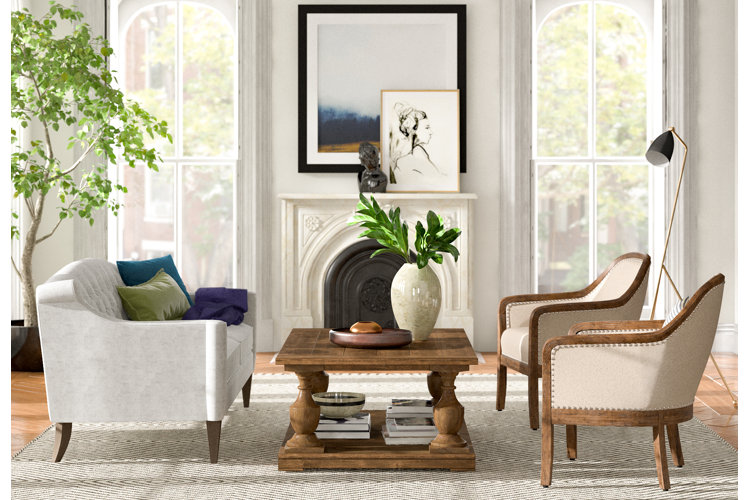
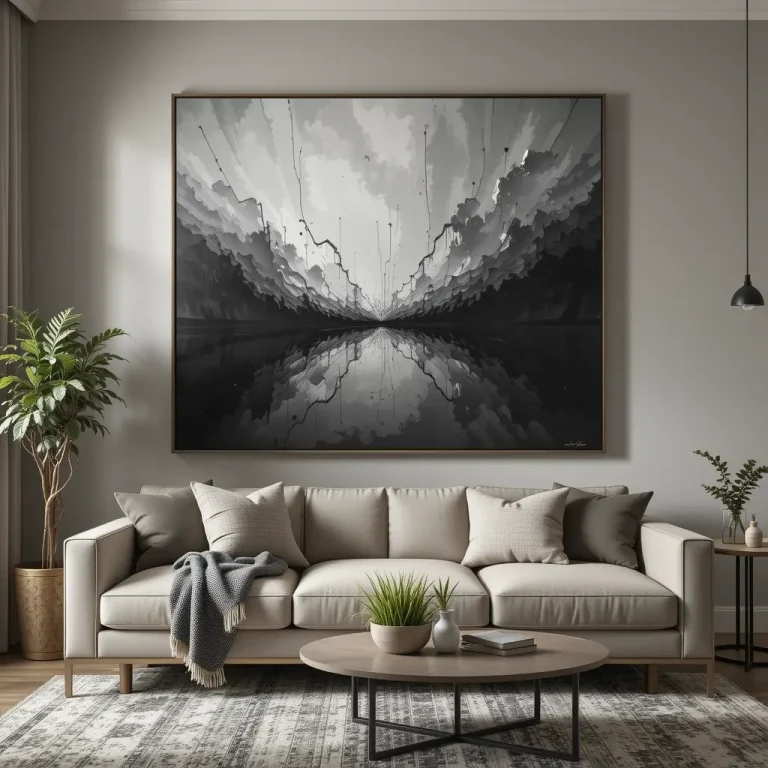
Mastering Transitional Living Room Decor with Effortless Elegance: 50+ ideas
Last updated on December 3rd, 2025 at 09:18 am
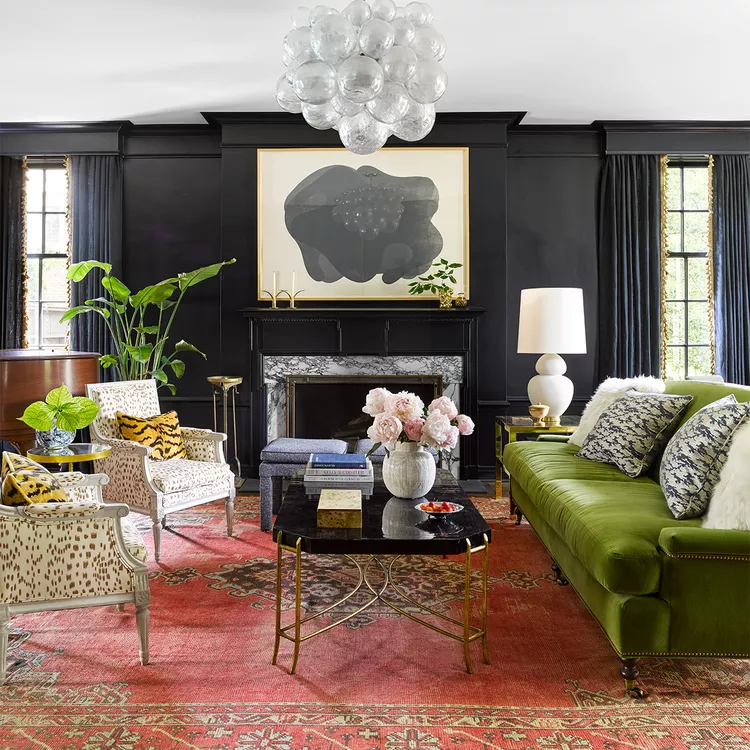
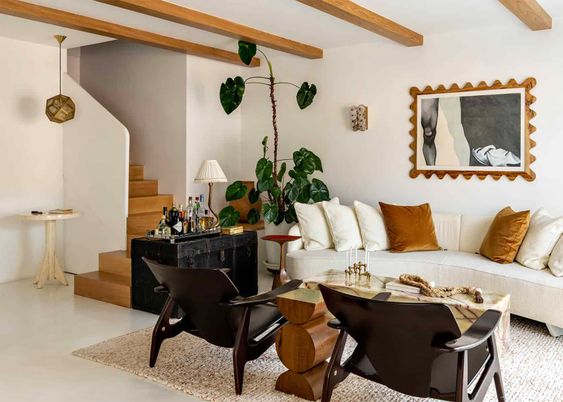
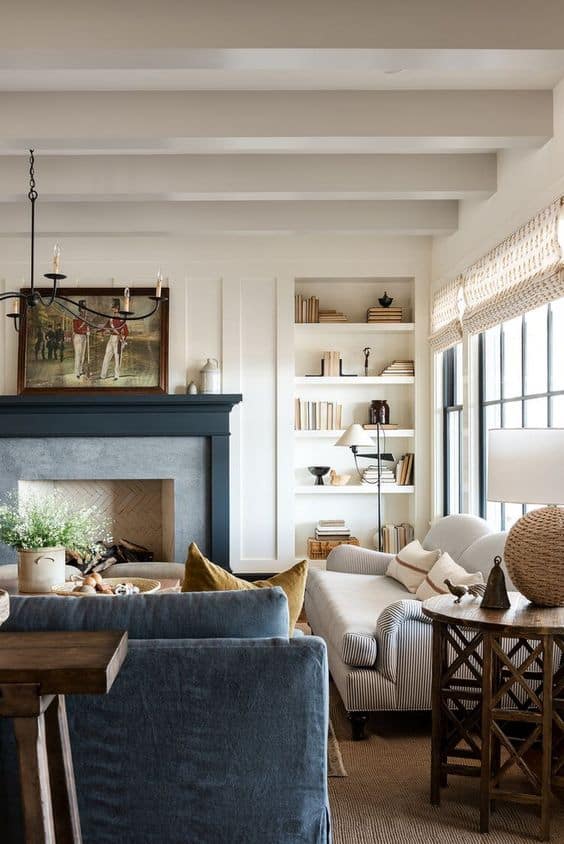
Transitional living rooms are just those perfect combinations of comfort and sophistication. The style merges traditional elements with a modern touch to provide a room that is timeless, yet fresh. I think what I like most about this style is the versatility: it’s great for those who appreciate classic designs but want to avoid anything too ornate or stuffy
These spaces cohere into a recognizable whole through neutral color palettes and judiciously chosen furniture pieces marrying the finest elements of traditional elegance with clean, contemporary lines. What really makes me appreciate this approach to design is that spaces end up feeling both timeless and fresh without over-investing in one or the other side of that style spectrum.
The magic is in the balanced mix of curvaceous and straight lines, plush upholstered pieces combined with sleek metal or glass accents.
What really makes transitional spaces sing is their versatility in color and texture. Other than bold, dramatic statements, these rooms usually wear a sophisticated neutral palette-think warm greys, soft beiges, and crisp whites-punctuated by carefully chosen accent pieces.
That’s a soothing backdrop that is so easy to update as your taste evolves, yet it still has that pulled-together feel that makes transitional spaces so appealing.
The best part about transitional living rooms is how livable they are. While purely modern spaces at times can feel a little cold, or traditional rooms may give one the feeling of stuffiness, transitional designs strike that perfect balance of polish and comfort. Equally fitting for hosting elegant dinner parties or enjoying a Sunday afternoon curled up with a good book, transitional designs prove to be quite versatile.
The key is in choosing pieces that marry function with refined style-like a classic English roll-arm sofa updated in a sleek linen fabric, or a traditional side table reimagined with clean lines and a contemporary finish.
Tips to creating an elegant transitional style living room design
Choose a Neutral Color Palette
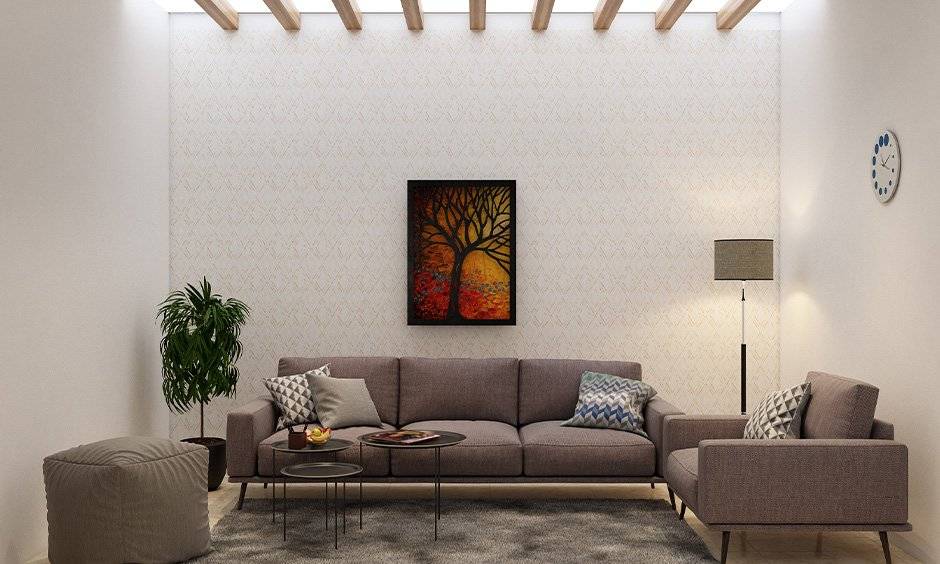
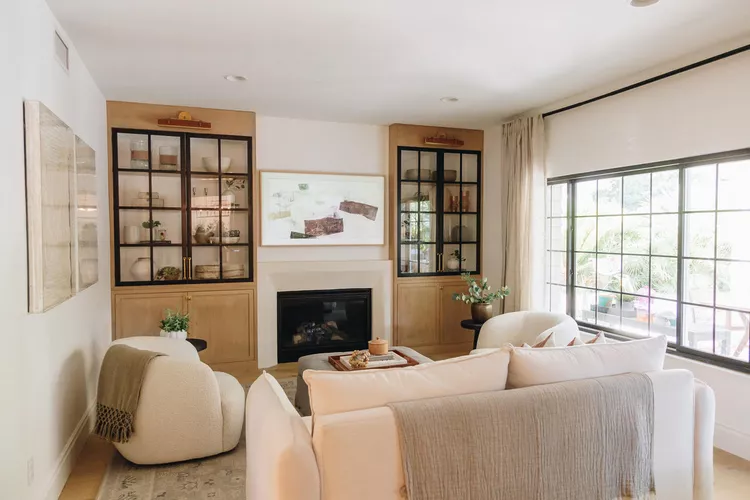
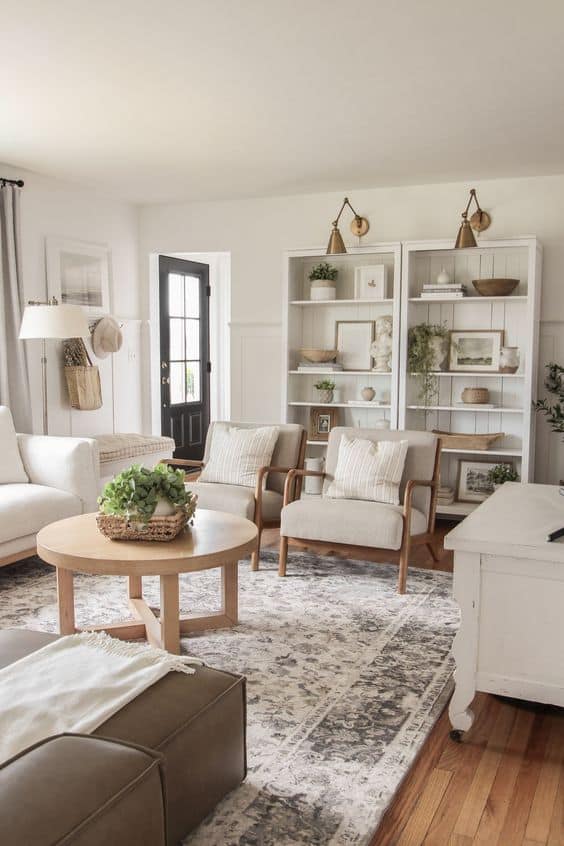
Start with a foundation of neutral tones like beige, gray, taupe, or cream. These colors create a calming backdrop and allow furniture and decor elements to shine. Add subtle pops of color through accent pillows, rugs, or artwork.
2. Mix Materials for Texture
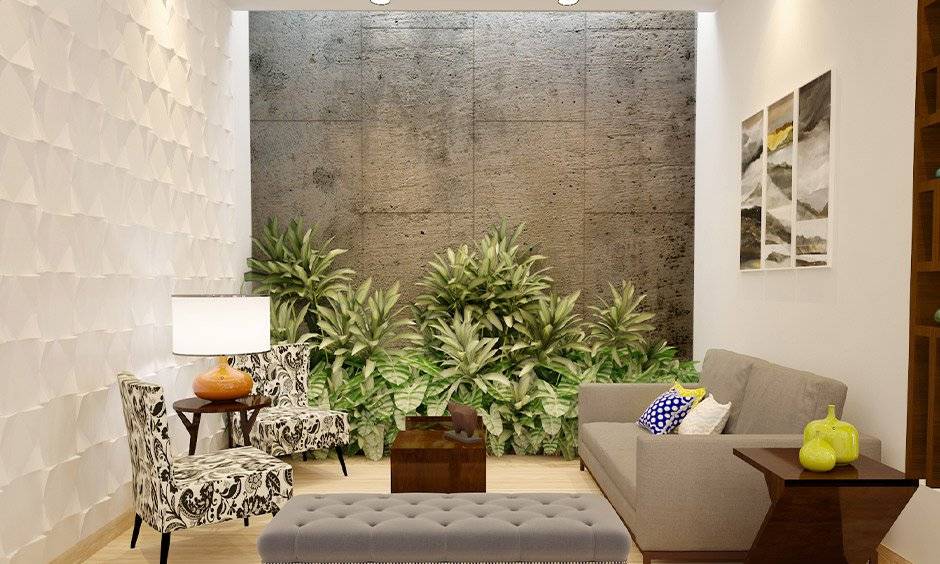
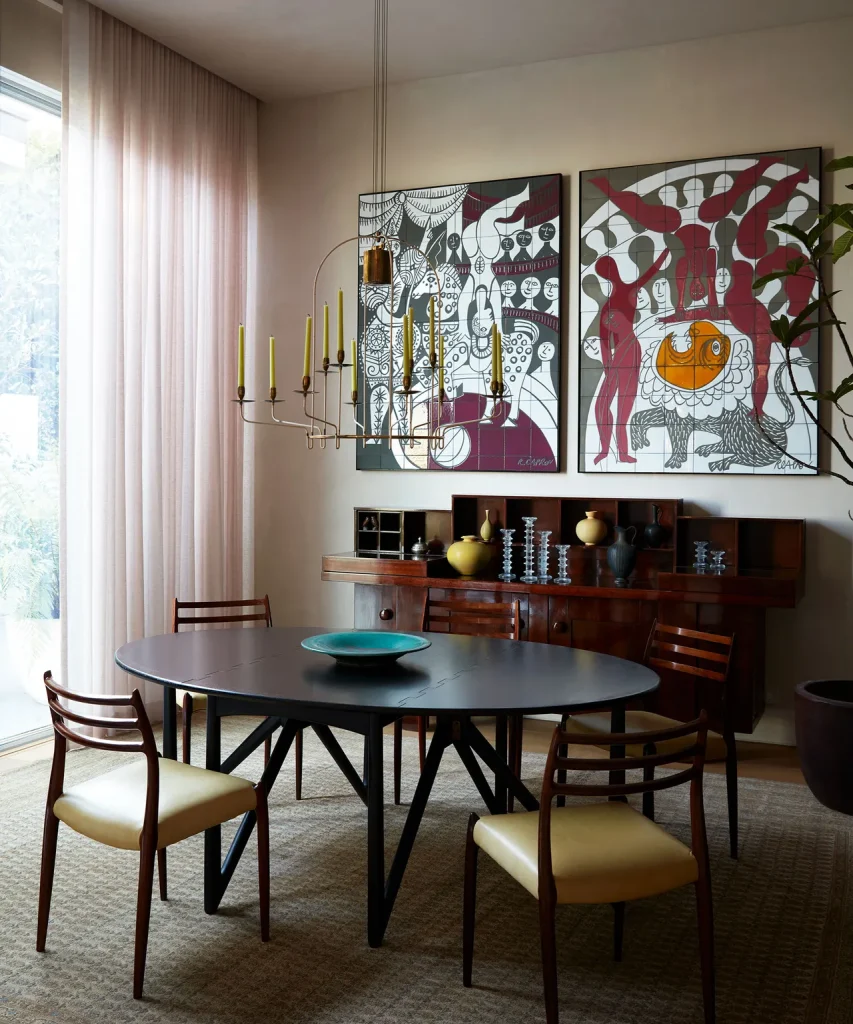
Combine different materials to add depth and interest. For instance, pair a plush upholstered sofa with a sleek glass coffee table, or a wooden sideboard with metallic accents.
3. Focus on Symmetry
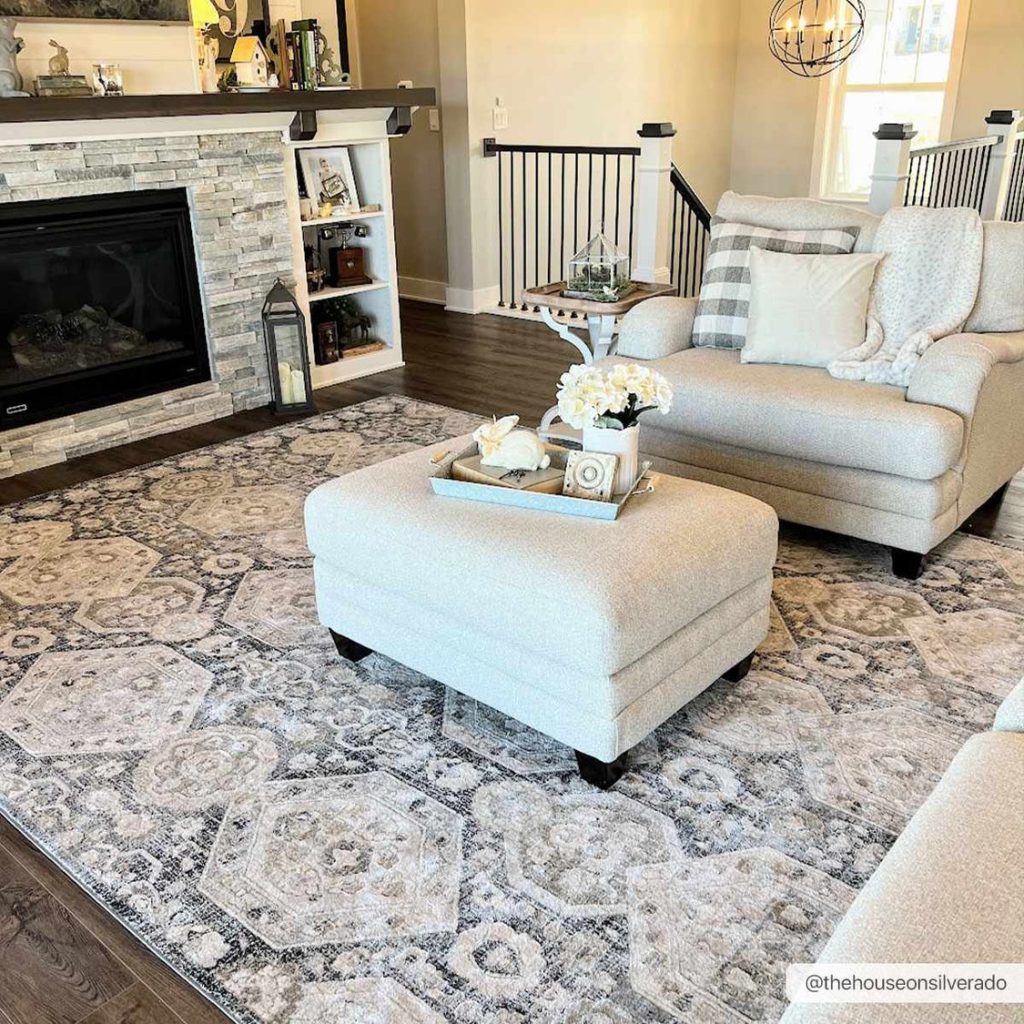
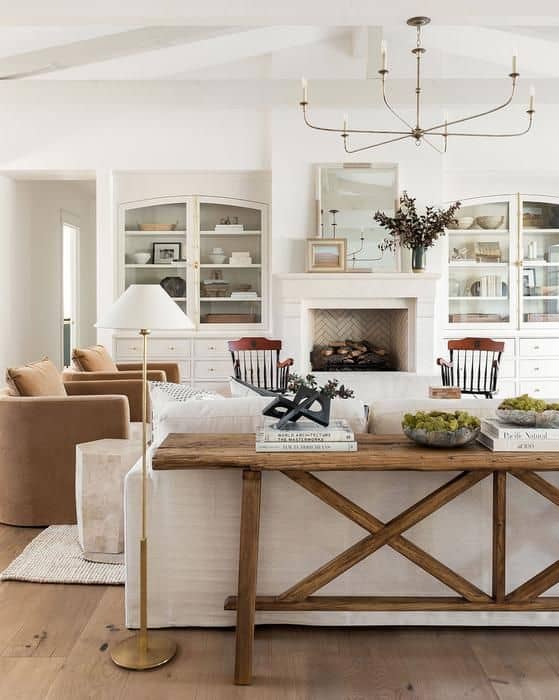
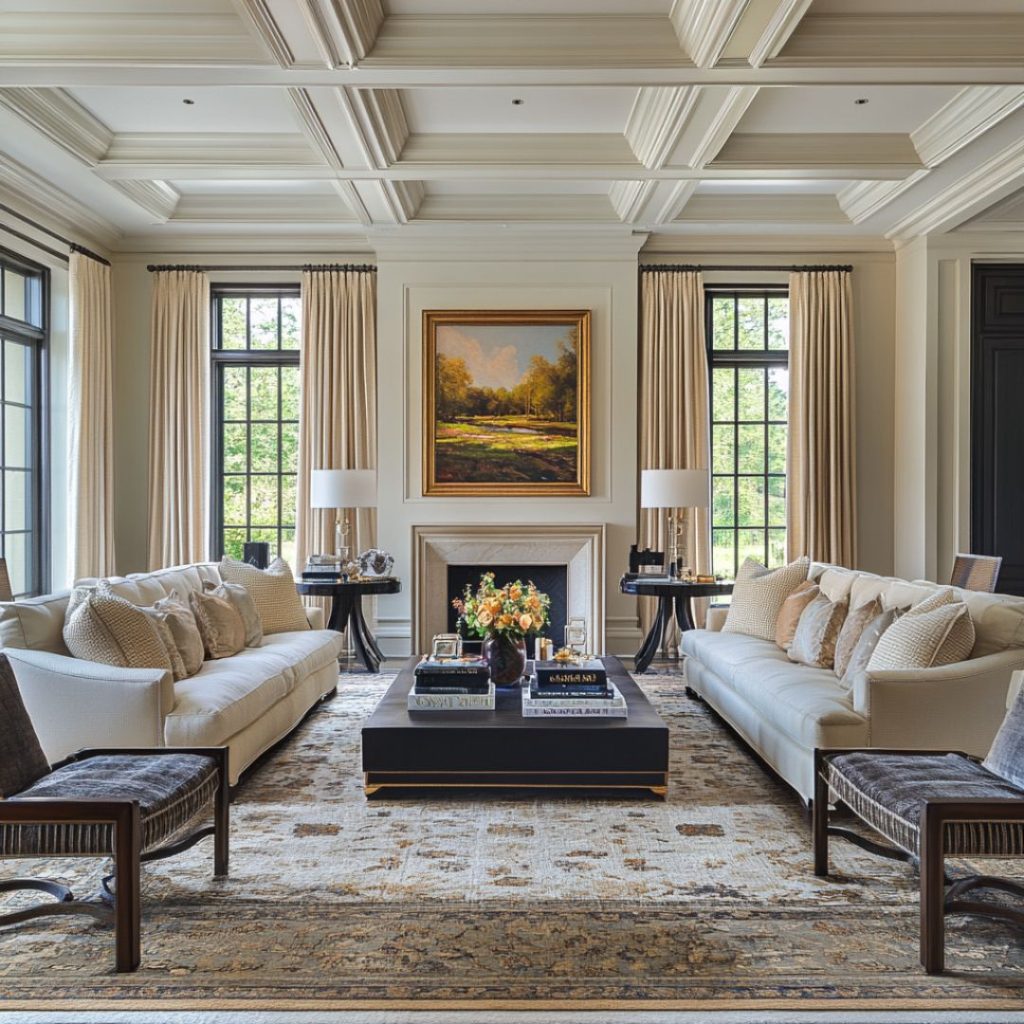
Transitional design often emphasizes balance and order. Arrange furniture symmetrically around a focal point, such as a fireplace or coffee table, to create a visually appealing layout.
4. Select Timeless Furniture
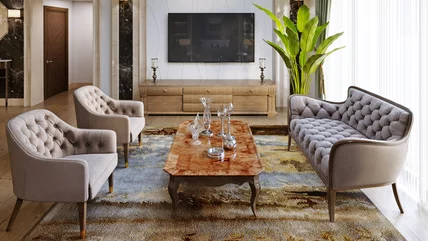
Look for pieces with clean lines and minimal ornamentation. Blend traditional shapes (like a tufted armchair) with contemporary designs (such as a streamlined sofa) for a cohesive look.
5. Layer Textiles Thoughtfully
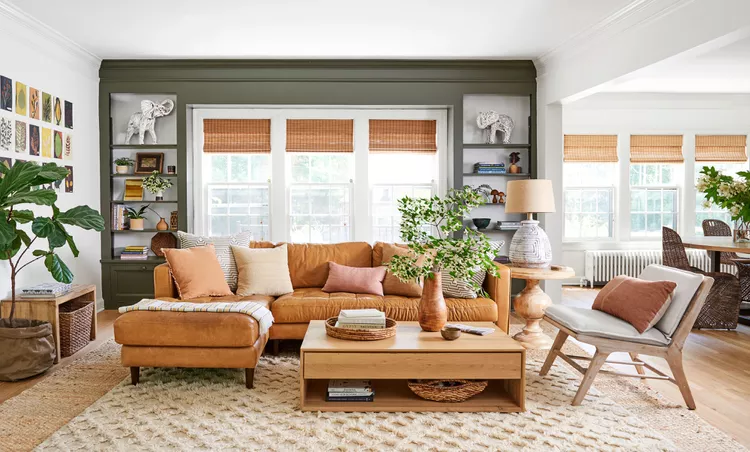
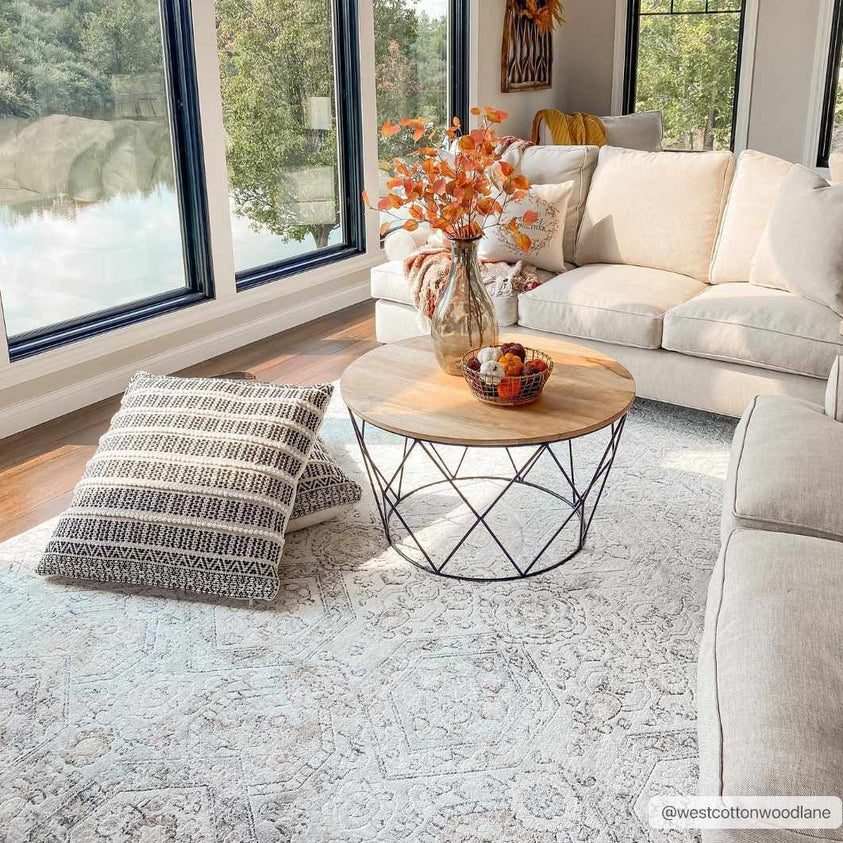
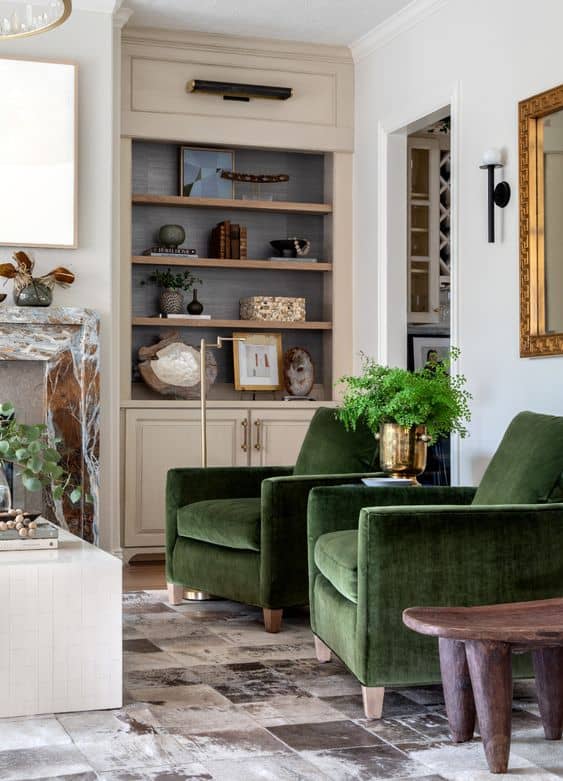
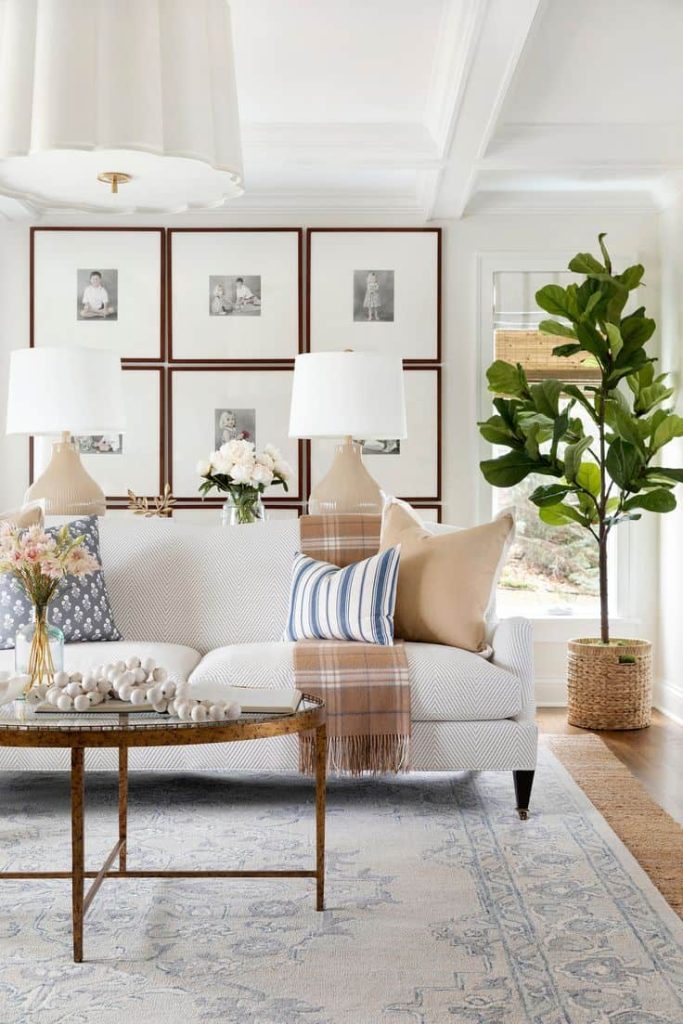
Incorporate layered textiles like area rugs, throw blankets, and cushions to add warmth and softness. Mix patterns sparingly—choose one bold design and balance it with more subdued ones to maintain harmony.
6. Blend Modern and Traditional Lighting
Lighting can be a statement feature. Use a mix of traditional chandeliers, modern floor lamps, and table lamps to balance the styles. Opt for warm light to keep the space inviting.
7. Incorporate Statement Art
Choose artwork that complements both traditional and modern elements in your space. A bold abstract painting or a large black-and-white photograph pairs beautifully with classic frames or neutral walls.
8. Add Architectural Details
Highlight or introduce elements like crown molding, wainscoting, or a coffered ceiling. These traditional details can anchor the space while allowing modern furnishings to feel at home.
9. Use Minimal Accessories
Keep decor simple and purposeful. A few curated pieces like ceramic vases, sculptural objects, or coffee table books can elevate the space without overwhelming it.
10. Emphasize Comfort and Functionality
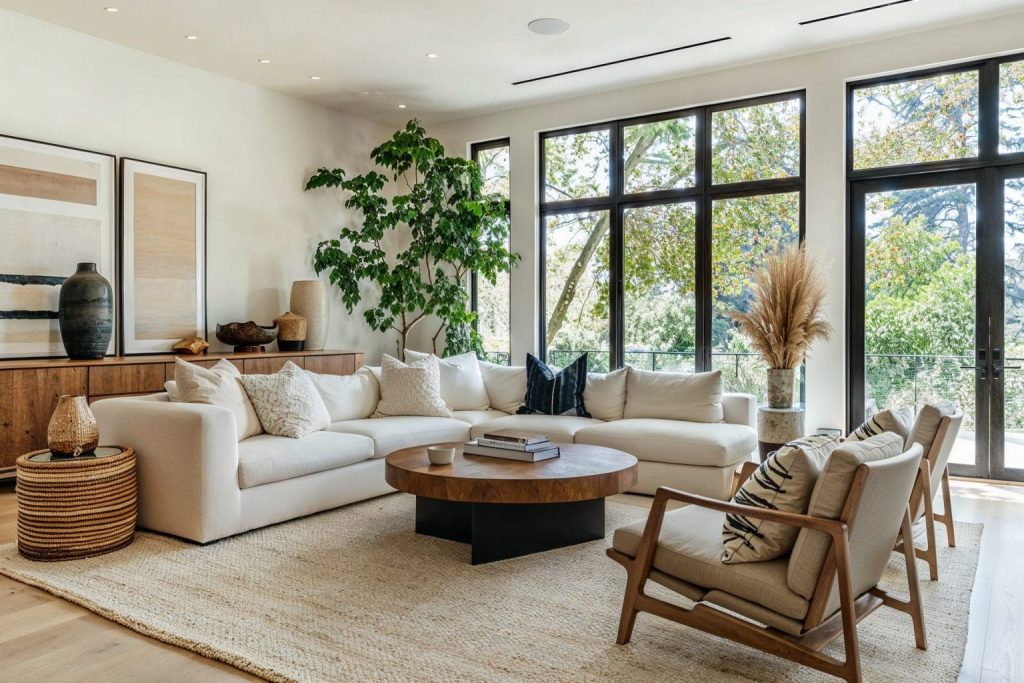
Transitional spaces are inviting and livable. Choose furniture with comfortable proportions, and consider the room’s flow and function. An ottoman that doubles as a coffee table or built-in shelving for storage are great functional choices.
how to decorate a transitional living room with modern accents
1. Embrace a Neutral or Pastel Palette

2. Blend Classic and Modern Furniture

3.Play with Textures


5. Transitional medium tone brown floor