Front Yard Landscaping Ideas for Zone 9 That Actually Thrive (Not Just Survive)
Last updated on February 12th, 2026 at 06:15 am
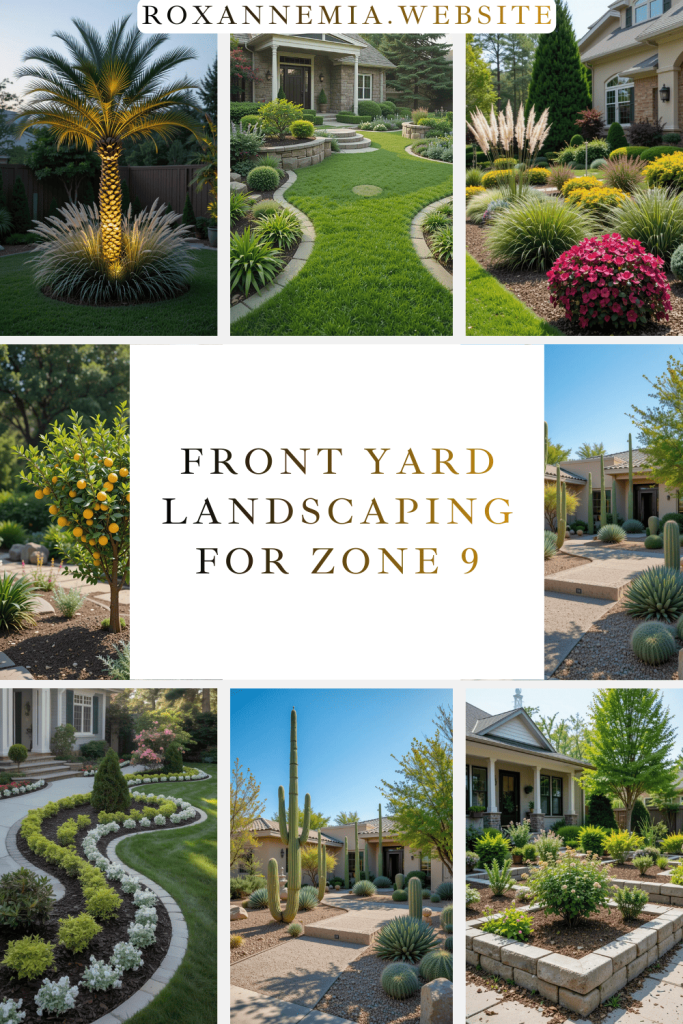
Zone 9 front yards come with a gift and a challenge at the same time. You get long growing seasons, warm temperatures, and tons of plant options—but if you choose wrong, things burn out fast or turn into a maintenance nightmare. That’s why smart landscaping in Zone 9 isn’t about stuffing your yard with plants; it’s about choosing heat-loving, drought-tolerant designs that look good year-round.
If your front yard feels flat, messy, or impossible to keep up with, you’re not alone. The ideas below are practical, step-by-step landscaping concepts that work with Zone 9’s climate instead of fighting it. Each example walks you through what to plant, where to place it, and why it works—so you can actually apply it, not just admire it.
15. Gravel and Succulent Entry Border
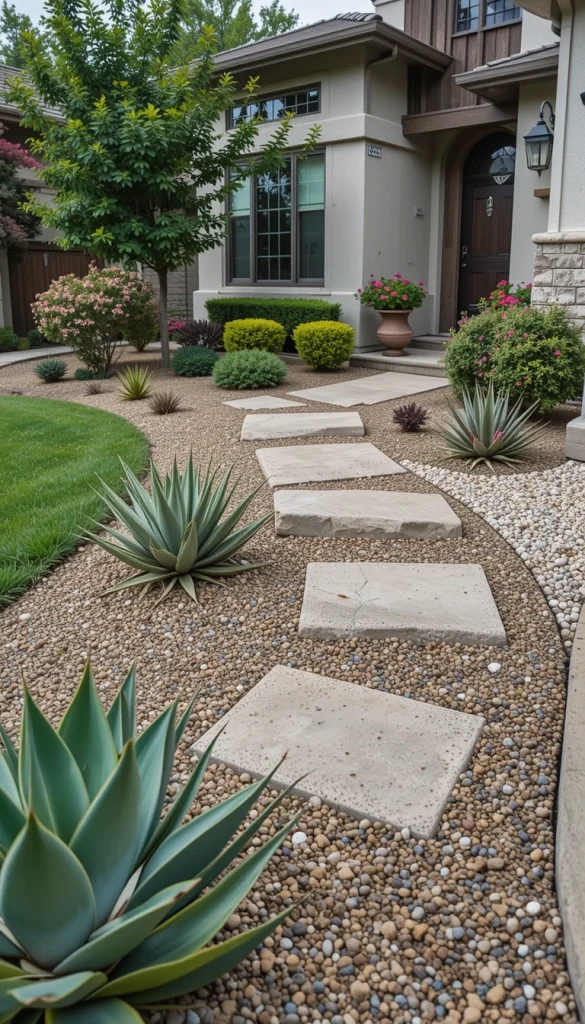
Start by outlining your front walkway with crushed gravel or decomposed granite, which helps with drainage and reflects heat away from plants. Add succulents like agave, aloe, or echeveria spaced evenly for a clean, modern look. Use landscape fabric underneath to control weeds and reduce maintenance. Finish with a few larger statement succulents near the entrance to anchor the design visually. This setup thrives in Zone 9 because succulents love heat, sun, and infrequent watering.
14. Layered Shrubs With Tropical Accents
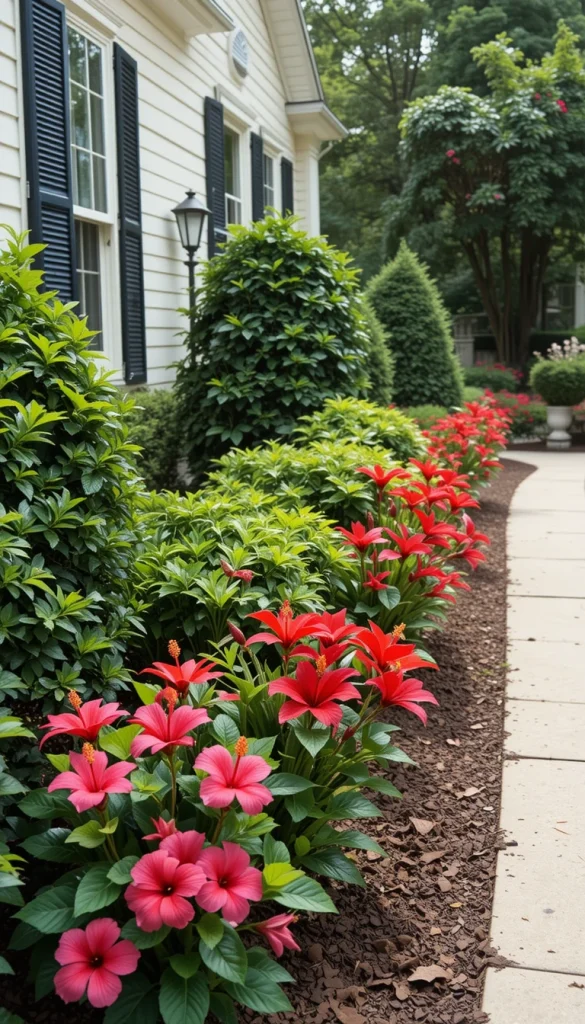
Begin with evergreen shrubs like boxwood or viburnum as your base layer along the house. In front of them, plant tropical accents such as hibiscus or crotons for bold color. Leave enough spacing so air can circulate, which helps prevent mildew in warm climates. Mulch heavily to retain moisture during hot months. This layered approach creates depth and curb appeal without constant replanting.
13. Drought-Tolerant Lawn Alternative
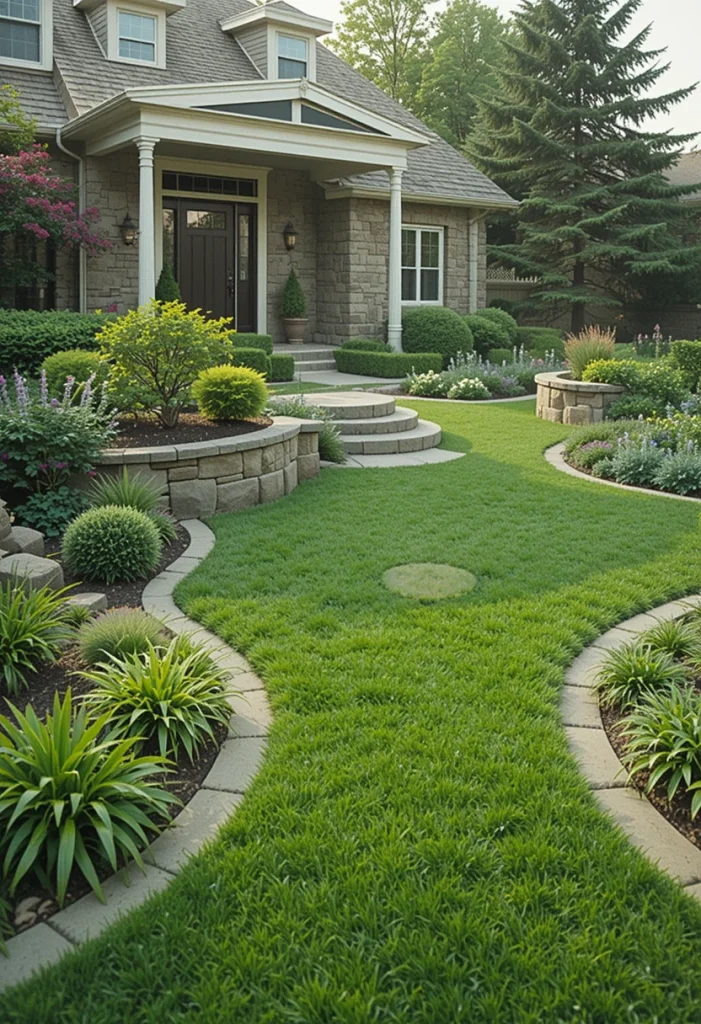
Replace traditional grass with low-water groundcovers like dwarf mondo grass or Asian jasmine. Start by removing existing turf and improving the soil with compost. Install drip irrigation to target roots directly, saving water. Edge the area cleanly with stone or metal borders to keep it polished. This idea is perfect for Zone 9 homeowners who want a green look without weekly mowing.
12. Palm-Centered Focal Point
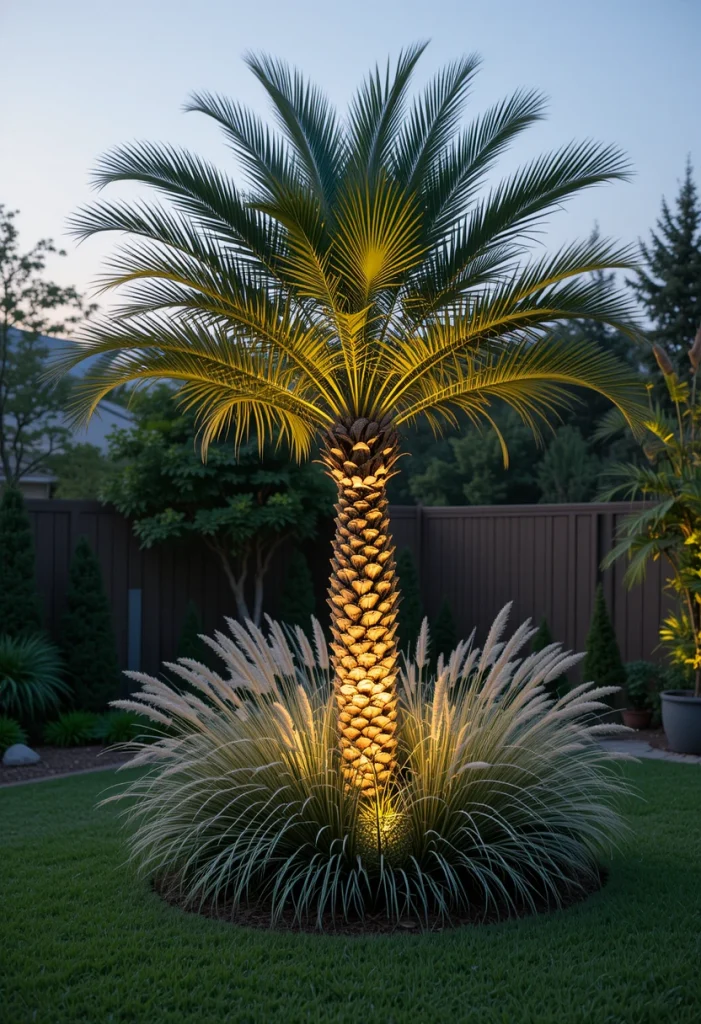
Choose a cold-hardy palm such as a windmill or pygmy date palm as your centerpiece. Plant it slightly off-center for a more natural look. Surround the base with ornamental grasses or low shrubs to soften the trunk. Add landscape lighting aimed upward to highlight the palm at night. Palms thrive in Zone 9 and instantly give your yard a relaxed, resort-style vibe.
11. Native Plant Front Yard Design
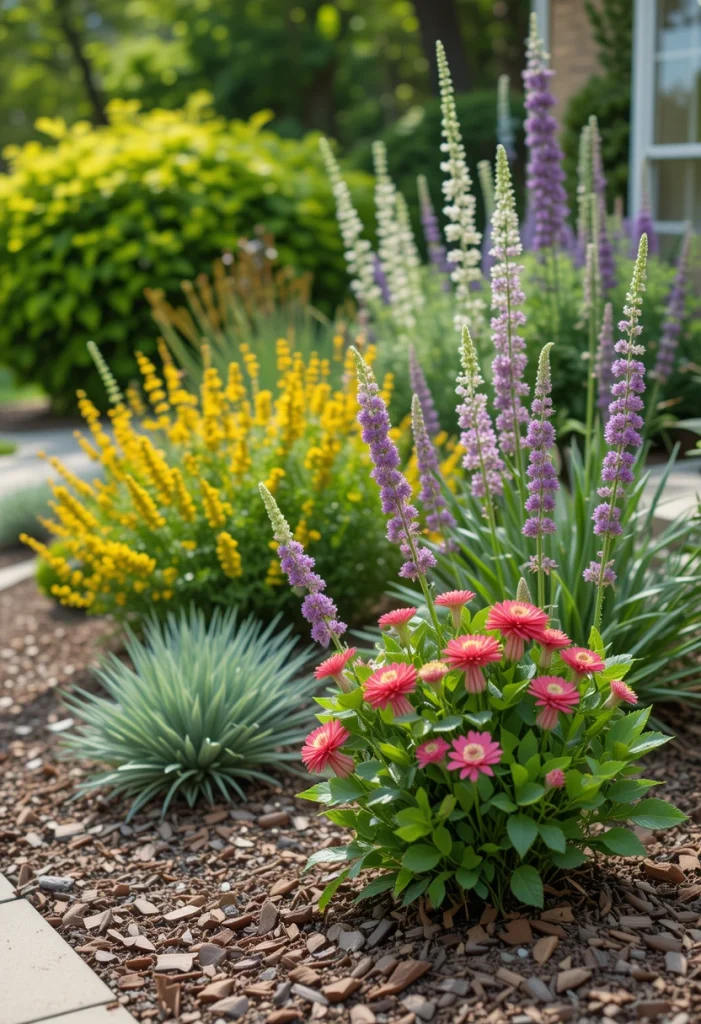
Research Zone 9 native plants and group them by water needs. Start with larger native shrubs in the back and smaller flowering plants toward the front. These plants adapt easily to local conditions and require less fertilizer. Mulch with bark or wood chips to protect roots from heat. Native landscaping works because it’s low-effort, eco-friendly, and resilient.
10. Stone Pathway With Soft Plant Edges
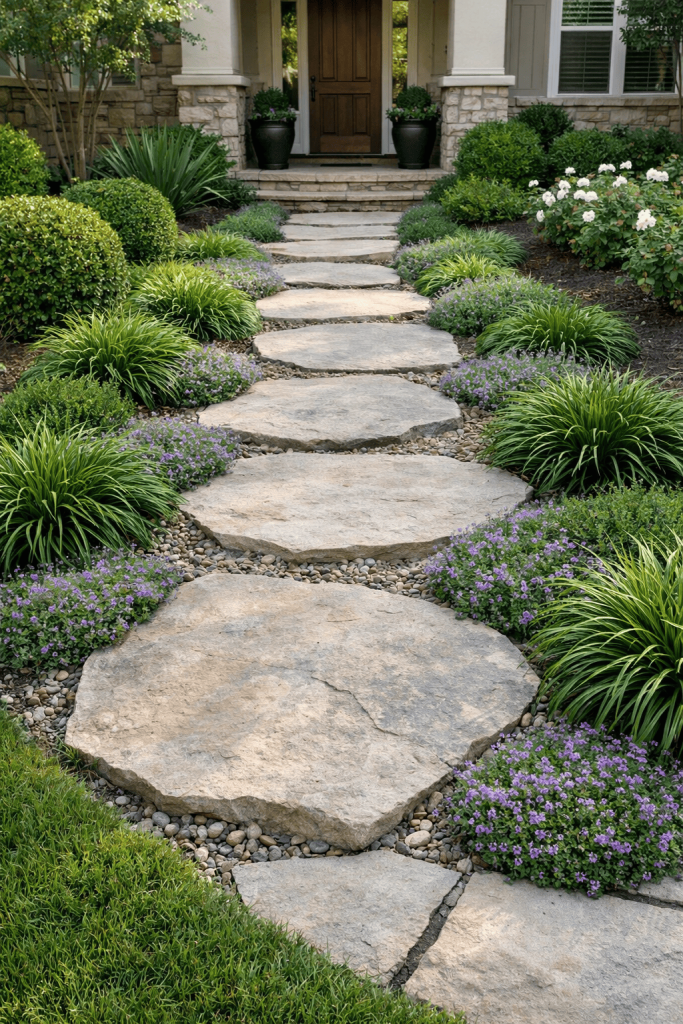
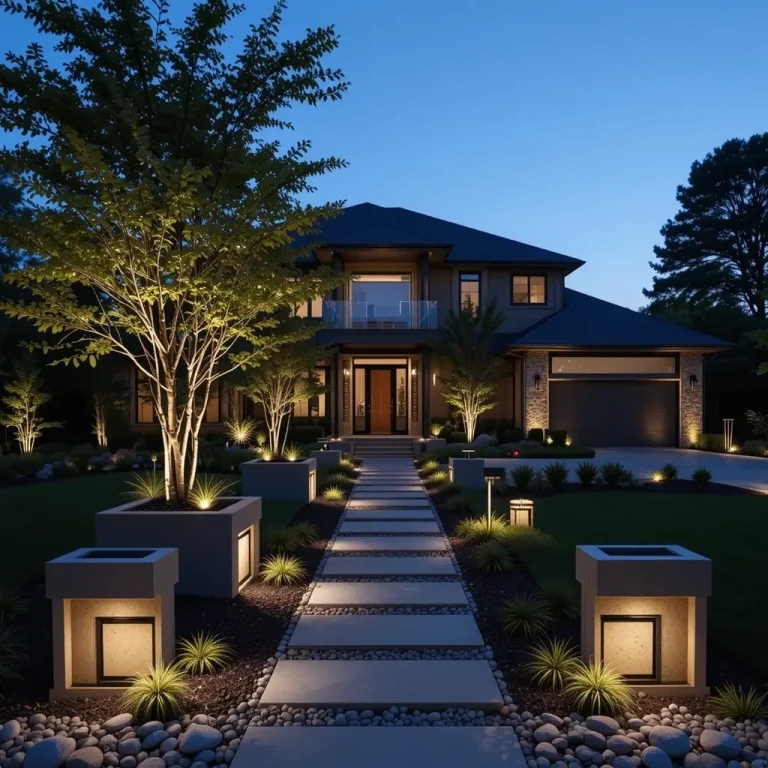
Lay a natural stone or concrete stepping path leading to your front door. Space the stones evenly for comfortable walking. Soften the edges with low-growing plants like liriope or creeping thyme. Keep plants trimmed so the path stays clear. This idea balances structure and softness, which is ideal for Zone 9’s fast-growing plants.
9. Mediterranean-Inspired Front Yard
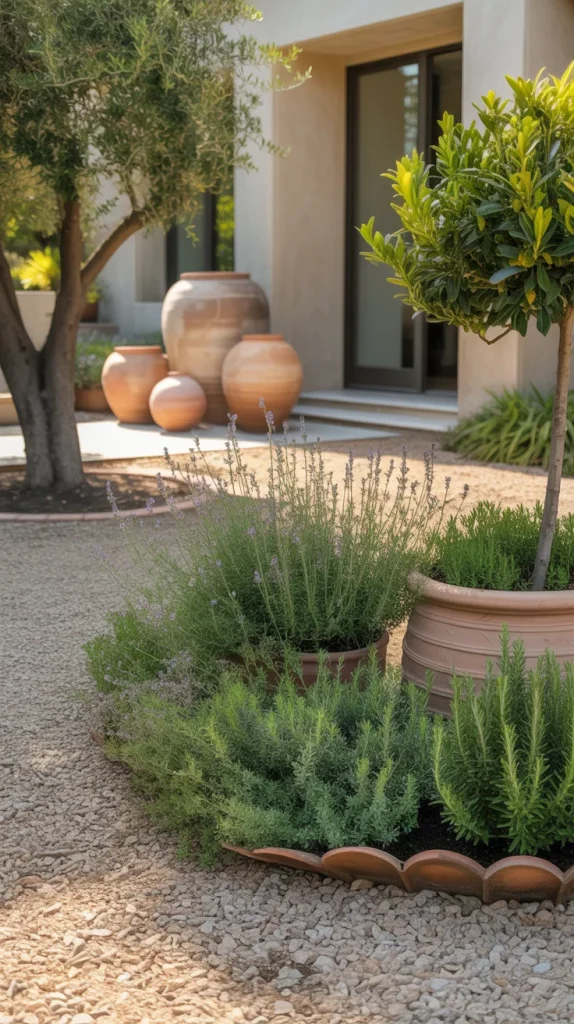
Use gravel, terracotta pots, and drought-tolerant plants like lavender and rosemary. Start with a neutral gravel base to reduce water needs. Add olive trees or dwarf citrus for height. Group pots near the entry for visual warmth. Mediterranean designs work beautifully in Zone 9 because they’re built for sun, heat, and dry spells.
8. Low Hedge With Flowering Border
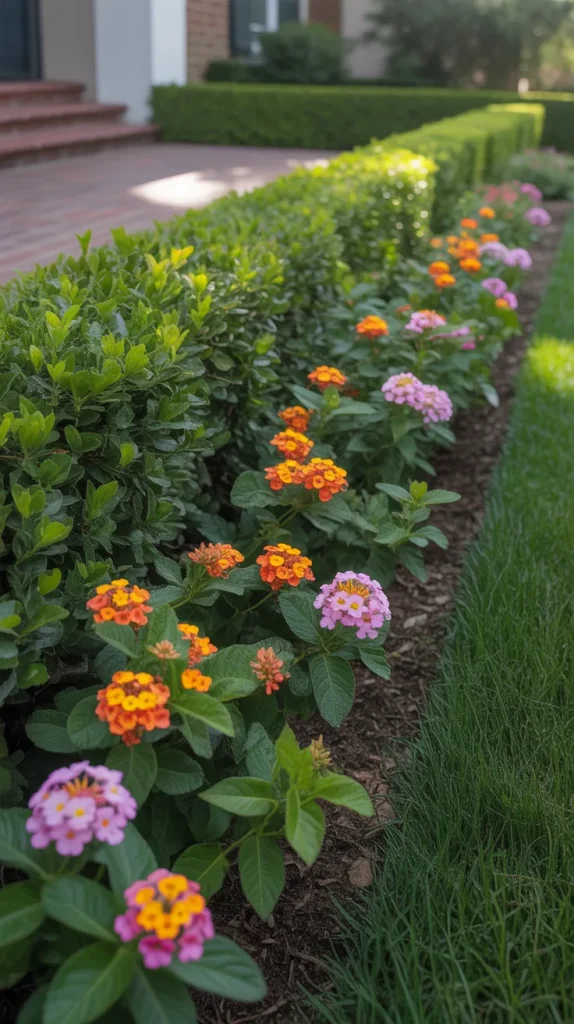
Install a low hedge such as dwarf boxwood along the front of your yard. In front of it, plant seasonal flowers like lantana or pentas. Keep the hedge trimmed for structure while letting flowers change with the seasons. This combo gives you order and color at the same time. It’s a great option if you want a tidy but lively front yard.
7. Curved Planting Beds for Visual Flow
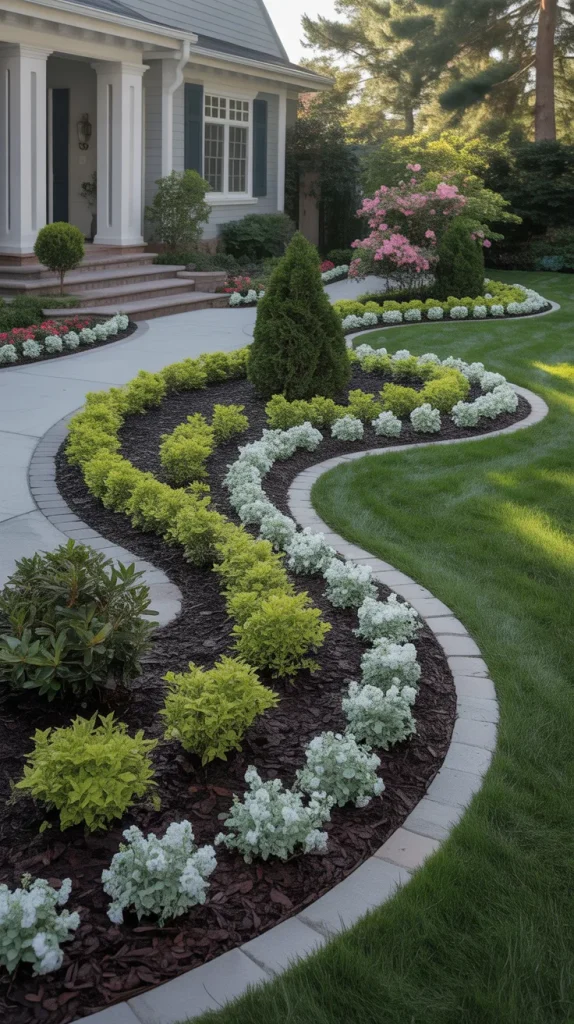
Mark out curved beds instead of straight lines to soften your landscape. Plant taller shrubs toward the center of curves and shorter plants near edges. Curves help guide the eye naturally across the yard. Use mulch or gravel to define the shape clearly. This approach makes small Zone 9 yards feel larger and more dynamic.
6. Ornamental Grasses With Rock Accents
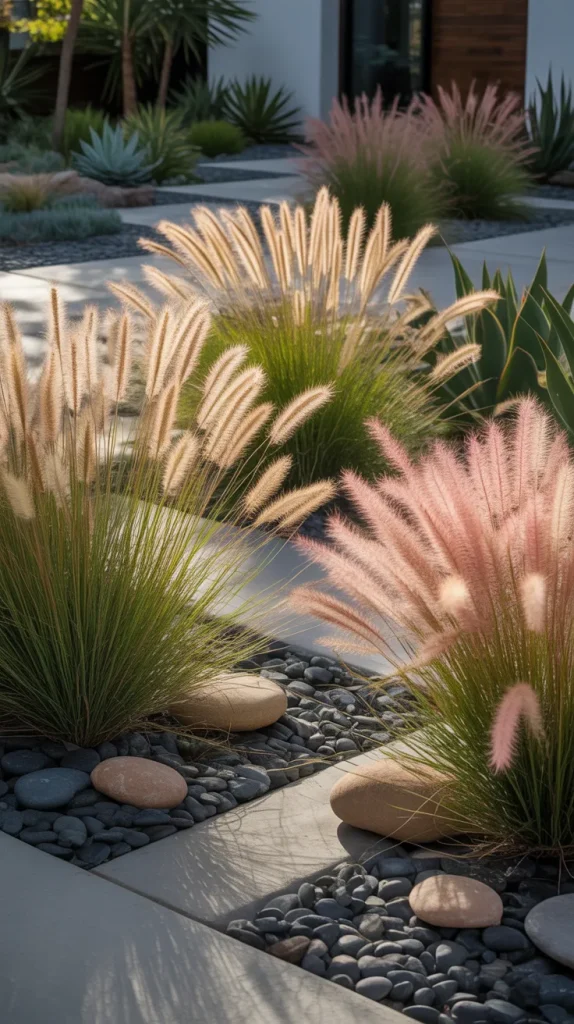
Choose heat-tolerant grasses like fountain grass or muhly grass. Plant them in clusters for movement and texture. Add decorative rocks between groupings for contrast. Grasses handle Zone 9 heat well and don’t require constant watering. The result is a modern, airy front yard that moves beautifully in the breeze.
5. Front Yard With Raised Planting Beds
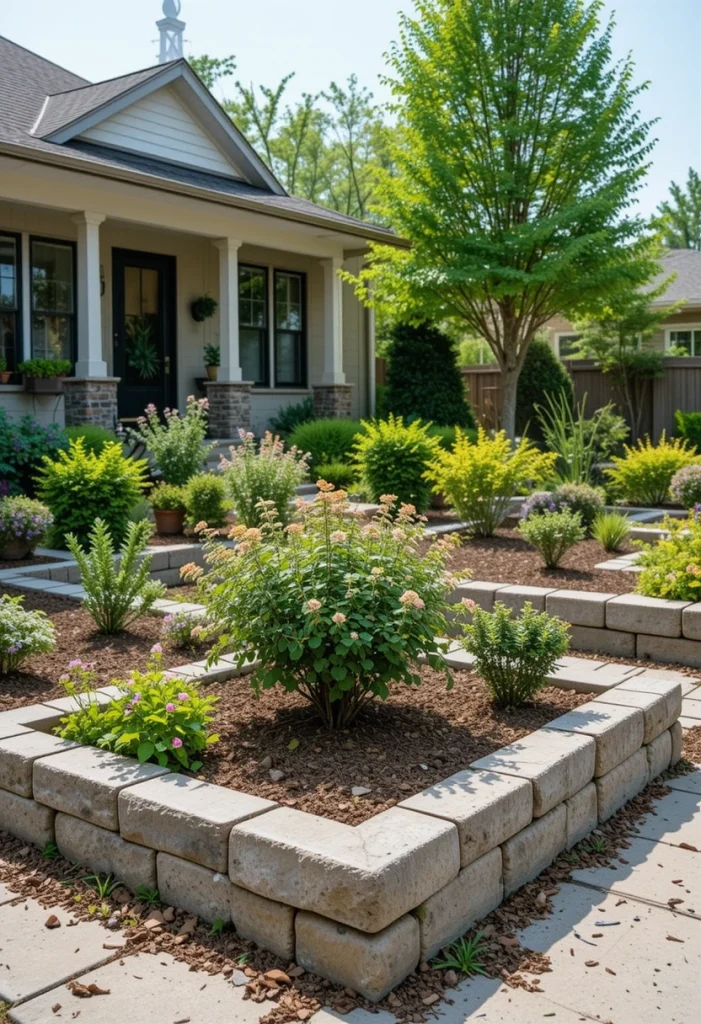
Build raised beds using stone or concrete blocks. Fill them with nutrient-rich soil to give plants a strong start. Raised beds improve drainage, which is crucial in heavy rains. Plant shrubs or flowers based on sun exposure. This method gives you control over soil quality, which is a huge advantage in Zone 9.
4. Citrus Tree Statement Yard
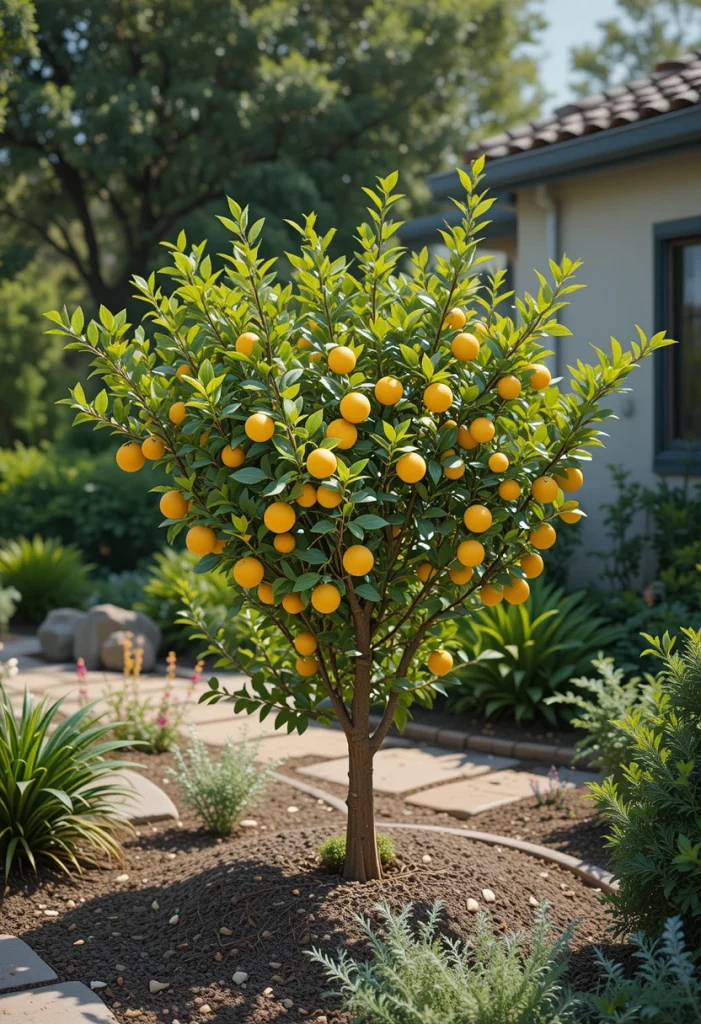
Select dwarf citrus trees like lemon or lime for the front yard. Plant them where they get full sun most of the day. Underplant with herbs or groundcovers to keep soil cool. Citrus thrives in Zone 9 and adds both beauty and function. Plus, fresh fruit right outside your door is hard to beat.
3. Minimalist Desert-Inspired Design
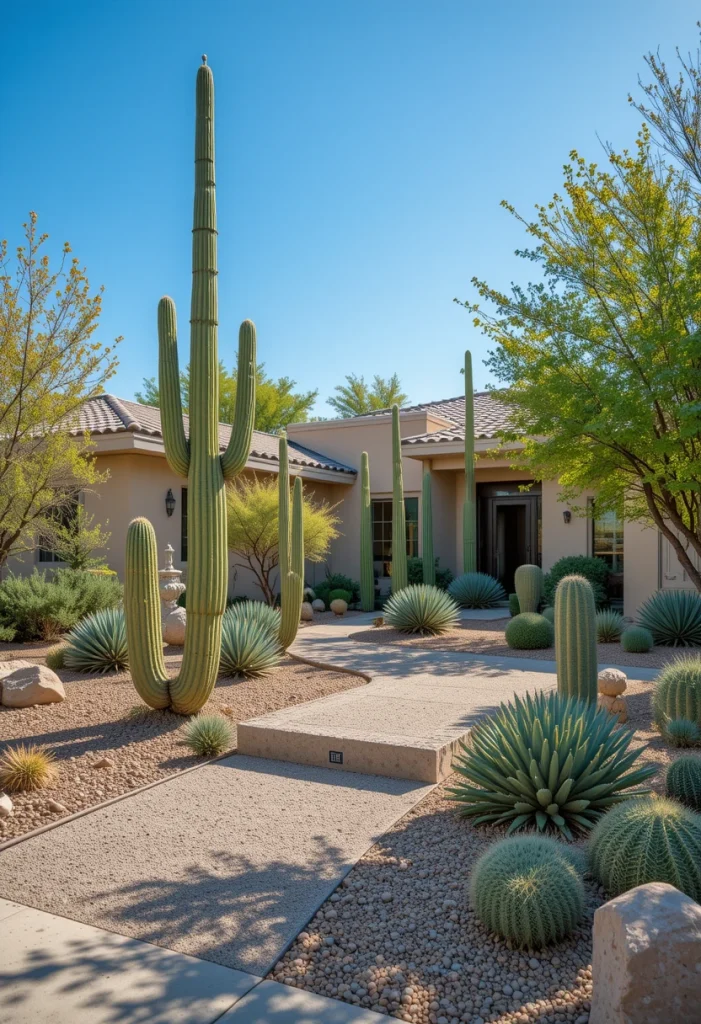
Use sand-colored gravel, sculptural cacti, and clean lines. Space plants intentionally to avoid overcrowding. Choose a few bold specimens rather than many small ones. Add metal or stone edging for sharp definition. Desert-inspired landscaping works well in Zone 9 because it’s water-wise and visually striking.
2. Shaded Entry With Small Trees
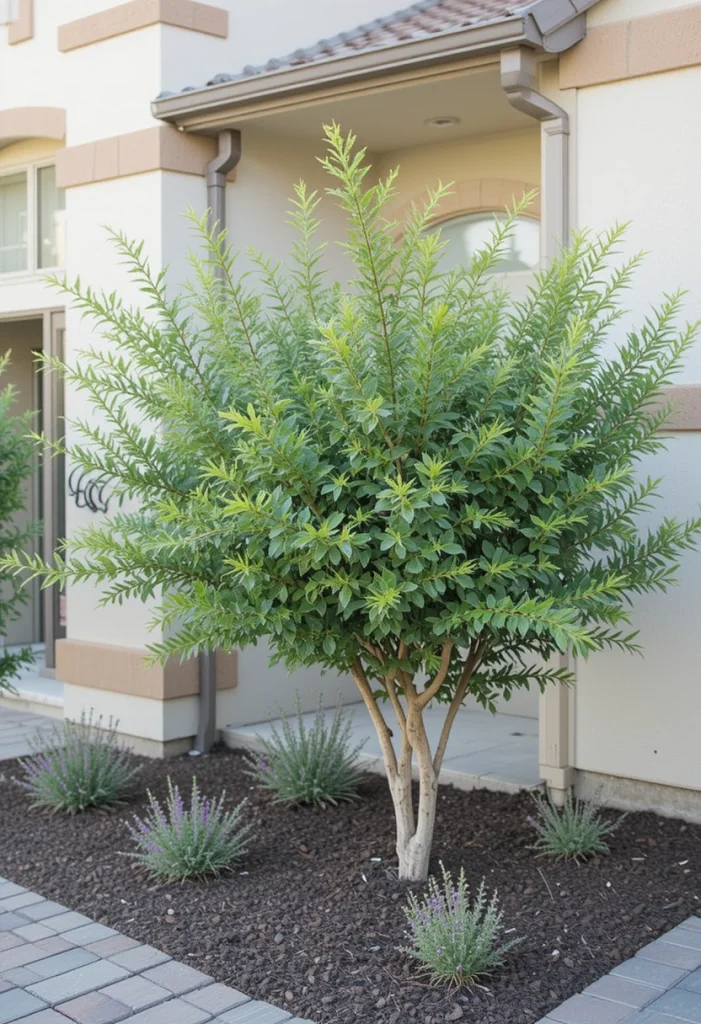
Plant small shade trees like crape myrtle or desert willow near the entry. Position them to block harsh afternoon sun. Add shade-loving plants beneath for layered interest. Mulch deeply to keep roots cool. This setup improves comfort while making your front yard feel inviting and balanced.
1. Balanced Mixed-Plant Landscape (Best Overall)
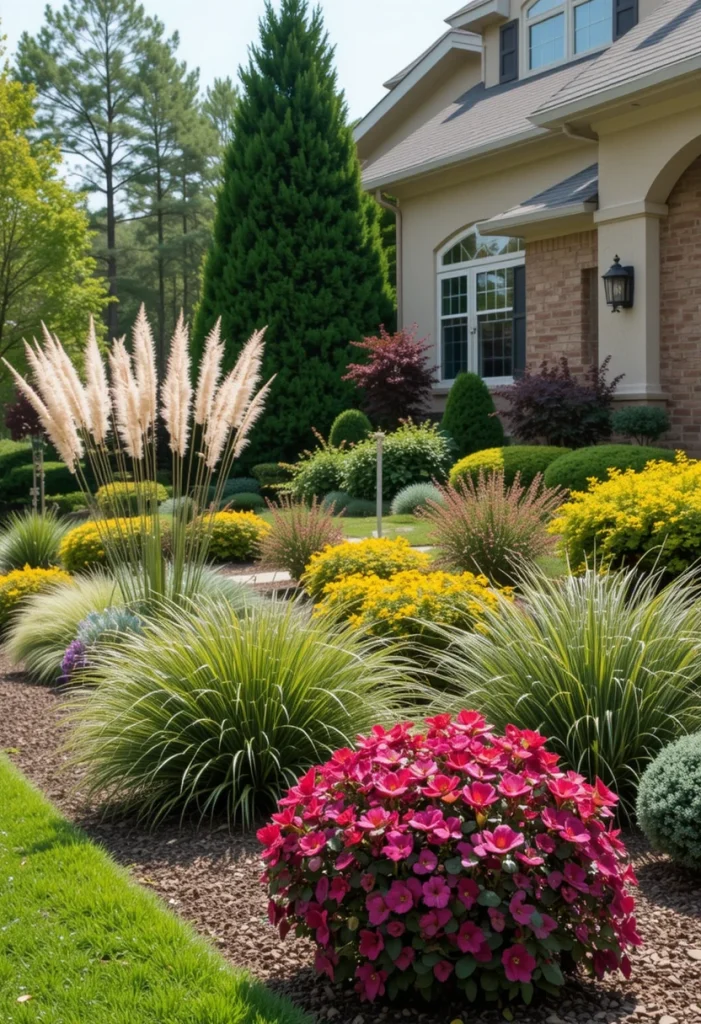
Start with evergreen shrubs for year-round structure. Add flowering plants for seasonal color and ornamental grasses for texture. Place everything based on sun exposure and water needs. Use mulch and drip irrigation to reduce maintenance. This balanced approach works best in Zone 9 because it creates a resilient, attractive front yard that stays polished all year.
Conclusion
Front yard landscaping in Zone 9 doesn’t have to be overwhelming or water-hungry. When you choose plants that love heat, design with intention, and build in structure, your yard becomes easier to maintain and better looking over time. Whether you lean tropical, desert, or classic, the right plan makes all the difference. Start small, follow the steps, and let your front yard finally work with your climate—not against it.