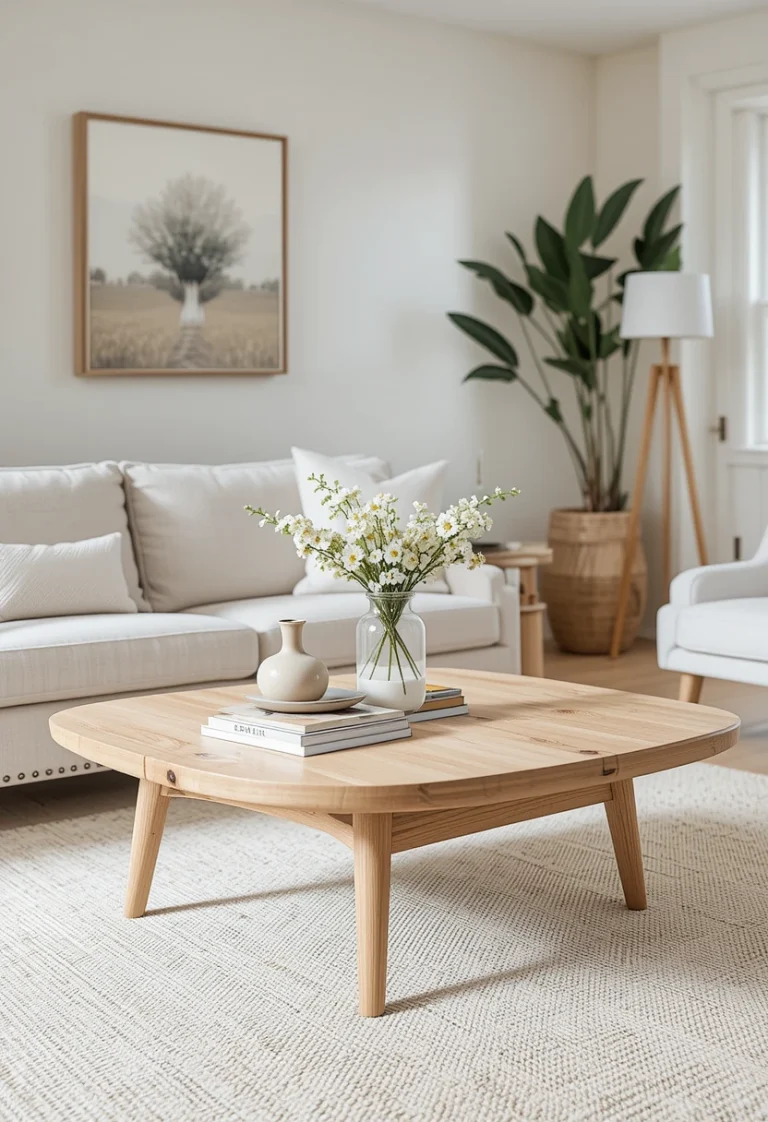
Layering Textures for a High-End Designer Living Room
A living room can have all the “right” furniture and still feel flat. The missing ingredient is almost always texture—that subtle mix of materials that makes a space feel rich, intentional, and lived-in. If you’ve ever wondered why designer spaces look effortlessly expensive, it’s not about spending more—it’s about layering textures strategically. Think soft against hard, matte against glossy, rough against smooth. Once you understand this balance, your living room instantly starts to feel elevated without a full redesign.
Why Texture Matters in a Designer Living Room
Texture is what gives a room depth, warmth, and visual intrigue. Without it, even beautiful furniture can feel one-dimensional and uninspired. Designers rely on contrasting materials to create movement and keep the eye engaged. It’s also what makes a room feel cozy yet polished at the same time. The goal is to create a space that feels effortless but thoughtfully layered.
How to Layer Textures Like a Pro
Start with a Neutral Base
A neutral foundation allows textures to stand out without overwhelming the space. Think soft beige sofas, warm whites, or muted grays. Once your base is calm, you can build layers without things looking chaotic. This approach mirrors how high-end interiors feel cohesive yet detailed. Texture becomes the focal point instead of color overload.
Mix Opposites Intentionally
Great design thrives on contrast. Pairing soft fabrics with hard surfaces or sleek finishes with organic elements creates balance. This contrast keeps the room visually dynamic. Without it, everything blends together and loses impact. Opposites are what make each texture shine.
14 Designer-Inspired Texture Layering Ideas
1. Linen Sofas with Velvet Pillows
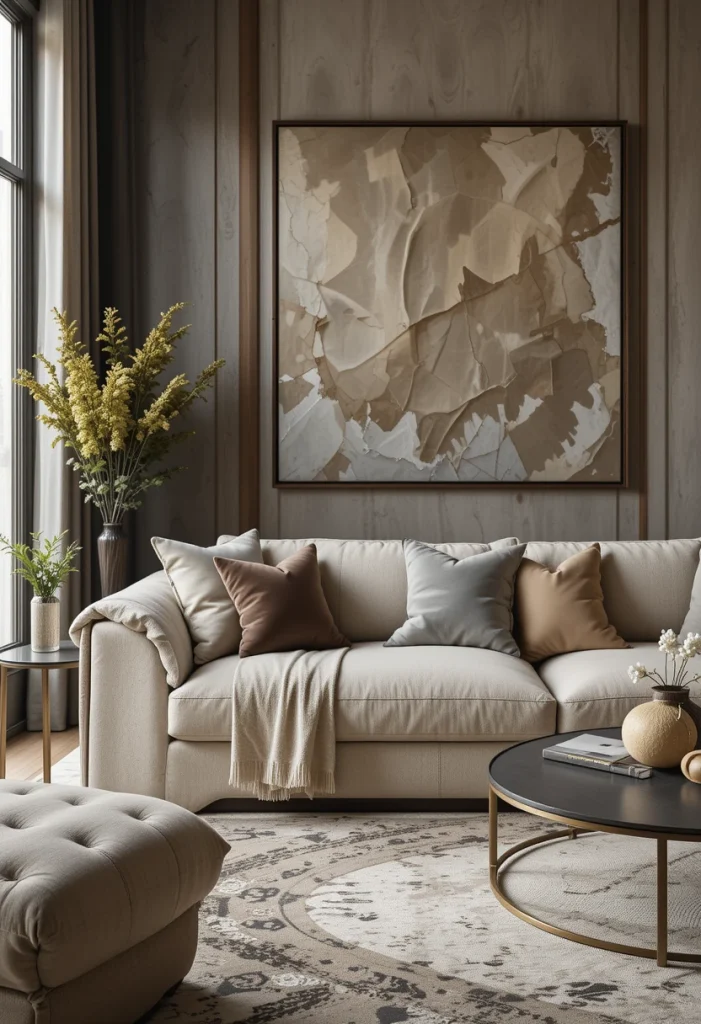
A linen sofa sets a relaxed, breathable foundation that feels effortlessly chic. Adding velvet pillows introduces a soft sheen and richness that instantly elevates the look. The contrast between matte linen and plush velvet creates visual depth. It also makes the seating area feel more inviting and curated. This combination is a staple in high-end interiors because it balances comfort with luxury.
2. Leather Chairs Paired with Chunky Knit Throws
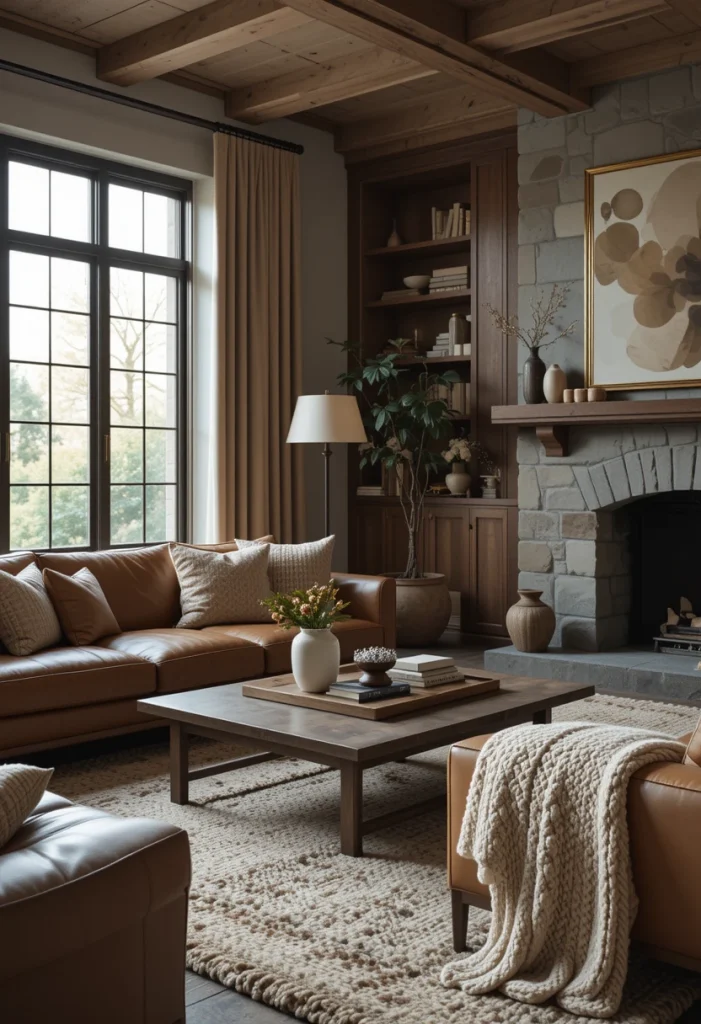
Leather brings structure and a slightly masculine edge to a space. A chunky knit throw softens that look and adds warmth. The tactile difference between smooth leather and thick yarn creates instant interest. It also makes the room feel layered rather than staged. This pairing works especially well in modern or rustic spaces.
3. Glass Coffee Tables with Textured Rugs

Glass tables keep the room feeling open and airy. Placing them over a textured rug adds grounding and prevents the space from feeling too cold. The rug introduces pattern, softness, and dimension underfoot. This contrast keeps the room balanced and visually engaging. It’s a simple way to add depth without cluttering the space.
4. Wood Accents with Metallic Finishes

Natural wood adds warmth and organic character. When paired with metallic accents like brass or gold, the space instantly feels more refined. The warmth of wood contrasts beautifully with the cool shine of metal. This creates a layered, designer-approved aesthetic. It’s the perfect blend of earthy and polished elements.
5. Matte Walls with Glossy Decor Pieces
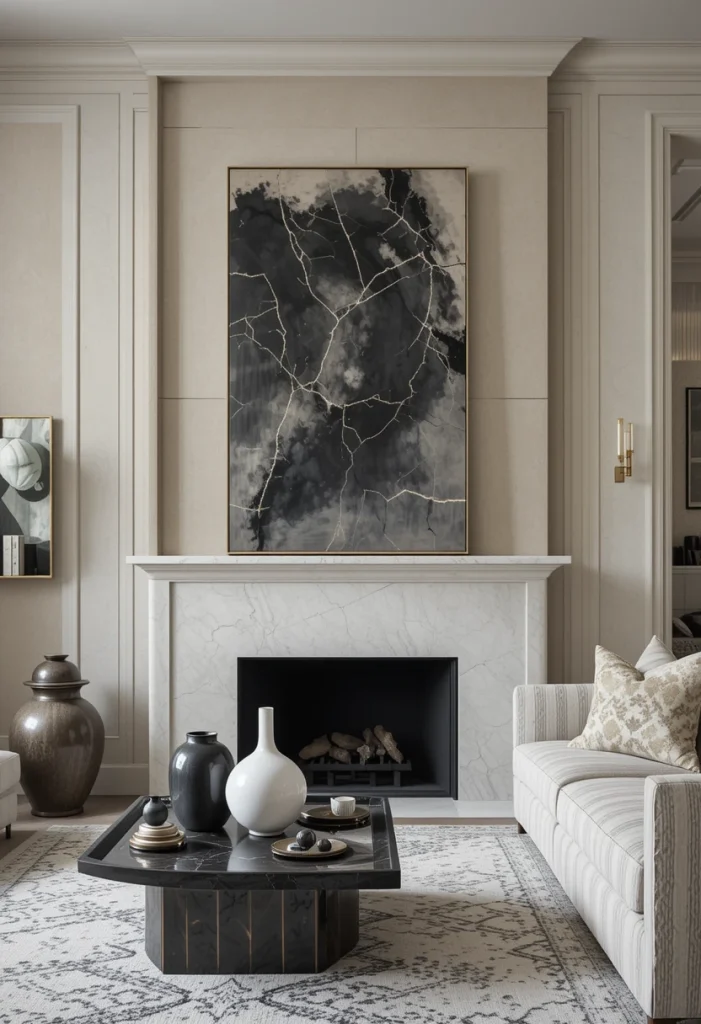
Matte walls create a soft, understated backdrop. Adding glossy decor like ceramic vases or lacquered trays introduces light reflection. This subtle contrast keeps the room from feeling flat. It also adds a touch of sophistication without being overpowering. Mixing finishes is key to achieving a high-end look.
6. Sheer Curtains with Heavy Drapes

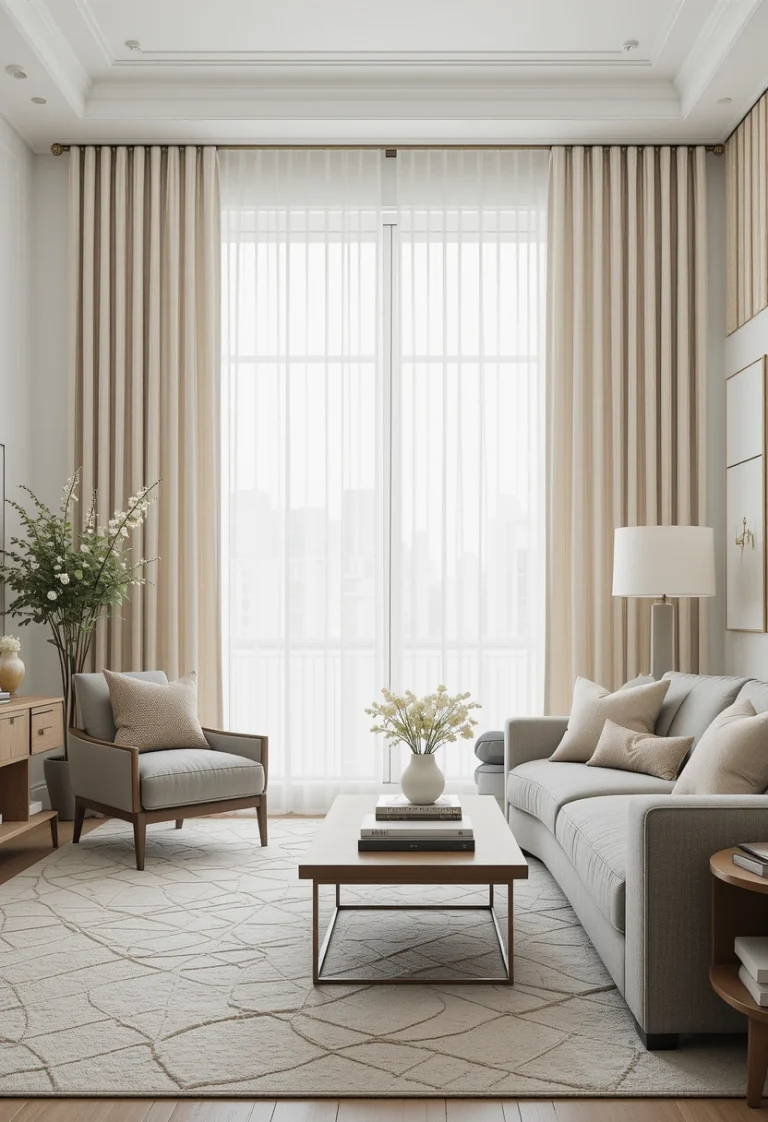
Layering window treatments adds both function and elegance. Sheer curtains allow natural light to filter in softly. Heavy drapes provide structure and a sense of luxury. Together, they create depth and visual layering around windows. This combination instantly makes a room feel more complete and upscale.
7. Marble Surfaces with Soft Textiles

Marble is sleek, cool, and undeniably luxurious. Pairing it with soft textiles like wool or cotton balances its hardness. This contrast keeps the space from feeling too formal or cold. It also enhances comfort without sacrificing style. Softening hard surfaces is a designer trick that always works.
8. Woven Baskets with Sleek Furniture
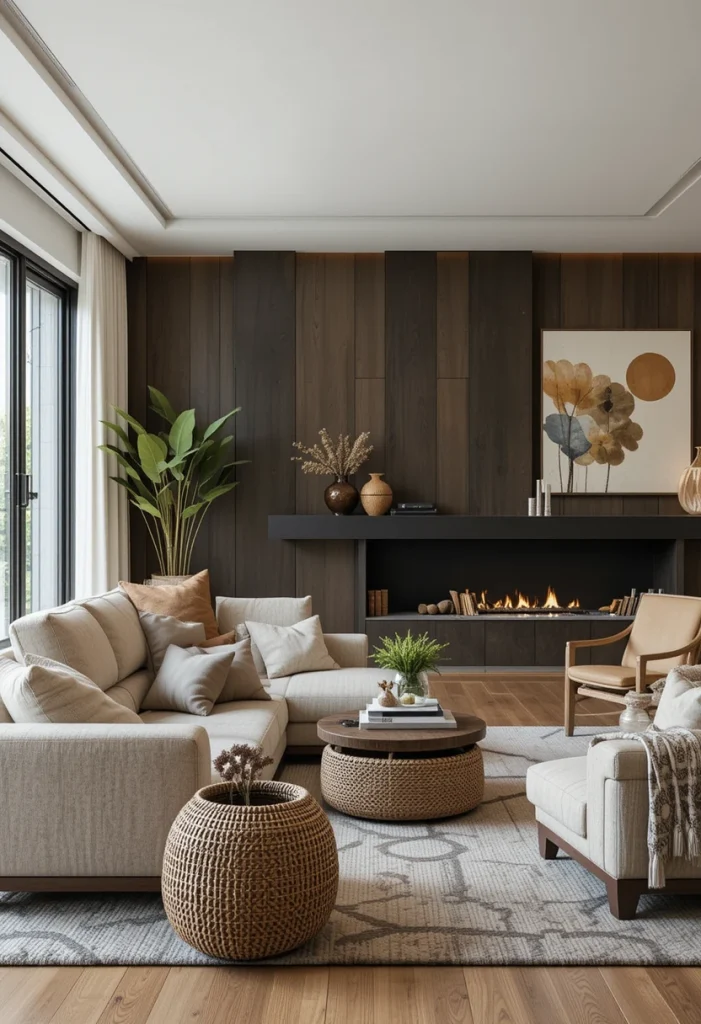
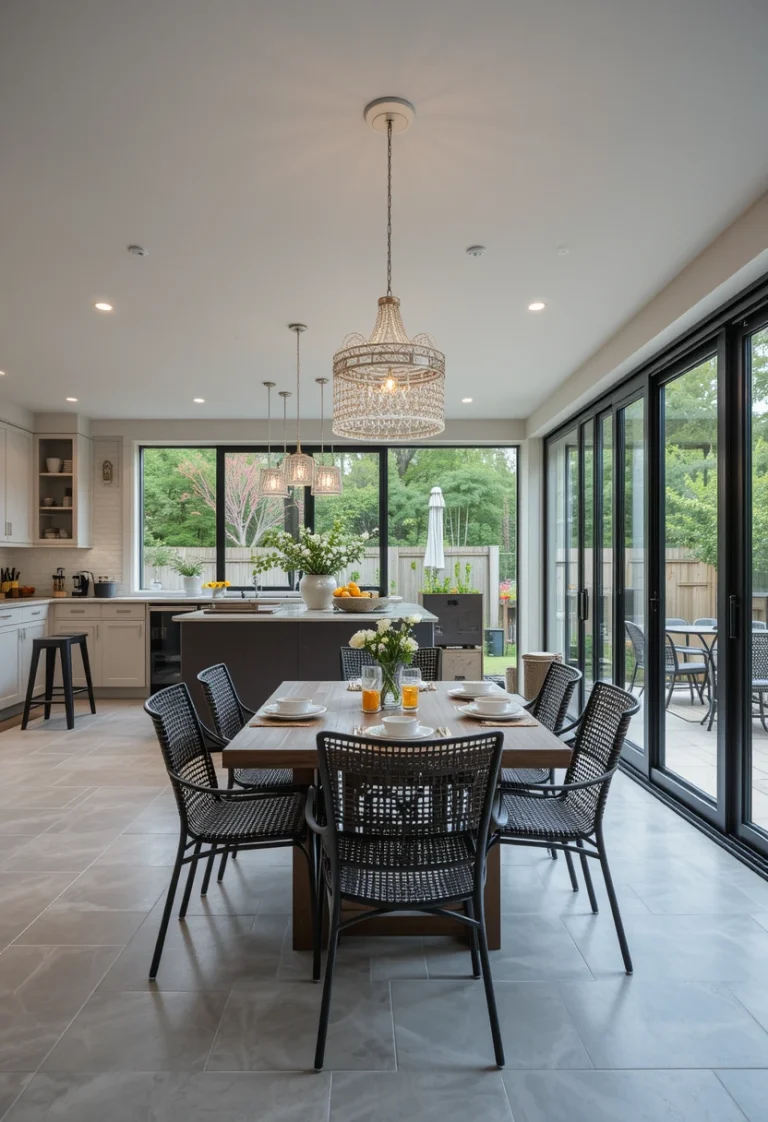
Woven baskets introduce a natural, handcrafted feel. When placed alongside sleek furniture, they add texture without clutter. This pairing prevents modern spaces from feeling too sterile. It also adds a casual, lived-in touch. Small organic elements can completely transform the vibe of a room.
9. Layered Rugs for Added Depth
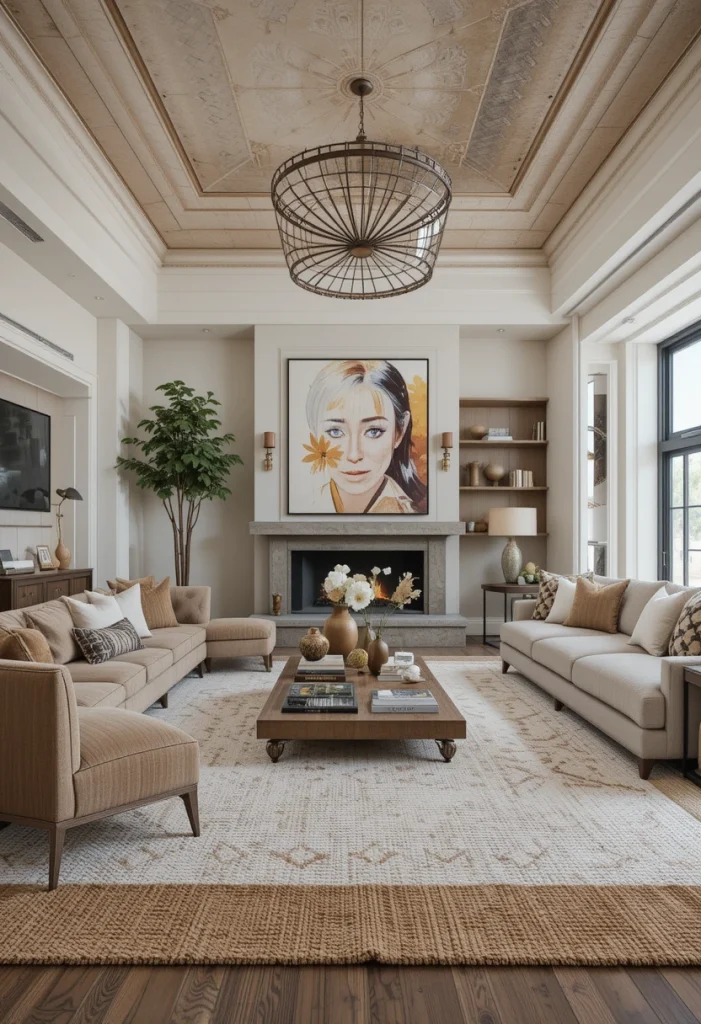
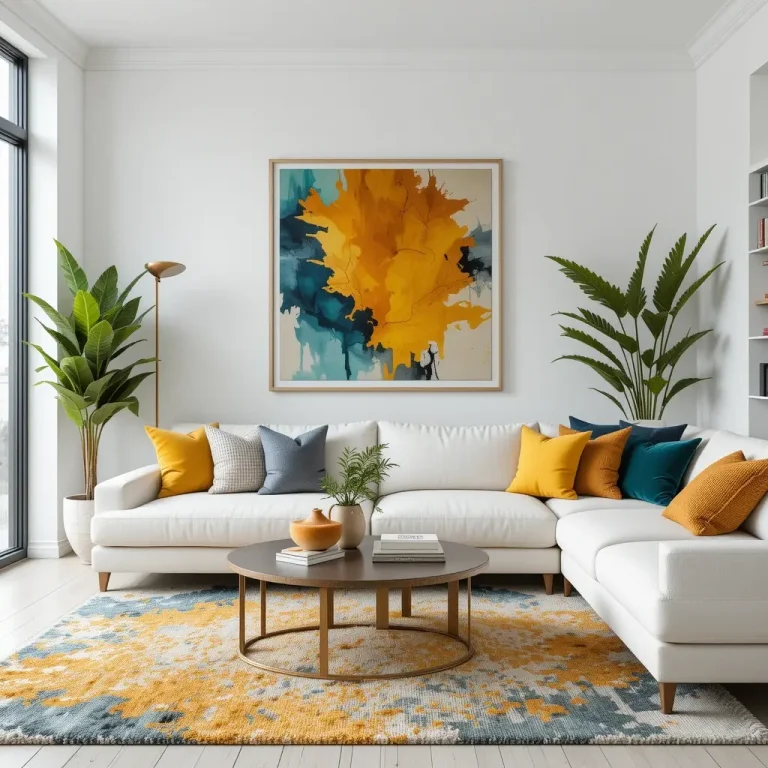
Layering rugs creates dimension and a sense of intentional design. A larger neutral rug can anchor the space. Adding a smaller patterned or textured rug on top introduces personality. This technique works especially well in open living rooms. It’s a go-to trick for making a space feel designer-styled.
10. Suede or Nubuck with Polished Surfaces
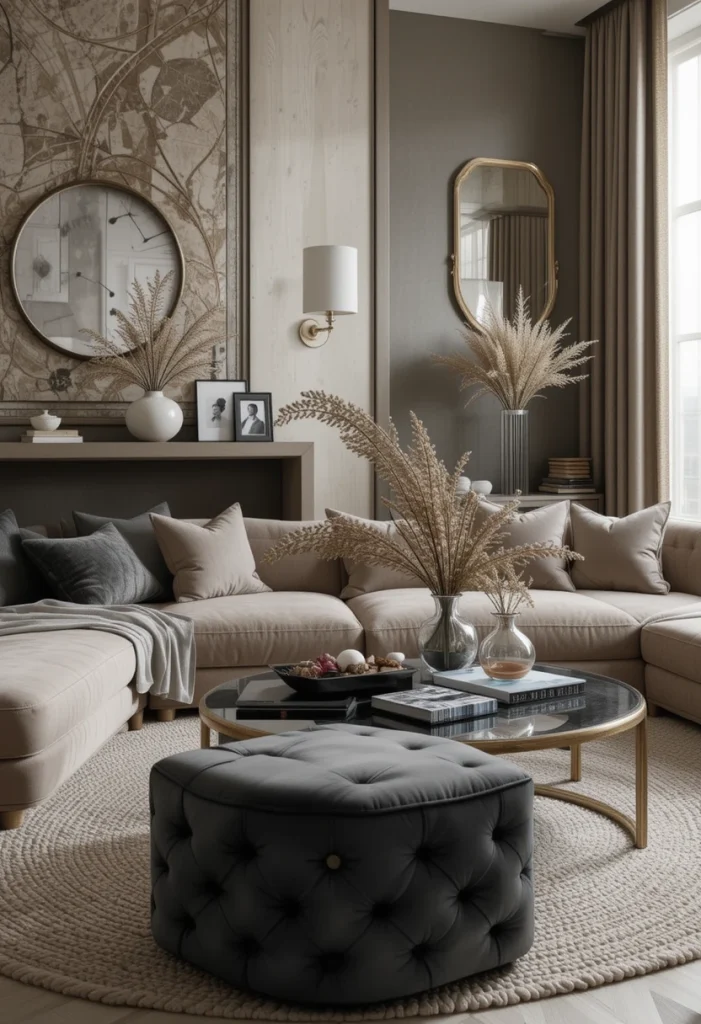
Suede and nubuck offer a soft, velvety texture that feels luxurious. Pairing them with polished surfaces like glass or metal creates contrast. This balance prevents the room from feeling too heavy or too cold. It also adds subtle sophistication. Texture layering doesn’t have to be bold to be effective.
11. Stone Elements with Plush Seating

Stone elements like side tables or decor pieces add a grounded, natural feel. Plush seating softens that look and adds comfort. The combination feels both sturdy and inviting. It’s a great way to bring nature indoors without sacrificing coziness. This mix is often seen in high-end contemporary homes.
12. Fringe and Tassels for Subtle Detail

Fringe and tassels add movement and personality. They work beautifully on pillows, throws, or even rugs. These small details make a space feel curated rather than generic. They also introduce texture in a playful, understated way. It’s all about the finishing touches.
13. Dark Woods with Light Fabrics

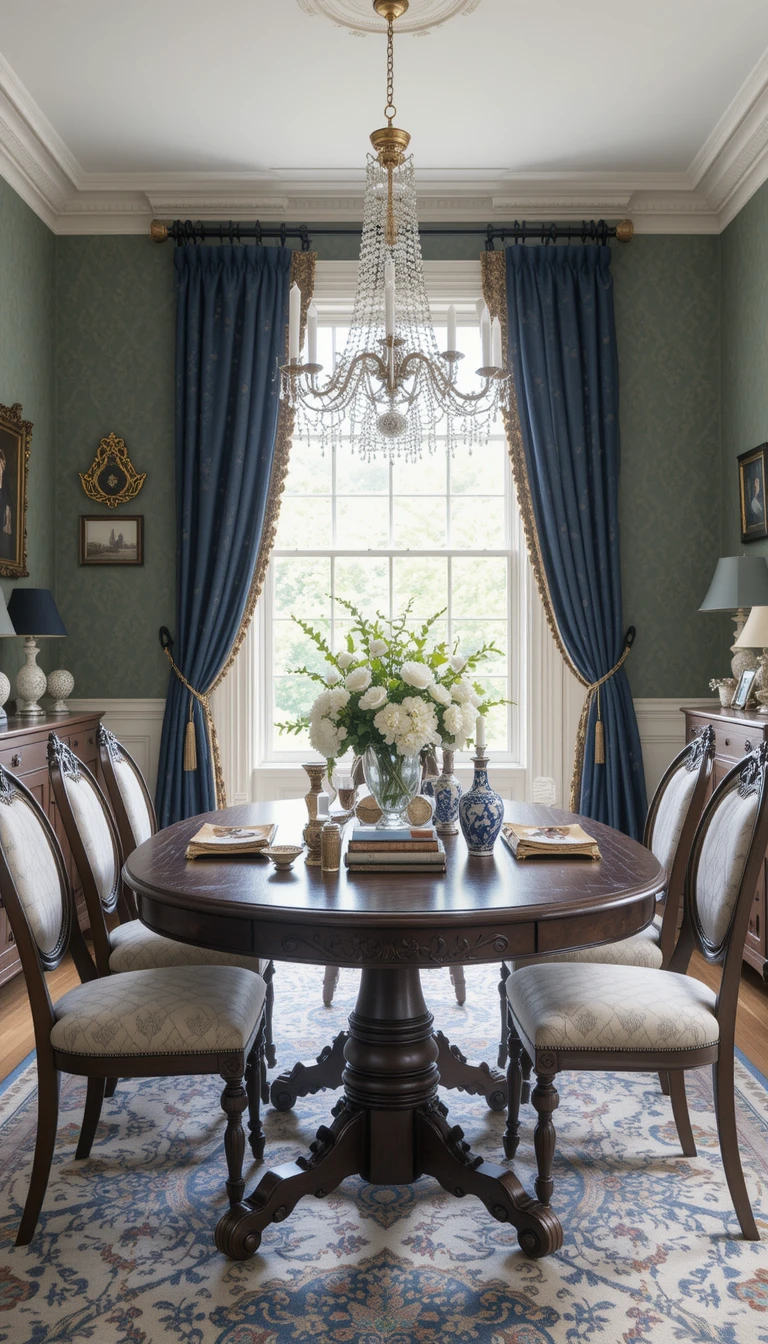
Dark wood furniture adds depth and richness to a room. Pairing it with light fabrics creates contrast and keeps the space balanced. This prevents the room from feeling too heavy. It also highlights the beauty of both materials. Contrast in tone enhances texture visually.
14. Layered Lighting for Textural Glow

Lighting isn’t just functional—it adds texture through shadows and highlights. Combining table lamps, floor lamps, and ambient lighting creates layers. Different light sources interact with materials in unique ways. This enhances textures throughout the room. Good lighting brings every design element to life.
Common Mistakes to Avoid
Overloading a room with too many textures can feel chaotic rather than curated. It’s important to maintain a sense of balance and cohesion. Stick to a consistent color palette to tie everything together. Avoid using textures that clash rather than complement each other. The goal is harmony, not competition.
Conclusion
Layering textures is what separates a basic living room from one that feels thoughtfully designed. It’s not about adding more—it’s about adding with intention. When you mix materials, finishes, and fabrics in a balanced way, your space naturally feels richer and more inviting. Start small, experiment with contrasts, and trust your eye. A high-end look isn’t about perfection—it’s about depth, warmth, and character working together seamlessly.