How to Style a Moody Romantic Bedroom
Last updated on May 2nd, 2026 at 12:46 pm
Creating a space that feels intimate, dramatic, and emotionally warm
A moody romantic bedroom isn’t designed to impress guests — it’s designed to make you feel something. It’s the quiet glow of lamplight at night, the weight of layered bedding, the depth of dark walls that feel comforting instead of cold. This style is less about decoration and more about atmosphere.
When done well, a moody romantic bedroom feels personal, immersive, and timeless. Here’s how to create that feeling without making the space feel heavy, theatrical, or overdesigned.
Understanding the Mood Behind the Style
At its core, a moody romantic bedroom is about emotional depth. It leans into softness, shadow, and warmth rather than brightness or contrast. Romance here is subtle — it’s not hearts or florals everywhere, but a sense of calm intimacy that encourages rest and connection.
This style works because it slows the space down. Nothing feels rushed or overly sharp. Every element contributes quietly to the mood.
Letting Color Create the Atmosphere
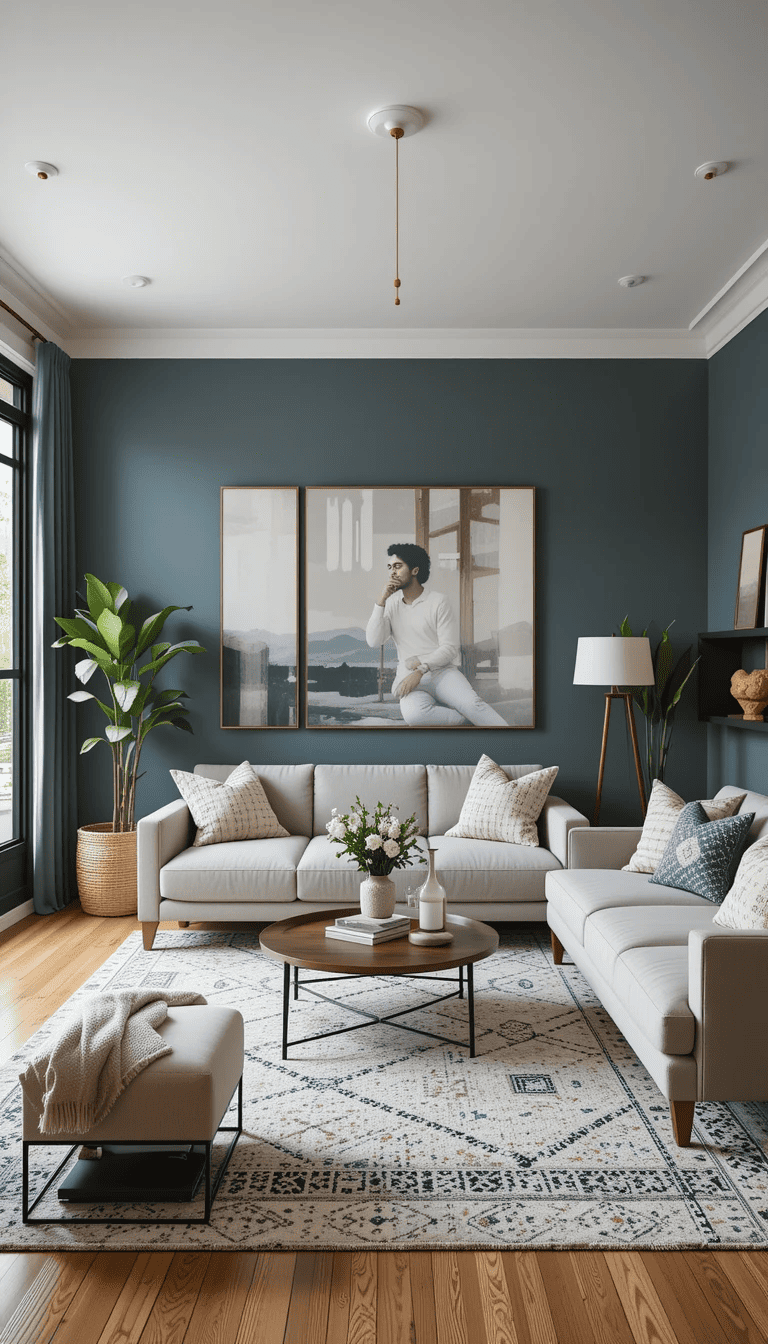
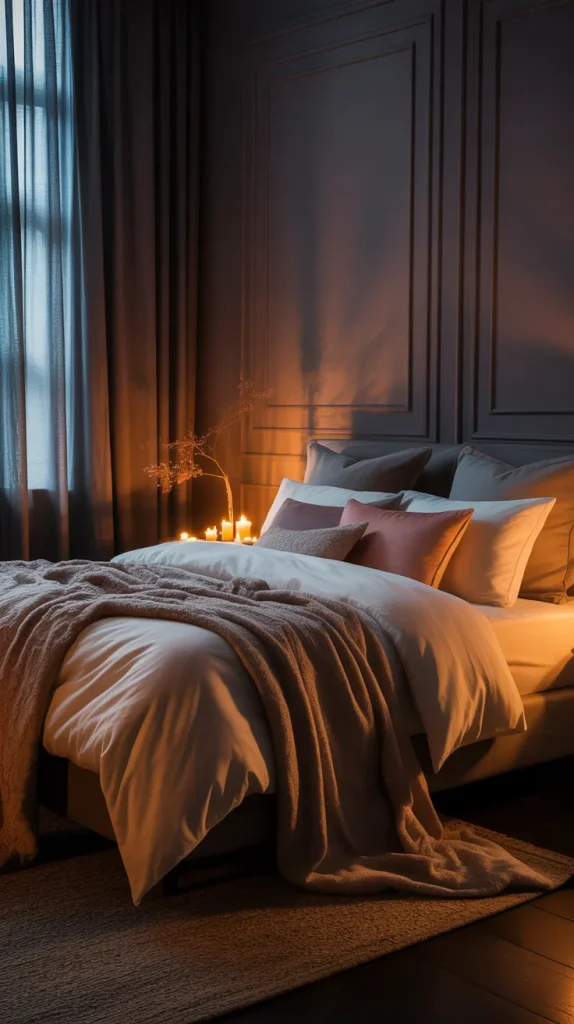
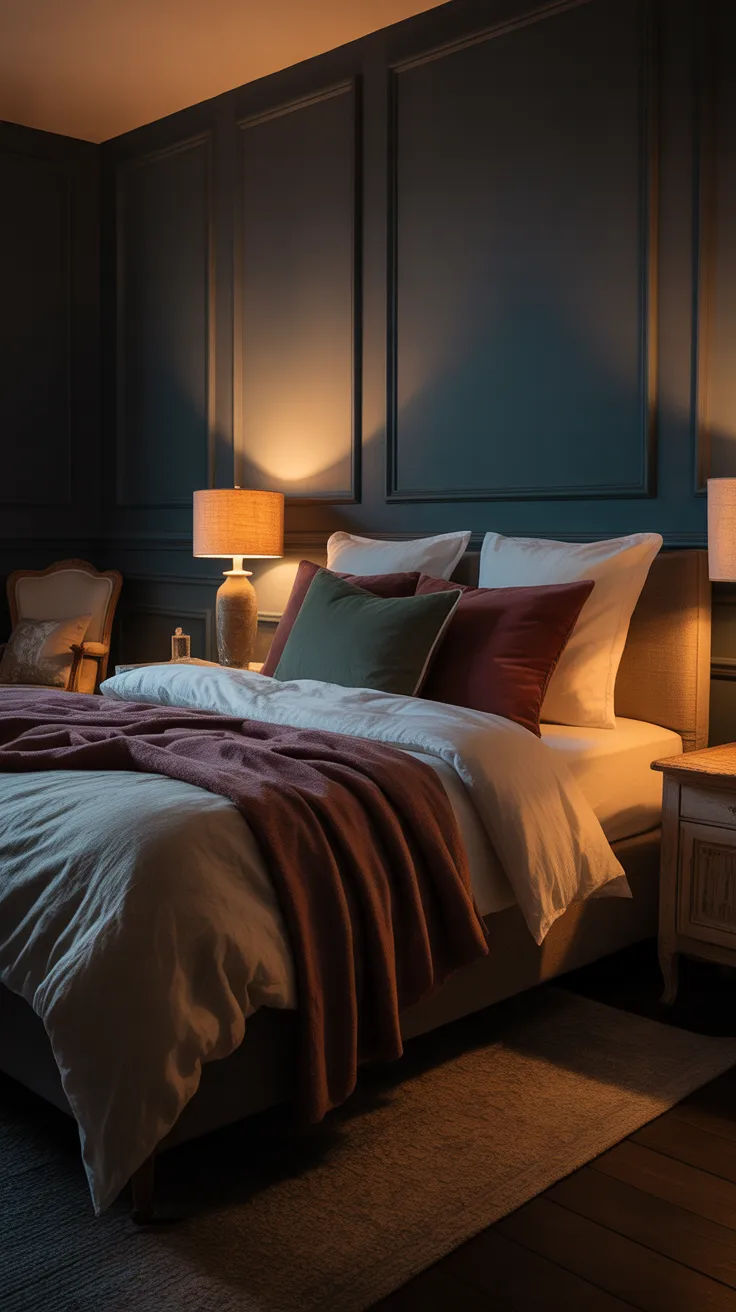
Color is the foundation of a moody bedroom, and darker tones are what give the space its signature depth. Instead of stark black, opt for colors that feel warm and enveloping — charcoal, deep green, chocolate brown, burgundy, or muted plum.
- 14 Linen Closet Organization Ideas With Storage Baskets and Bins for a Tidy, Clutter-Free Space
- 13 Modern Living Room Luxury-Looking Curtain Designs That Make Your Home Look Expensive
- 13 Modern Sunroom Kitchen Designs for a Bright Breakfast
- Walk-In Closet Ideas: 13 Stylish and Practical Designs
- Modern Driveway Planters: 13 Stylish Ideas to Upgrade Your Entrance
These shades work best when they’re matte or softly textured, absorbing light rather than reflecting it. To keep the room from feeling too enclosed, balance dark walls with lighter bedding, warm wood furniture, or subtle metallic accents. The goal is contrast that feels gentle, not jarring.
Using Lighting to Set the Emotional Tone
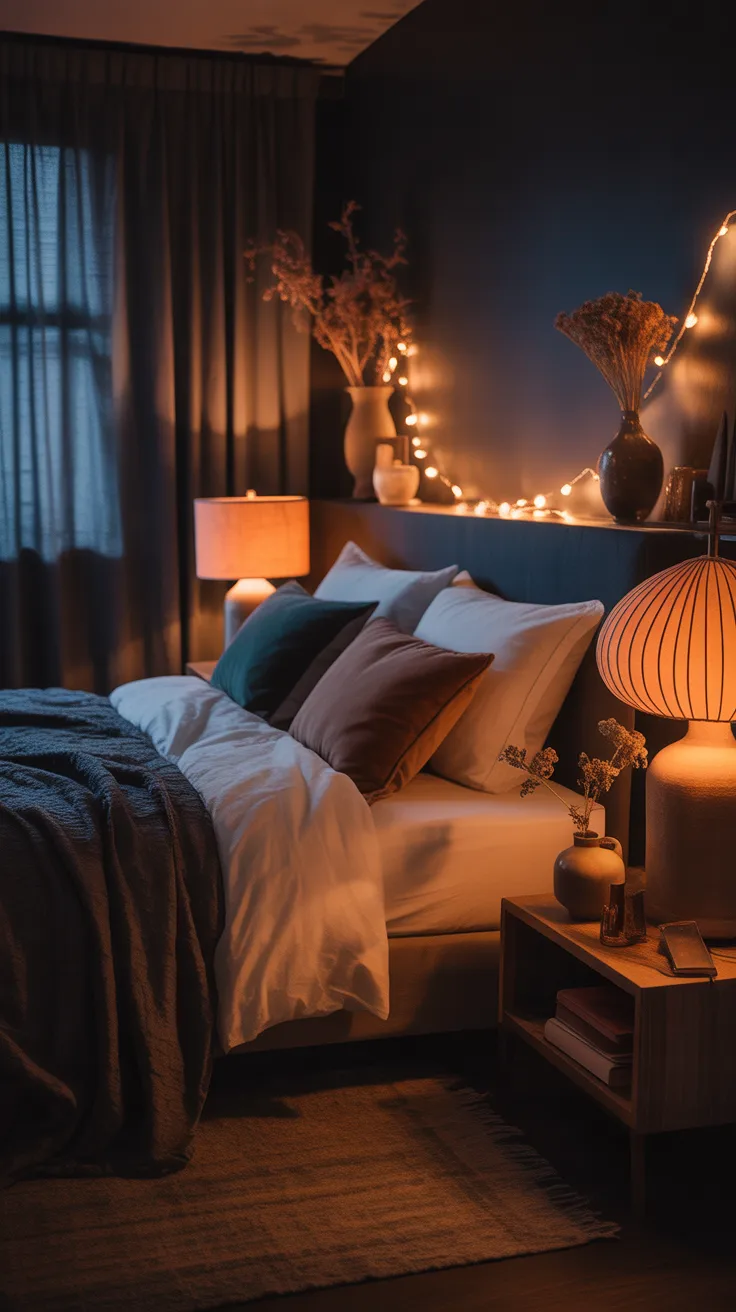
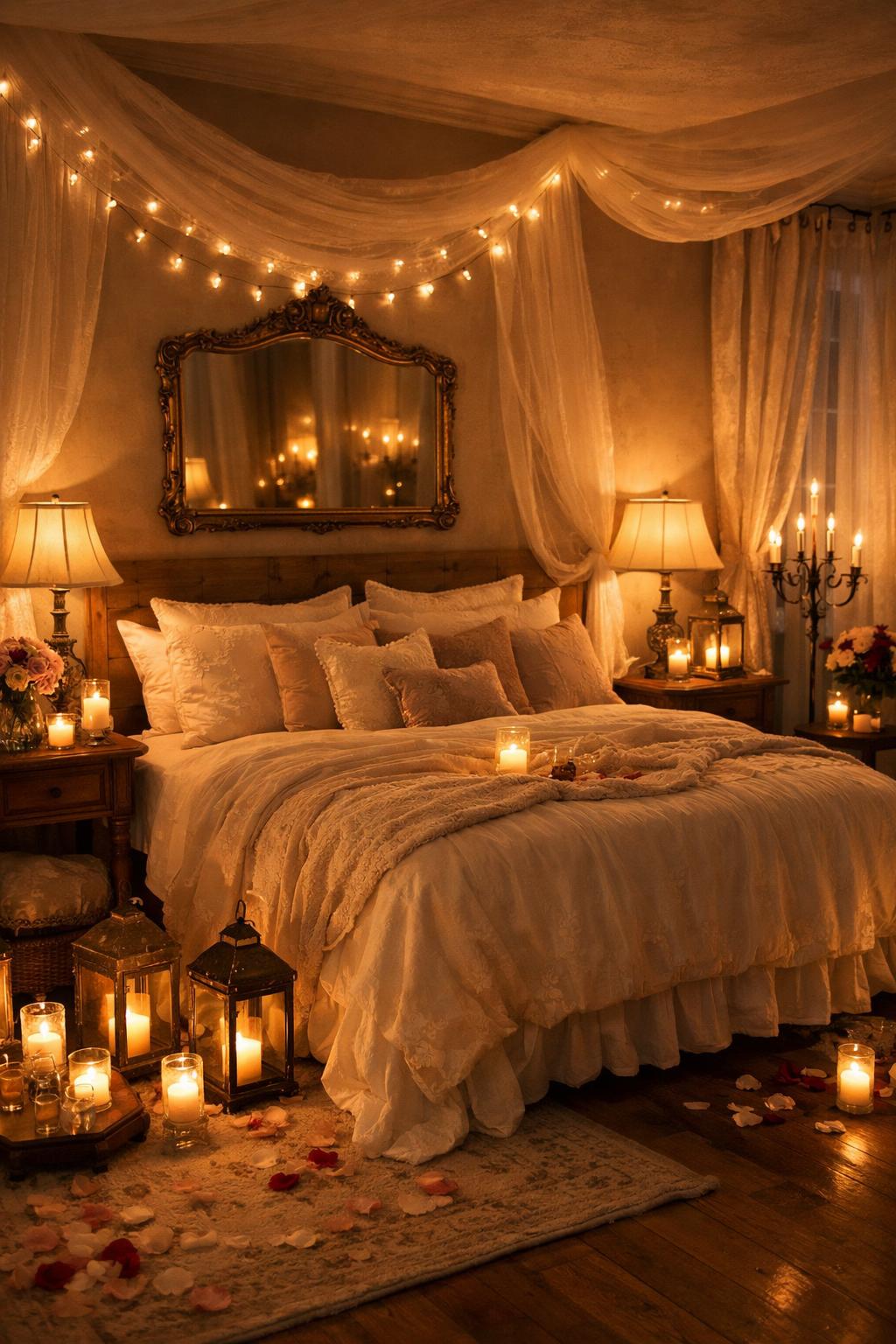
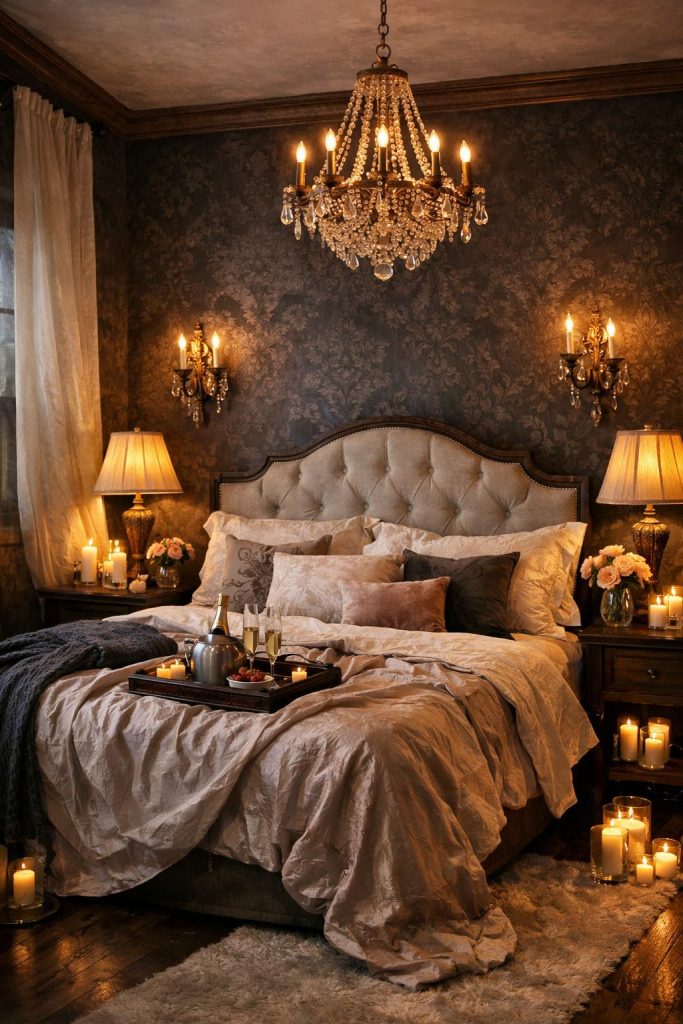
Lighting is what turns a dark bedroom from dramatic to romantic. Overhead lights alone tend to flatten the space, so the focus should be on low, layered light sources that create a soft glow.
Table lamps, wall sconces, and small accent lights instantly make a room feel more intimate. Warm bulbs are essential — anything too white or cool will break the mood. Fabric or frosted shades help diffuse light so it feels gentle and inviting rather than harsh.
Candles, whether real or LED, add movement and warmth that no fixture can replicate.
Creating Romance Through Bedding and Layers
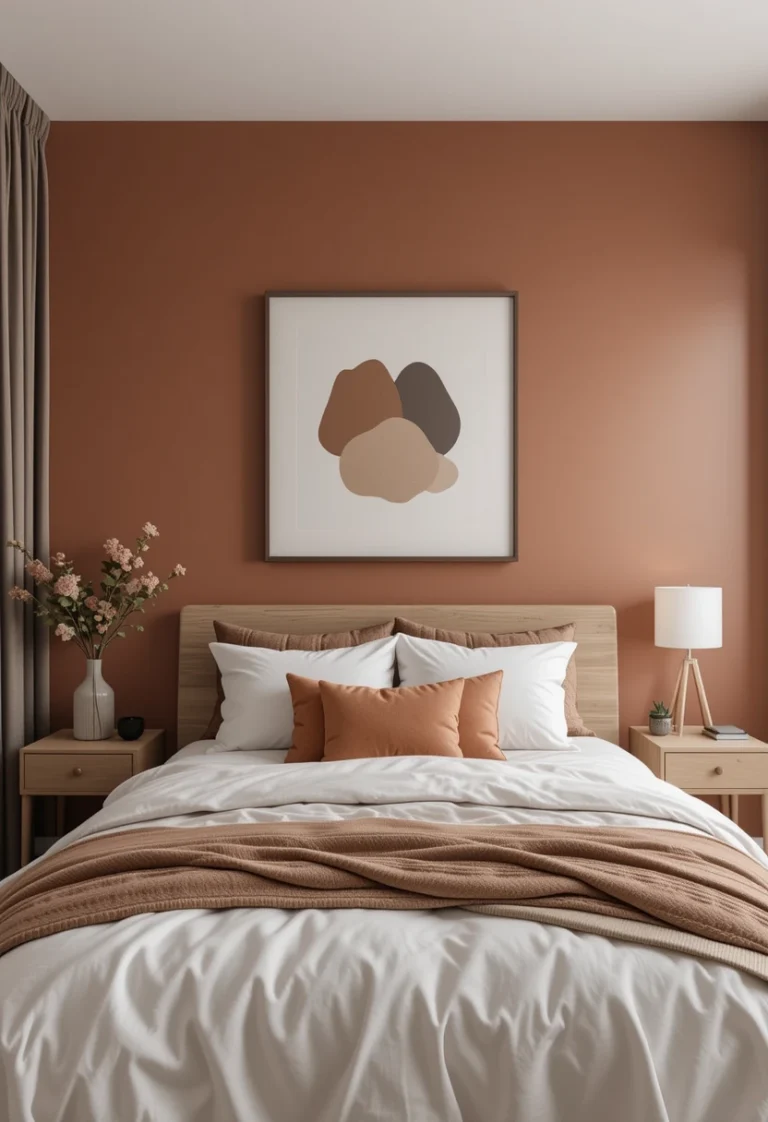
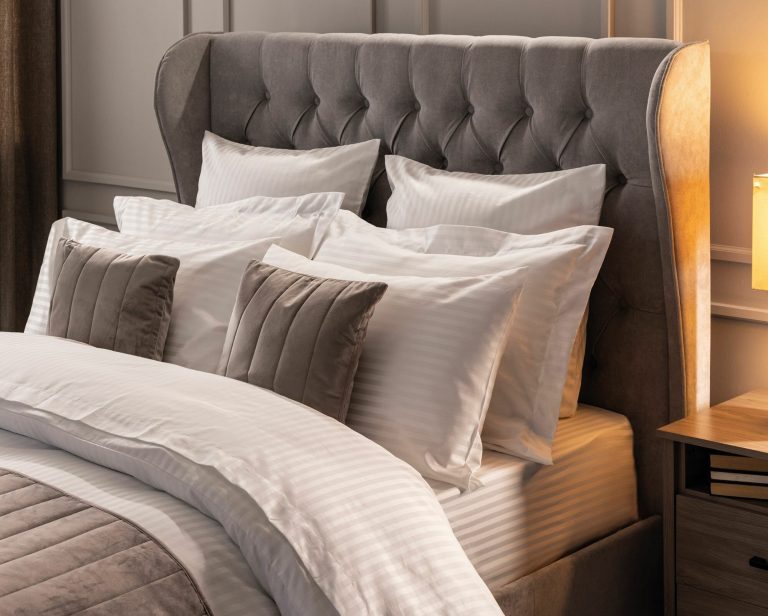
The bed should feel like a place you want to sink into, not something that looks perfectly styled for a catalog. Romantic bedding is layered, textured, and slightly relaxed.
Neutral sheets in warm tones create a soft base, while a textured duvet or quilt adds depth. Throws draped loosely at the foot of the bed introduce movement and comfort. Pillows should feel intentional but not excessive — too many can make the bed feel stiff instead of inviting.
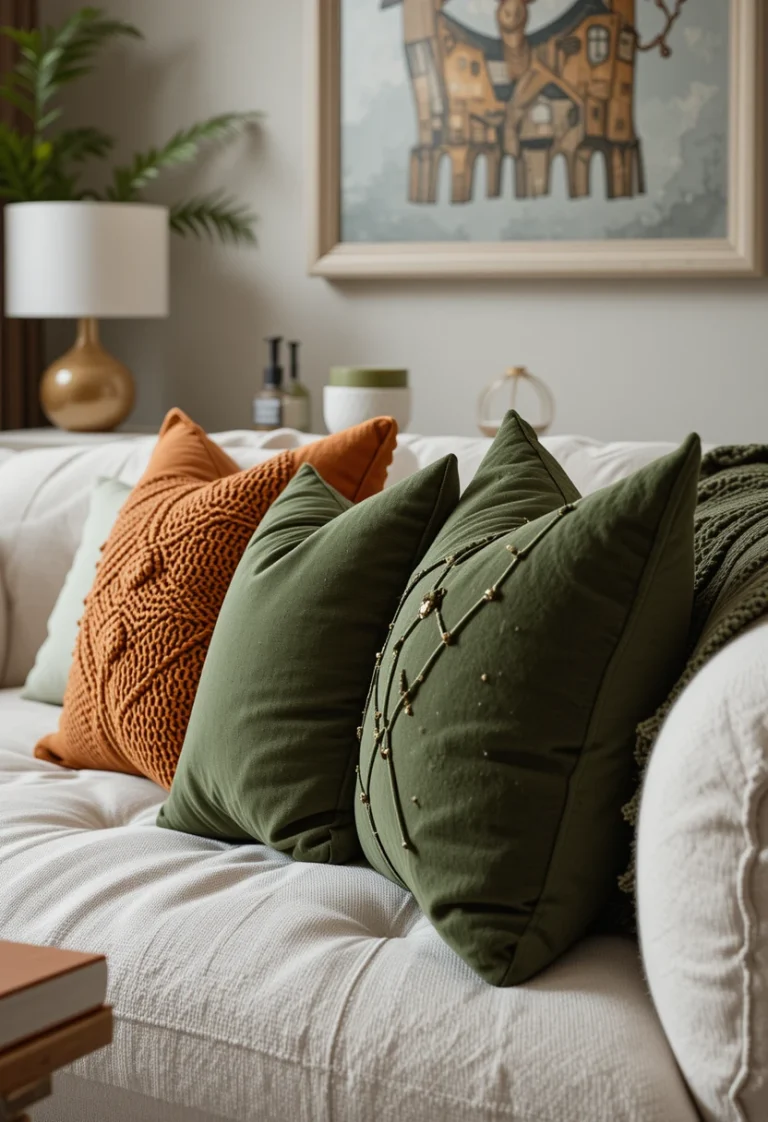
Natural fabrics like linen, cotton, and subtle velvet accents work especially well, adding richness without looking fussy.
Adding Depth With Texture and Materials
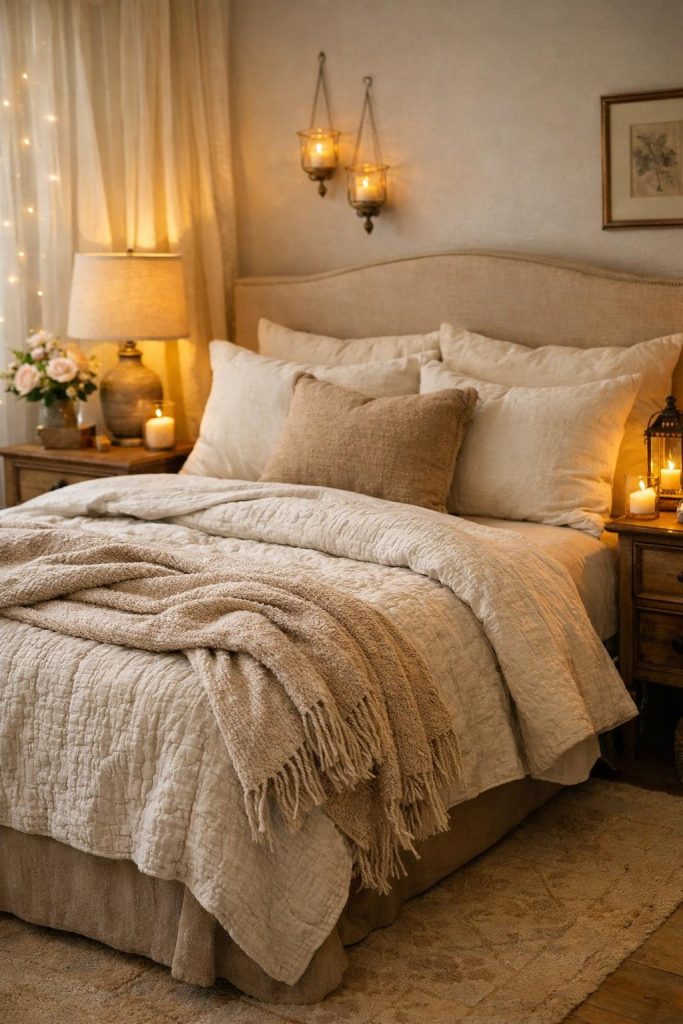
Texture is what keeps dark bedrooms from feeling flat. A moody romantic space should feel rich to the eye and comforting to the touch.
Velvet headboards, linen curtains, raw wood furniture, woven rugs, and aged metal details all contribute to a layered look. The most successful rooms mix smooth and rough finishes — soft bedding against solid wood, plush upholstery next to matte walls.
This contrast creates visual interest without clutter.
Furniture in a moody romantic bedroom should feel substantial. Lightweight or overly modern pieces can disrupt the atmosphere and make the room feel unfinished.
Beds with upholstered or wooden frames anchor the space, while solid nightstands add balance. Rounded edges, classic silhouettes, and natural finishes work better than glossy surfaces or ultra-sharp lines. Each piece should feel calm and intentional, even if the room itself is minimal.
Choosing Furniture That Feels Grounded
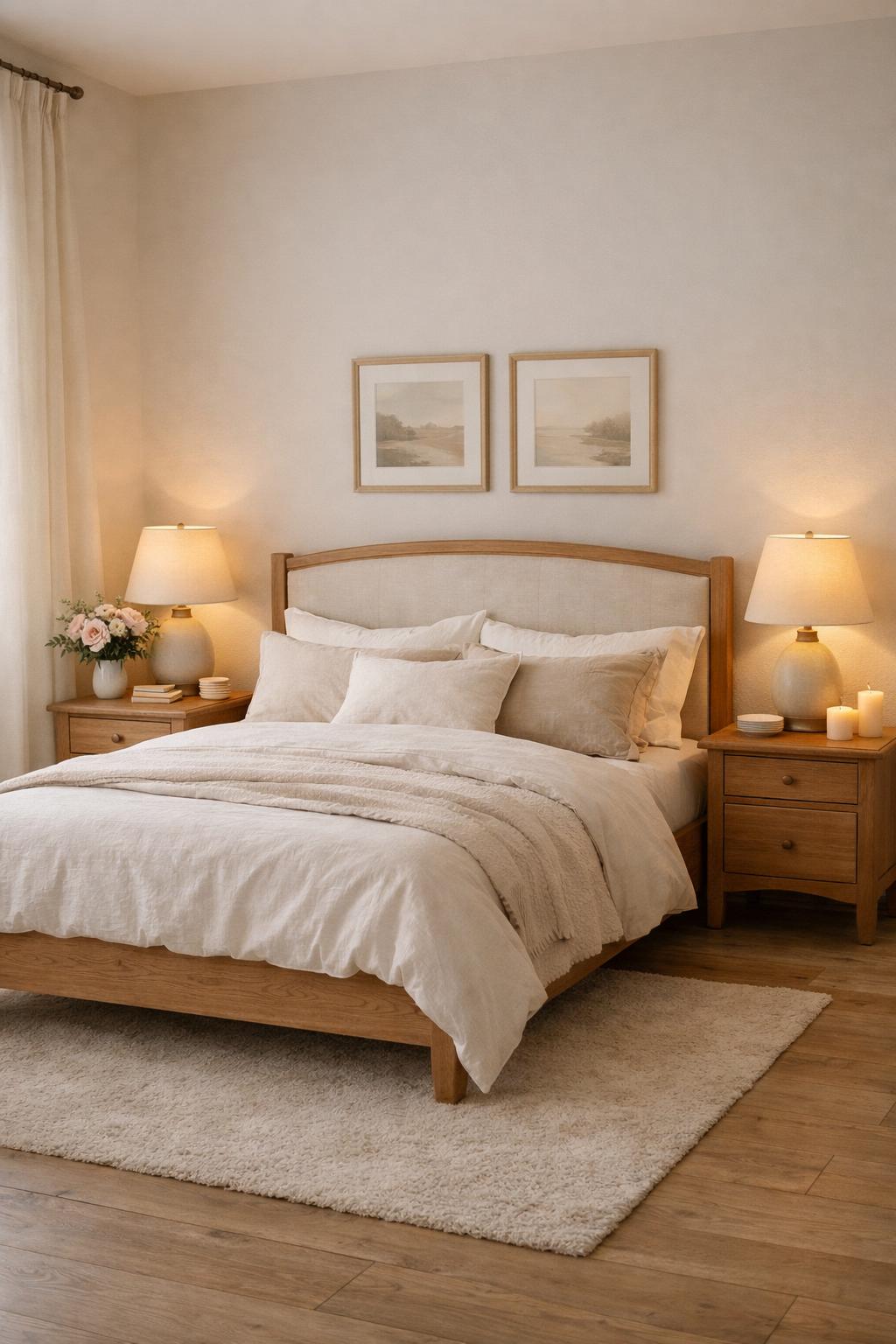
Furniture in a moody romantic bedroom should feel substantial. Lightweight or overly modern pieces can disrupt the atmosphere and make the room feel unfinished.
Beds with upholstered or wooden frames anchor the space, while solid nightstands add balance. Rounded edges, classic silhouettes, and natural finishes work better than glossy surfaces or ultra-sharp lines. Each piece should feel calm and intentional, even if the room itself is minimal.
Styling Walls With Intention
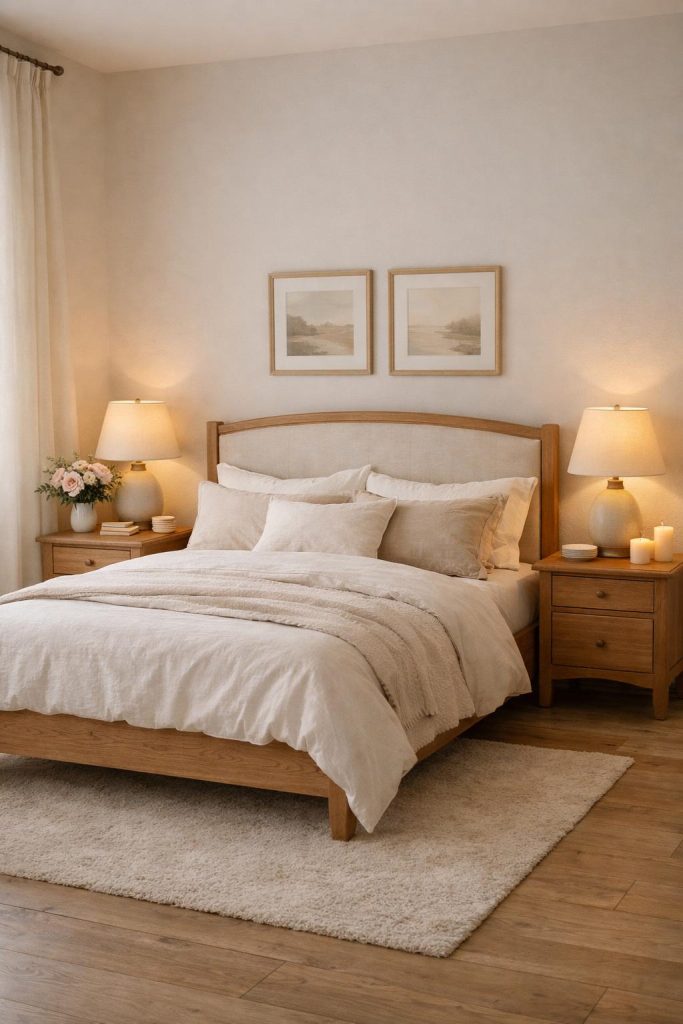
Walls are an opportunity to deepen the mood without adding clutter. Dark paint is an obvious choice, but texture can be just as impactful. Wallpaper with subtle patterns, wood paneling, or plaster finishes add dimension and softness.
If committing to dark walls feels overwhelming, focusing on the wall behind the bed is an easy way to introduce drama while keeping the room balanced.
Decor That Feels Personal, Not Overdone
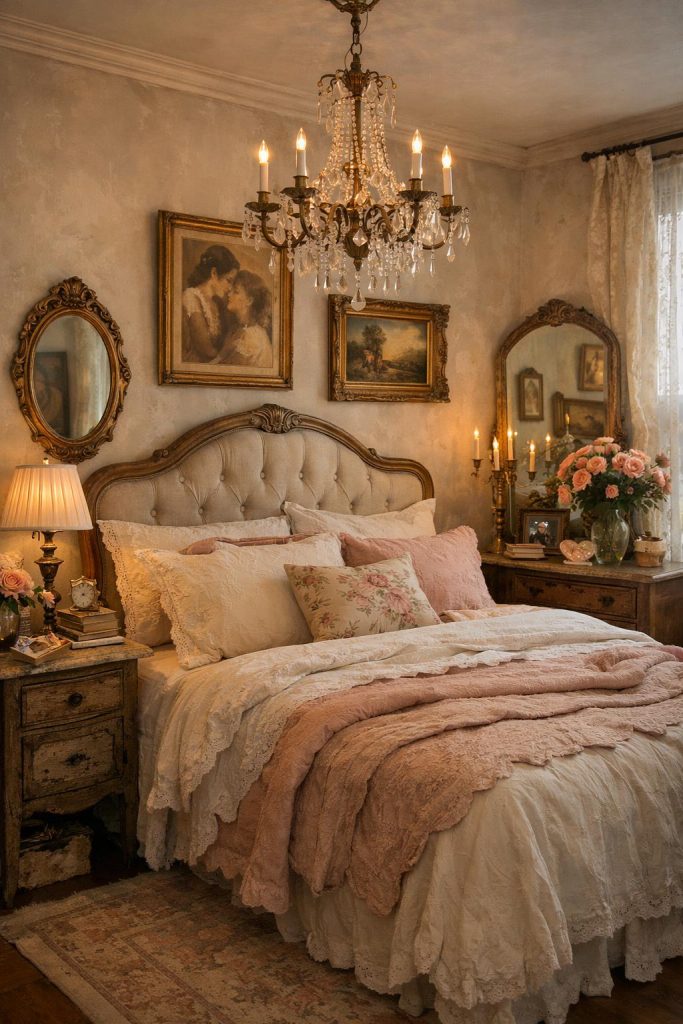
Romance lives in details that feel collected over time. Art with emotional weight, vintage objects, mirrors with soft edges, and small decorative accents bring character without overwhelming the space.
Leaving negative space is just as important as decorating. A moody romantic bedroom should breathe — too many objects dilute the feeling and make the room feel busy instead of intimate.
The Sensory Layer That Completes the Space
The final layer of a romantic bedroom goes beyond visuals. Soft scents like amber, vanilla, or sandalwood deepen the atmosphere. Curtains that move gently with air, plush rugs underfoot, and even subtle background sound all contribute to how the room feels.
These elements are often overlooked, but they’re what turn a styled room into a true retreat.
A Brief Conclusion
A moody romantic bedroom isn’t about perfection — it’s about feeling. When color, light, texture, and restraint work together, the space becomes deeply personal and calming. Focus on warmth, softness, and intention, and let the room evolve naturally over time. That’s where the romance truly lives.