How to Declutter Your Wardrobe
Your wardrobe should make getting dressed feel easy—not like a daily battle with hangers, piles, and “what if I wear this someday” pieces. If opening your closet feels overwhelming, it’s usually not about needing more space—it’s about needing less stuff and better systems. Decluttering doesn’t mean throwing everything away or becoming a minimalist overnight. It’s about curating a wardrobe that actually works for your lifestyle right now. Let’s walk through practical, realistic ways to make that happen—without the stress.
Start With a Clear Vision
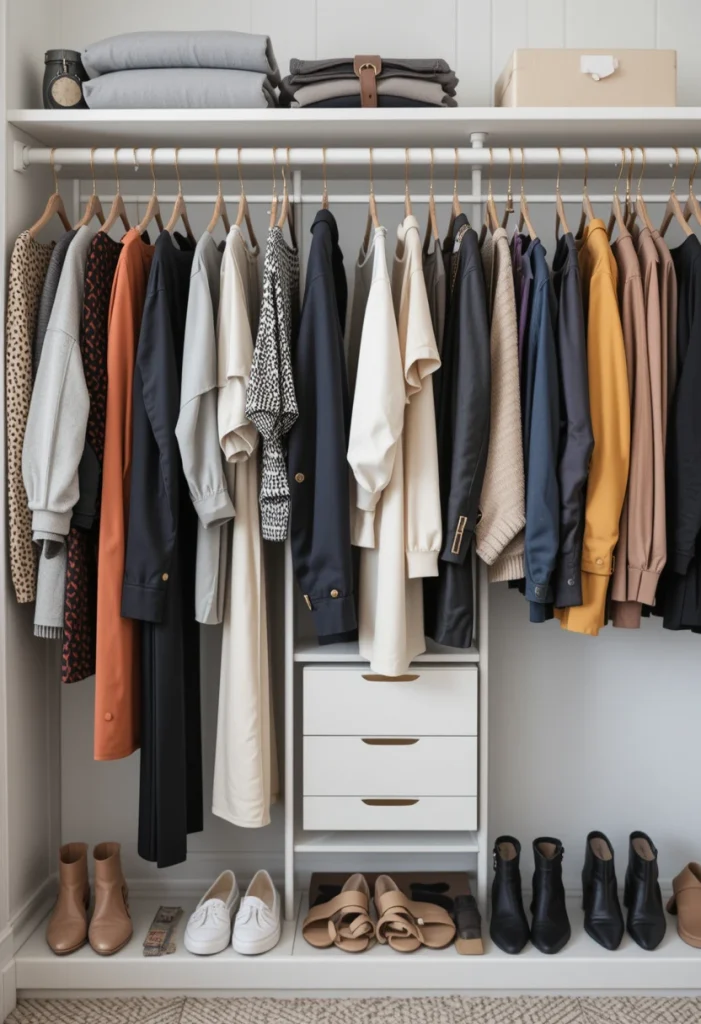
Before you touch a single hanger, you need to know what you’re aiming for.
Picture your ideal wardrobe: maybe it’s simple, stylish, easy to mix and match, or filled with pieces you genuinely love. This mental image helps you make faster decisions because you’re no longer guessing—you’re comparing everything to a clear goal. A defined vision reduces decision fatigue, which is usually the biggest reason people quit halfway through decluttering. For example, if your goal is a neutral, versatile wardrobe, that neon top you never wear becomes an easy “no.” When you know what you want, letting go feels less emotional and more practical.
Pull Everything Out First

Yes, everything—and there’s a reason for this slightly chaotic step.
Taking all your clothes out forces you to confront how much you actually own. It also stops you from skipping items hiding in the back of your closet. Seeing everything in one place creates awareness, and awareness is what drives change. Most people are surprised by duplicates or forgotten items they didn’t even remember buying. That moment of “wow, I have a lot” is exactly what motivates better decisions moving forward.
Sort Into Clear Categories
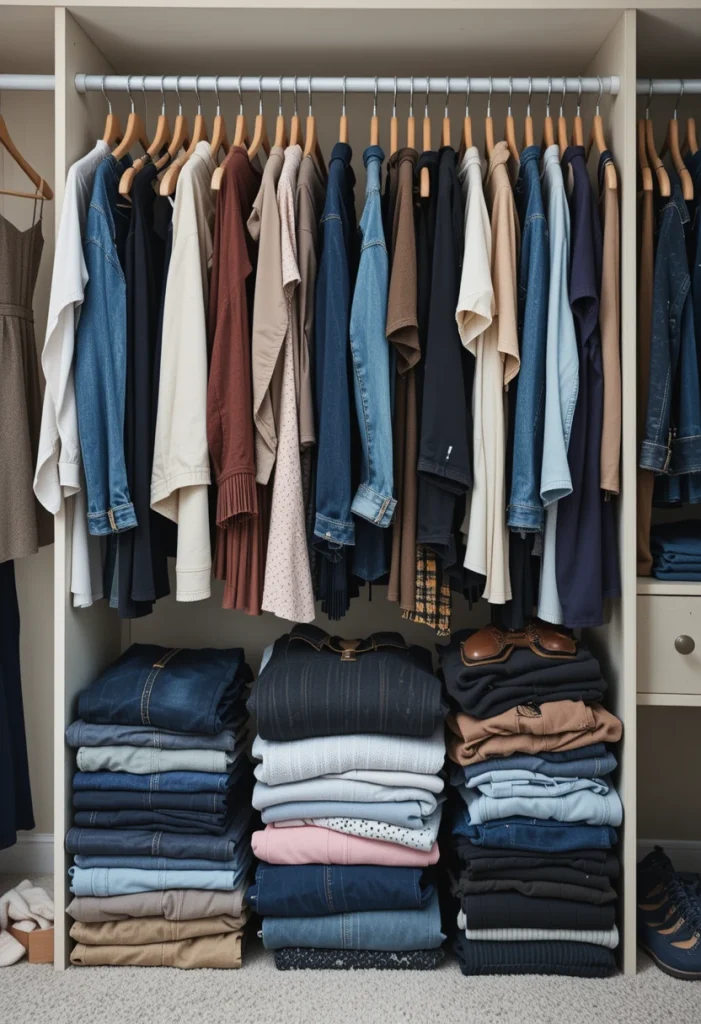
Random piles lead to random decisions, so give your process structure.
Group your clothes into categories like tops, jeans, dresses, outerwear, and shoes. This helps you compare similar items side by side, making it easier to spot duplicates or unnecessary pieces. Decluttering by category creates clarity and speeds up decisions because you’re not jumping between completely different types of clothing. For example, when all your jeans are in one pile, it becomes obvious which ones you actually wear. This method also ensures you don’t accidentally keep five versions of the same thing.
Be Honest About What You Actually Wear
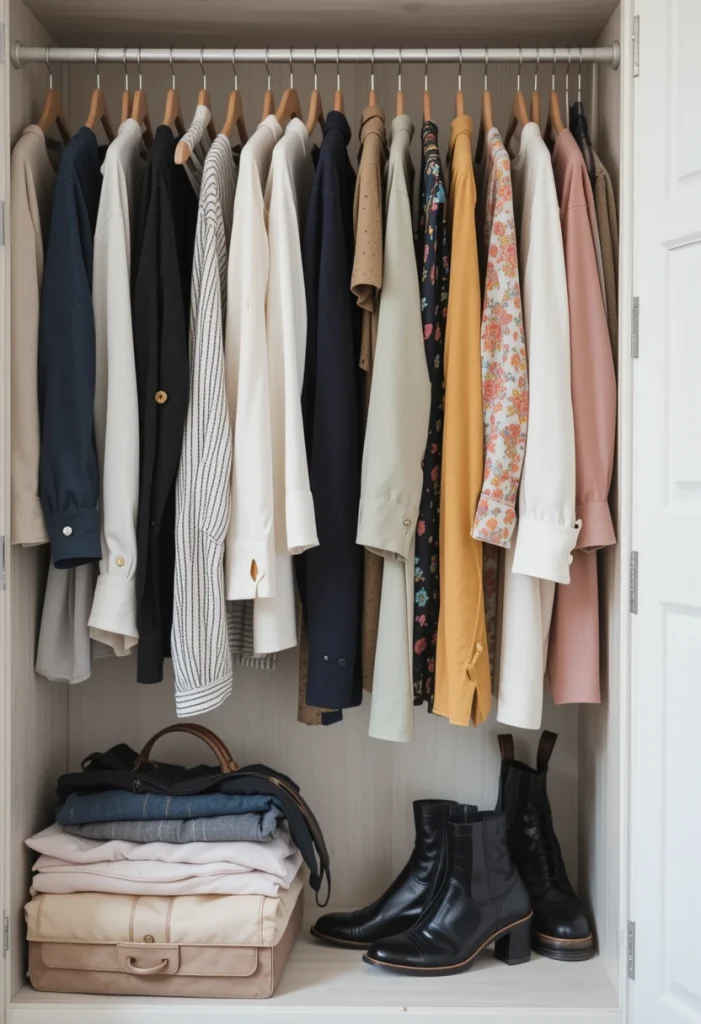
This is where things get real—and where progress happens.
If you haven’t worn something in the last year, there’s usually a reason. Maybe it doesn’t fit right, isn’t comfortable, or just doesn’t feel like “you” anymore. Your wardrobe should reflect your current life, not your past or imagined future. Holding onto “just in case” pieces often creates clutter without adding value. A good test: if you wouldn’t choose it today, it probably doesn’t belong in your closet.
Let Go of “Someday” Clothes
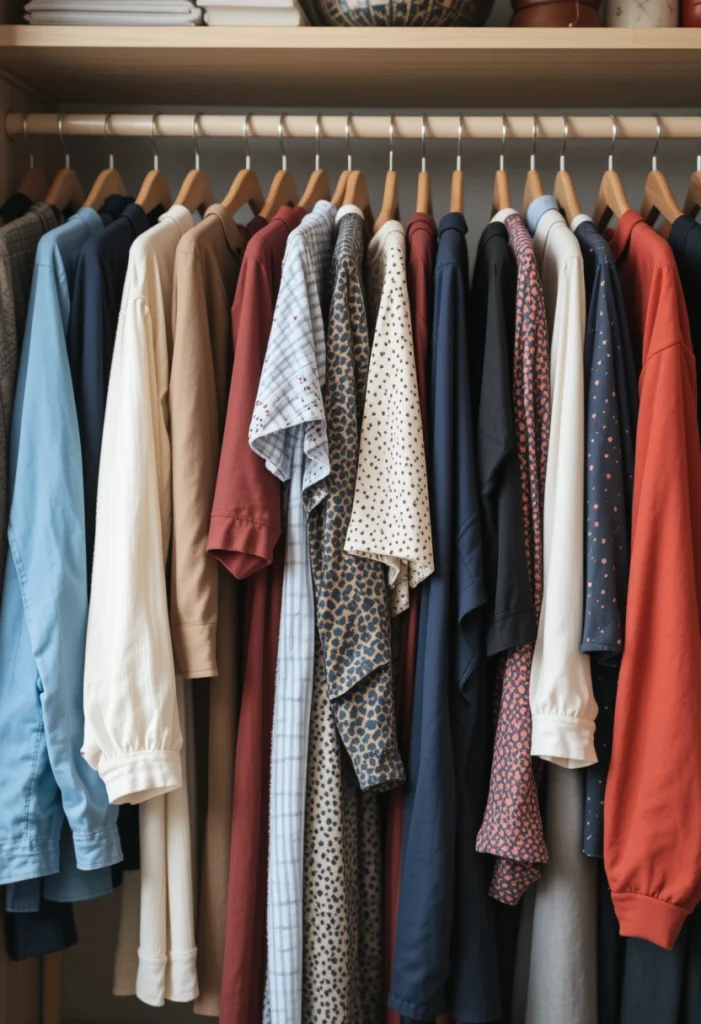
We all have them—the “I’ll wear this when…” items.
Whether it’s clothes that are too small, too formal, or tied to a different lifestyle, these pieces often take up the most space. The truth is, keeping them doesn’t bring you closer to that version of your life—it just adds pressure. If your situation changes, you can always find something new that fits better. Letting go of “someday” clothes frees both physical and mental space. Your wardrobe should support who you are now, not who you might be years from today.
Create a Keep, Donate, and Maybe System

You don’t need to make every decision instantly—give yourself options.
Set up three piles: keep, donate, and maybe. The “maybe” pile is especially helpful for items you’re unsure about. This system reduces overwhelm and keeps momentum going, which is key during decluttering. After a few days, revisit your “maybe” items with fresh eyes. Most of the time, you’ll realize you don’t actually miss them.
Focus on Fit and Comfort First

Style matters, but comfort is what determines whether you actually wear something.
If an item is too tight, too loose, or just feels off, it’s likely to stay unworn. Clothes that don’t fit well create hesitation, and hesitation leads to clutter. Even beautiful pieces lose their value if they don’t feel good on your body. For example, those jeans that require constant adjusting? They’re not worth the space. Prioritize clothes that make you feel confident and comfortable without effort.
Keep Versatile Pieces

Your wardrobe should work like a team, not a collection of random individuals.
Versatile items can be styled in multiple ways and paired with different pieces. Think neutral tops, classic jeans, or simple dresses that can be dressed up or down. The more outfits you can create with fewer items, the more efficient your wardrobe becomes. This doesn’t mean everything has to be basic—it just means it should be functional. A smaller, versatile wardrobe often feels bigger than a cluttered one.
Limit Duplicates
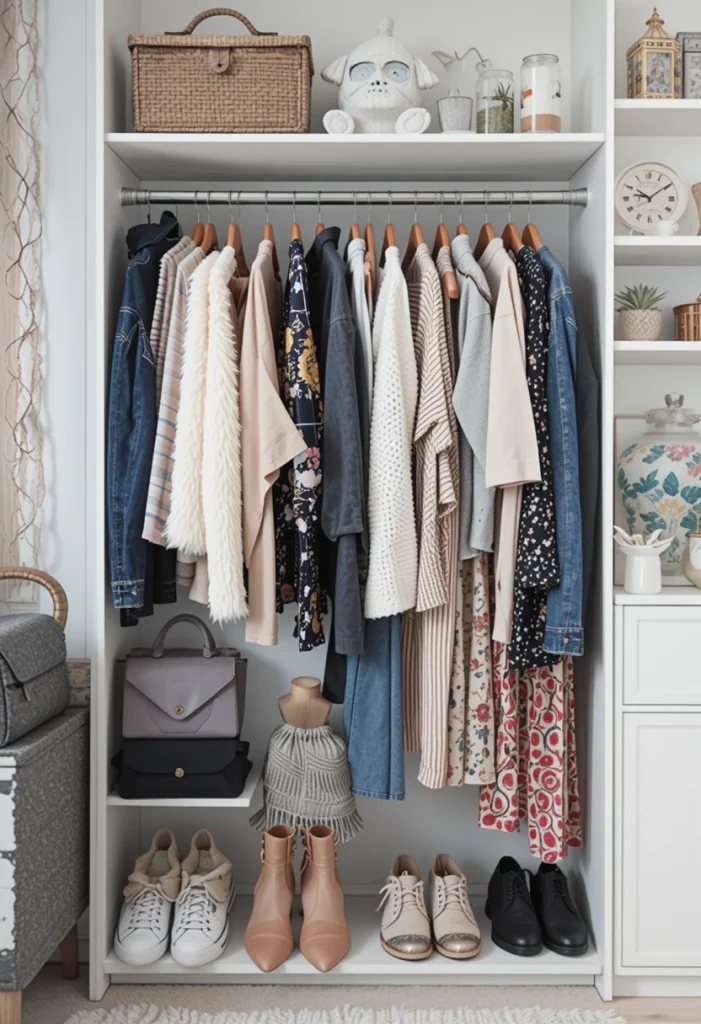
We all have that one category we overbuy—black tops, denim, or jackets.
Having options is great, but too many similar items creates confusion instead of convenience. Duplicates dilute your wardrobe’s usefulness because you end up wearing the same few favorites anyway. When you find multiple versions of the same item, keep the best one or two and let the rest go. This instantly creates space without sacrificing style. Quality over quantity always wins here.
Use the One-Year Rule Wisely

The one-year rule is helpful—but it’s not one-size-fits-all.
If you haven’t worn something in a year, it’s a strong sign it doesn’t belong. However, exceptions exist for seasonal or special-occasion items. The key is to apply the rule thoughtfully, not blindly. For example, a winter coat might not be worn often but is still essential. The goal is to remove unused clutter, not useful items.
Organize What You Keep
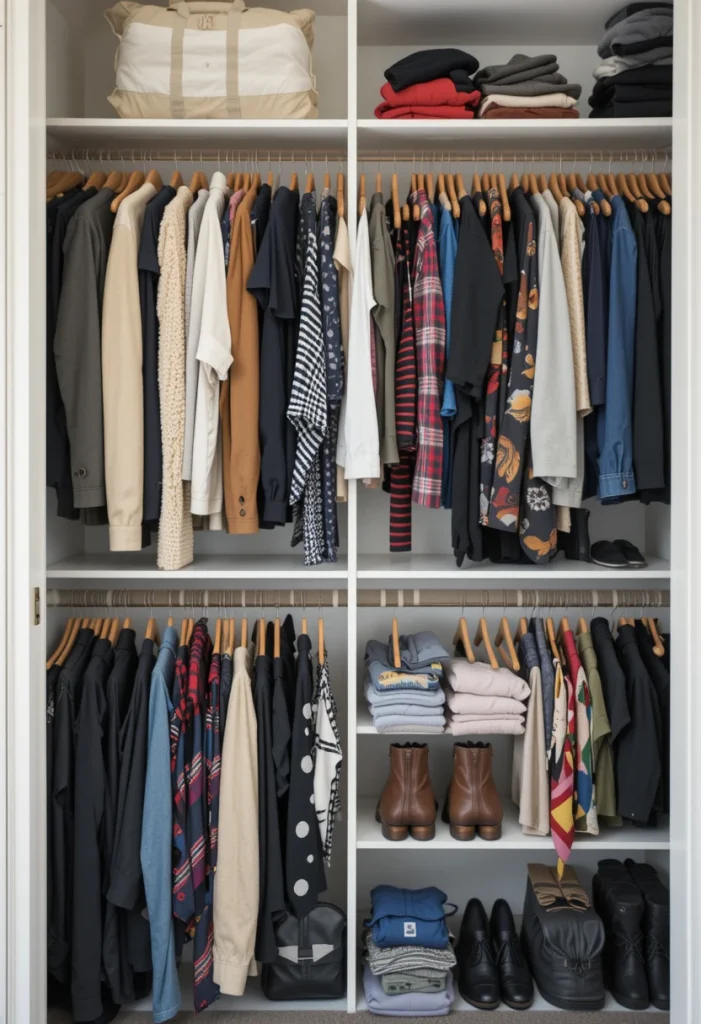
Decluttering is only half the job—organization keeps it that way.
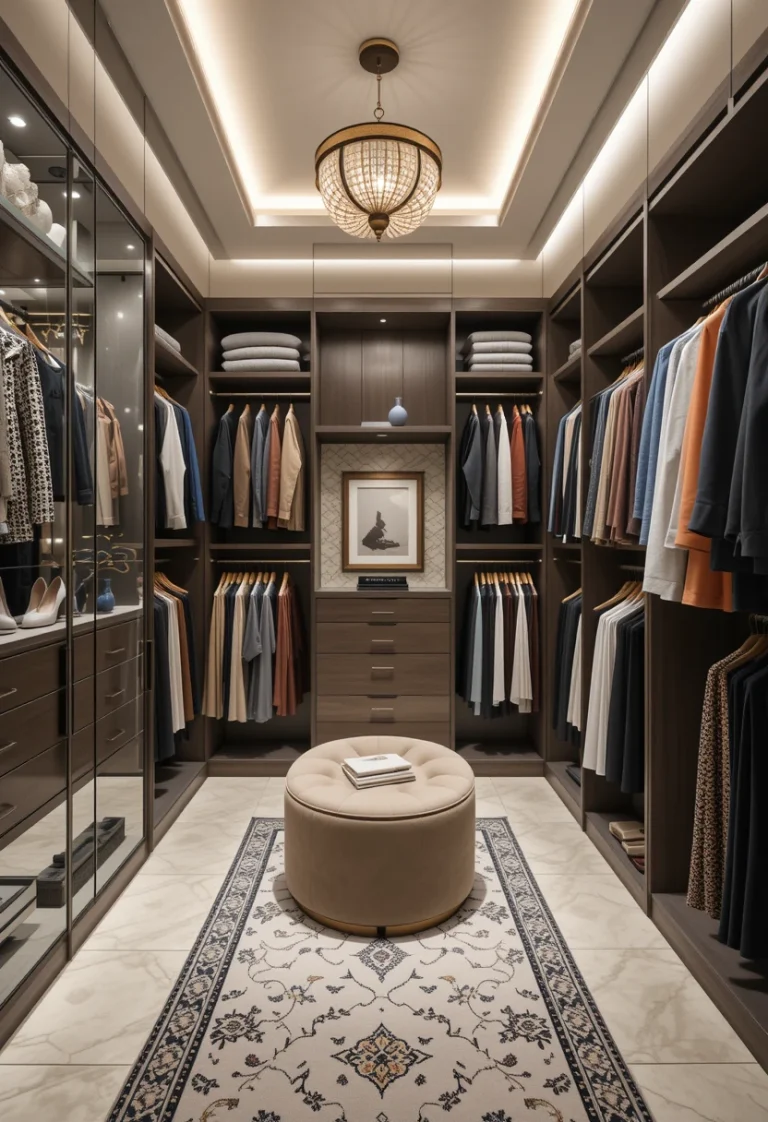
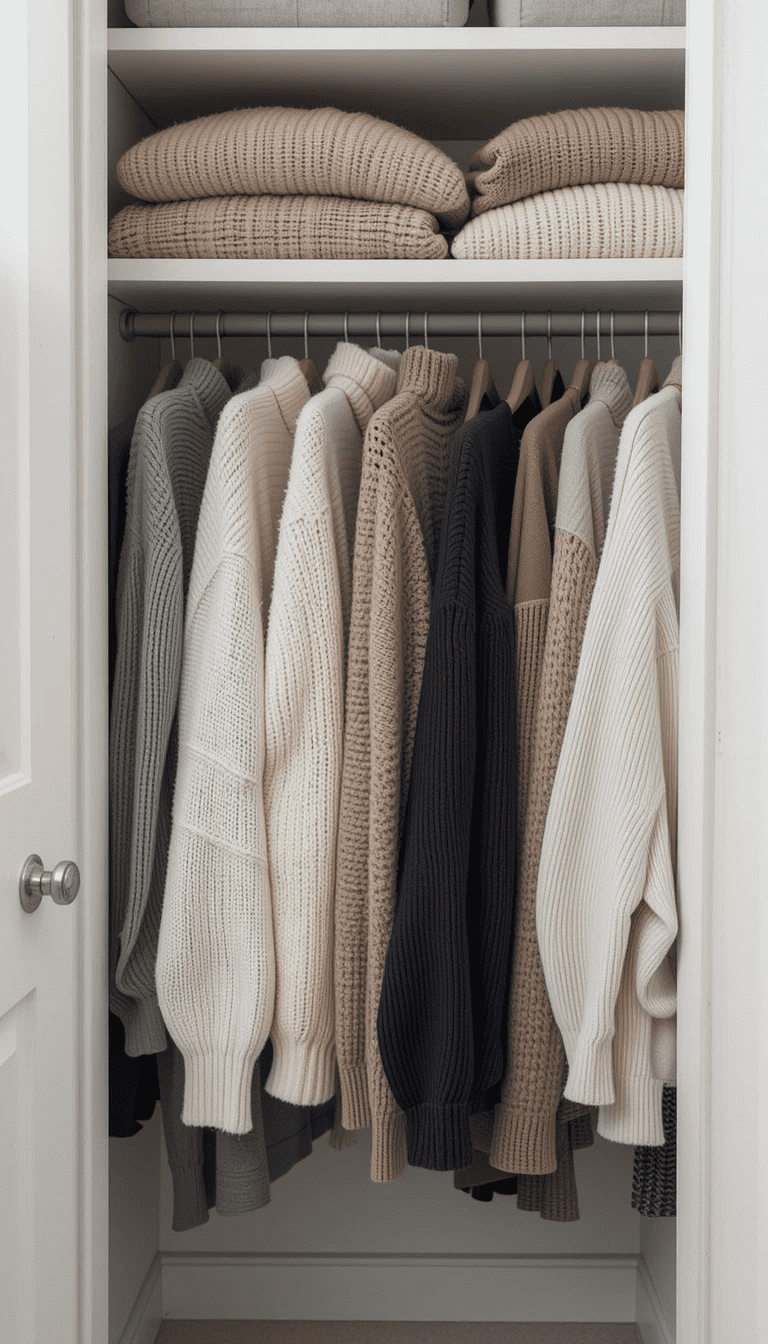
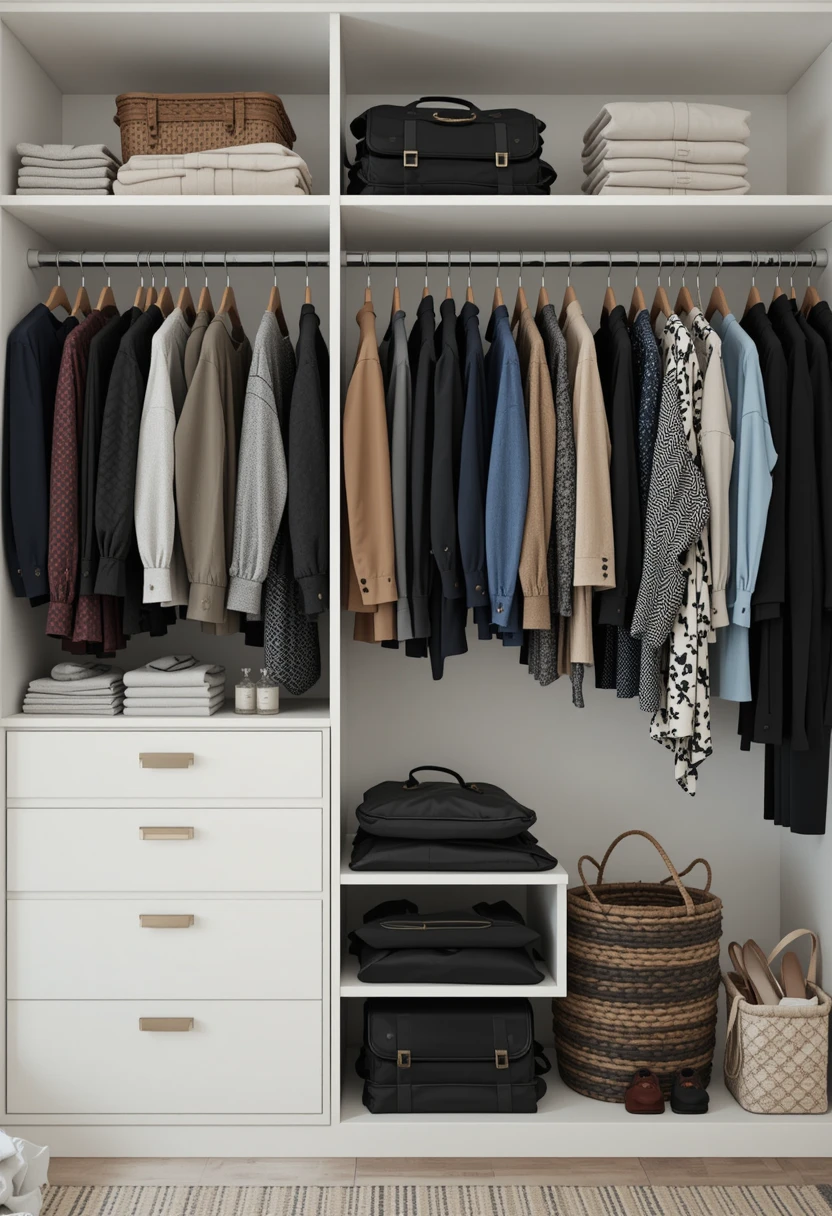
Arrange your clothes in a way that makes sense for your daily routine. You might organize by category, color, or frequency of use. A well-organized wardrobe makes getting dressed faster and more enjoyable. When everything has a place, it’s easier to maintain order. Simple systems often work best because they’re easier to stick to.
Make Space for Breathing Room

A packed closet isn’t a productive closet.
Leaving some empty space makes it easier to see what you own and prevents items from getting lost. Breathing room creates clarity and reduces visual stress. It also gives you flexibility for future additions without immediately creating clutter again. Think of space as part of your wardrobe, not wasted room.
Be Ruthless With Damaged Items
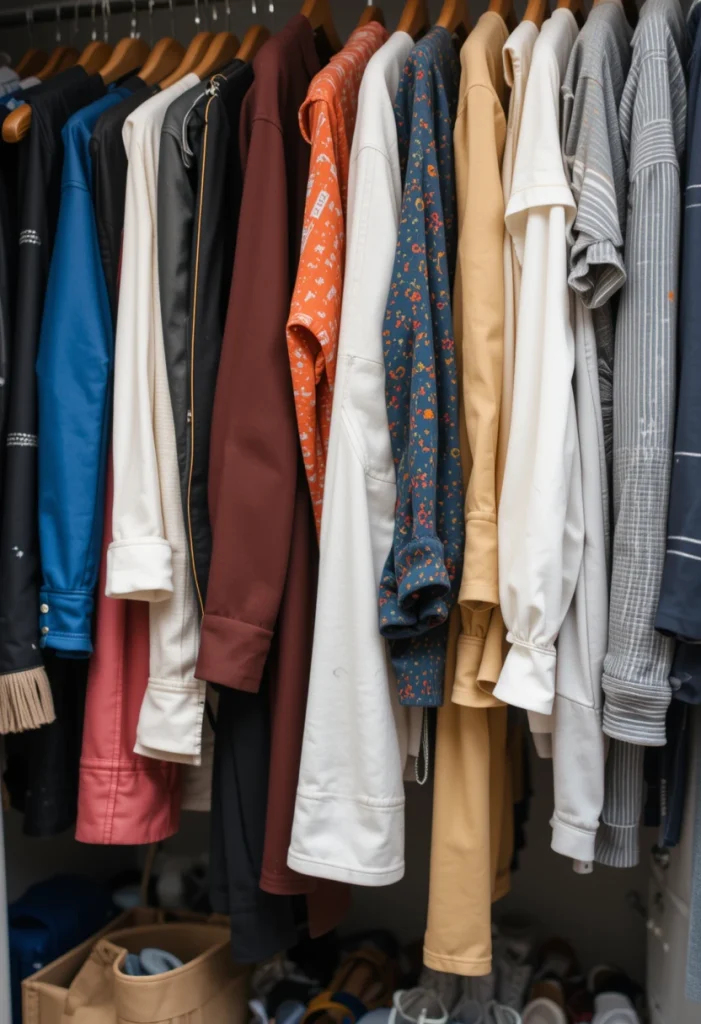
Worn-out clothes rarely deserve a second chance.
If something is stained, stretched, or beyond repair, it’s time to let it go. Keeping damaged items lowers the overall quality of your wardrobe and makes it feel more cluttered than it actually is. If you’ve been meaning to fix something for months and haven’t, that’s your answer. Letting go creates room for pieces you’ll actually wear.
Try the Hanger Trick

This is a simple but powerful way to track what you wear.
Turn all your hangers in one direction, and after wearing something, turn it back the other way. Over time, you’ll clearly see which items you never touch. This method provides real data instead of guesswork, making future decluttering sessions much easier. It’s especially helpful if you struggle with decision-making. Your habits will tell you the truth.
Declutter in Short Sessions
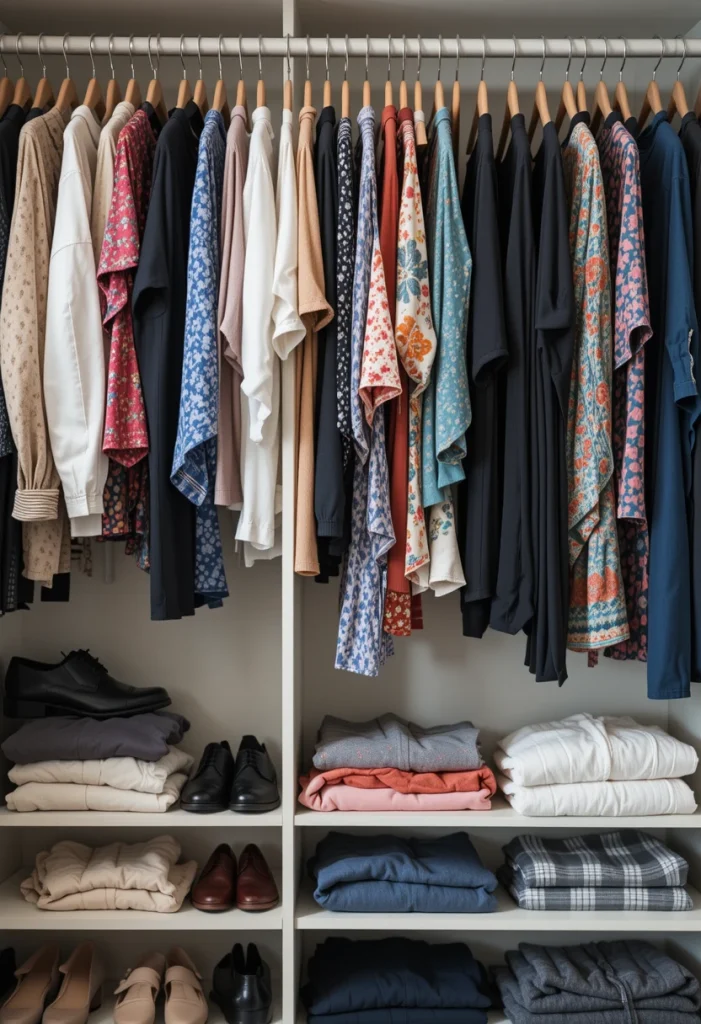
You don’t need to do everything in one exhausting day.
Breaking the process into smaller sessions makes it more manageable and less overwhelming. You might focus on one category at a time, like shoes or tops. Short, focused sessions help you stay consistent and avoid burnout. Even 20–30 minutes can make a noticeable difference. Progress adds up quickly when you keep going.
Maintain the System Going Forward
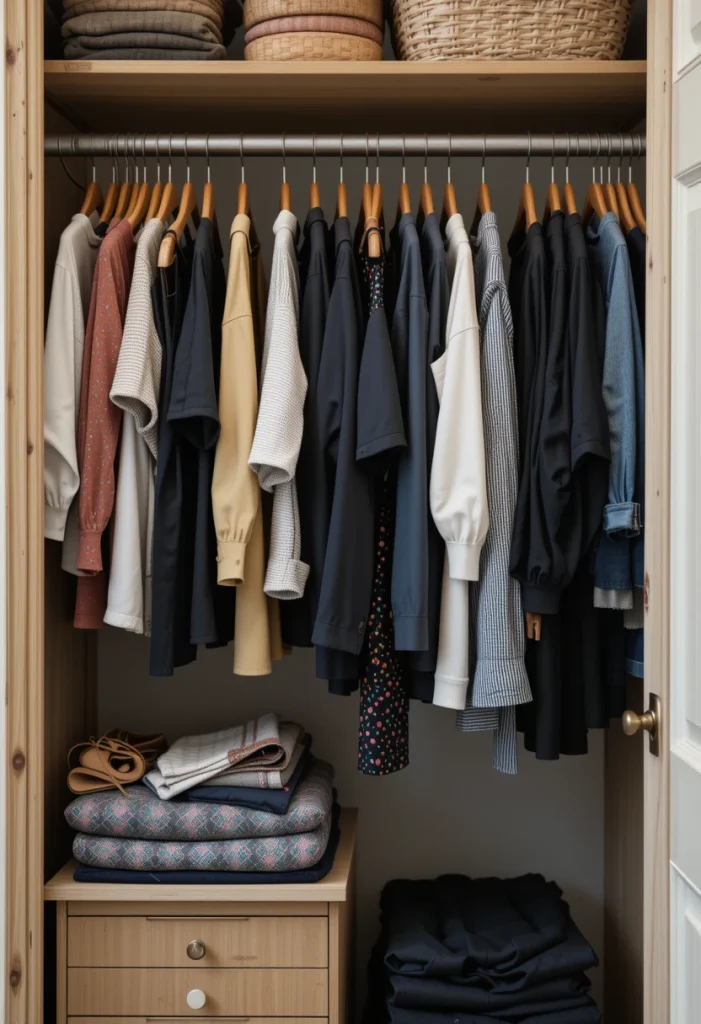
Decluttering isn’t a one-time event—it’s an ongoing habit.
Adopt a simple rule like “one in, one out” to prevent clutter from building up again. Before buying something new, ask yourself if it truly adds value to your wardrobe. Consistency is what keeps your closet functional long-term. Small habits make a big difference over time. The goal is to stay intentional, not perfect.
Conclusion
Decluttering your wardrobe isn’t about getting rid of everything—it’s about making space for what actually works for you. When your closet reflects your style, fits your life, and feels manageable, getting dressed becomes effortless. Start small, stay honest, and focus on progress instead of perfection. A well-edited wardrobe doesn’t just look better—it makes everyday life easier.