How to Organize Kitchen Cabinets for Small Spaces
Last updated on March 27th, 2026 at 12:51 pm
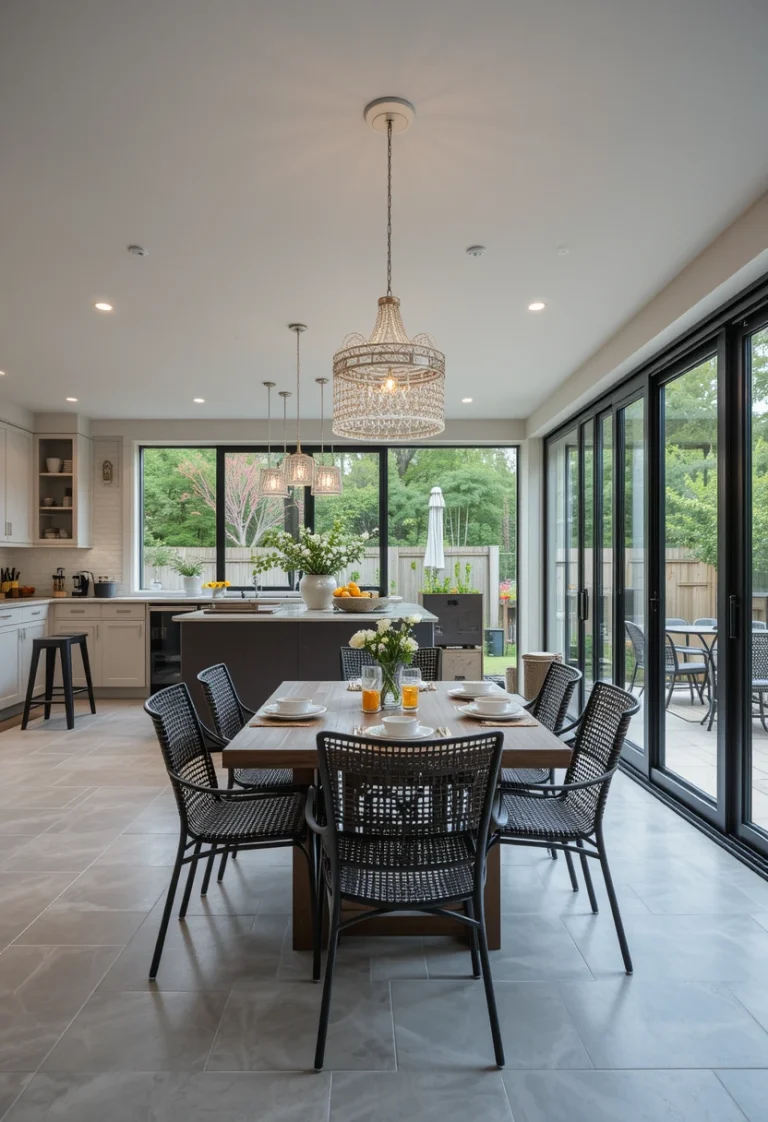
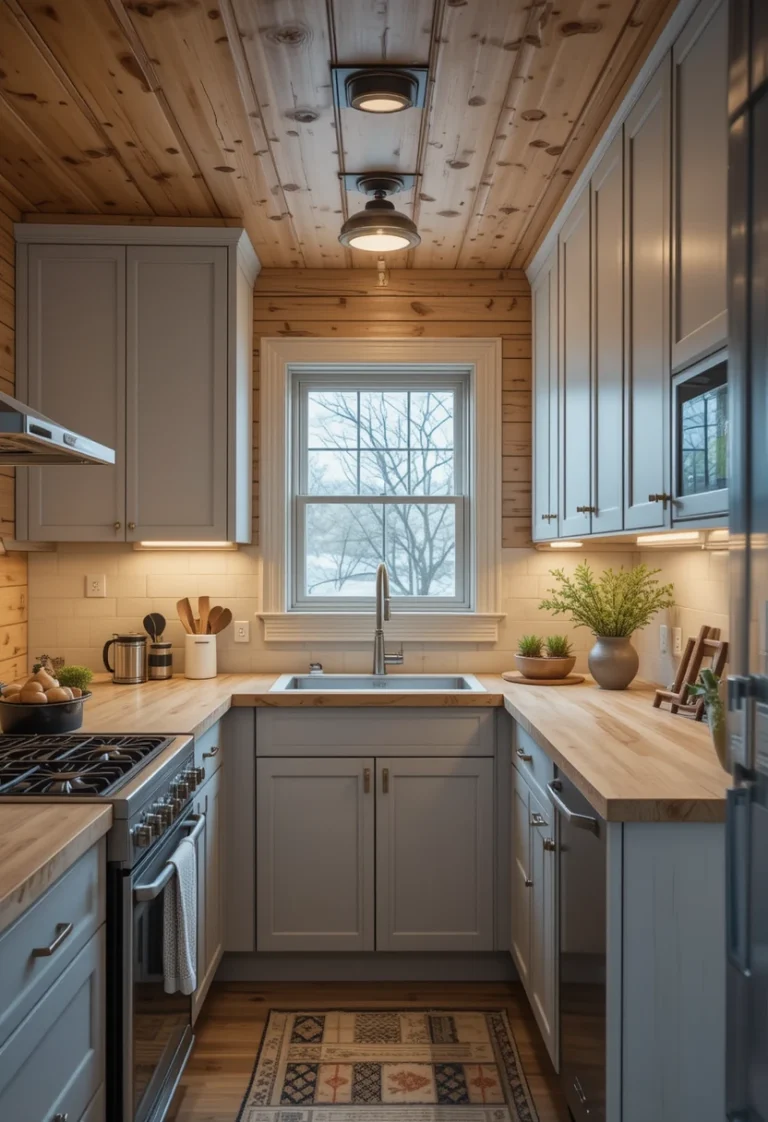
Tiny kitchen? No problem. Small cabinets don’t mean you have to live in daily chaos, digging through mismatched lids and balancing spice jars like a Jenga tower. The truth is, small kitchens can feel incredibly functional — even luxurious — when every cabinet has a clear purpose. The secret isn’t buying more space; it’s organizing the space you already have with intention. Let’s walk through 15 practical, realistic ideas that will transform your small kitchen cabinets from cluttered to calm — counting down to the most impactful strategy.
15. Use Shelf Risers to Double Your Space
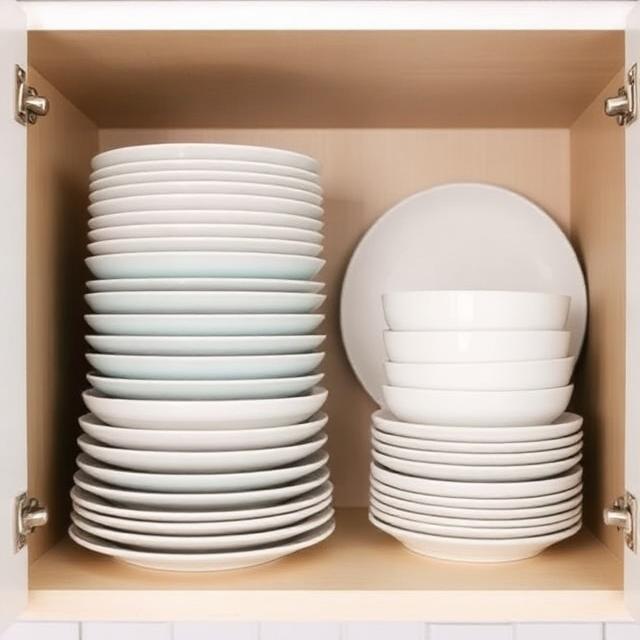
Shelf risers are one of the simplest upgrades you can make inside a cabinet. They instantly create a second level so plates, bowls, or mugs aren’t stacked in unstable towers. In small kitchens, vertical space is often wasted, and risers fix that without tools or renovation. I always recommend using them for everyday dishes because they reduce shuffling and clinking. It’s a tiny change that makes cabinets feel intentionally designed rather than overcrowded.
14. Install Pull-Out Drawer Organizers
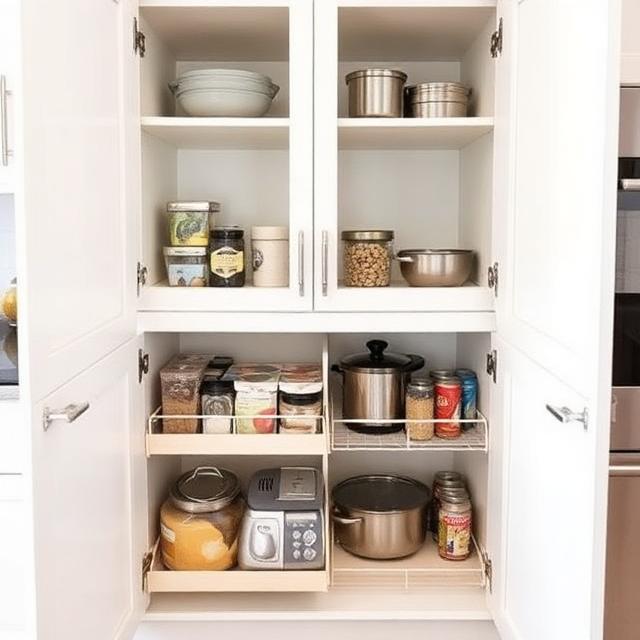
Deep cabinets can become black holes where items disappear. Pull-out organizers solve that instantly by bringing everything forward with one smooth motion. They’re especially helpful for pots, small appliances, or pantry items. Instead of kneeling and digging, you simply slide and grab. In small kitchens, convenience equals efficiency, and efficiency makes the space feel bigger.
13. Add Clear Storage Bins
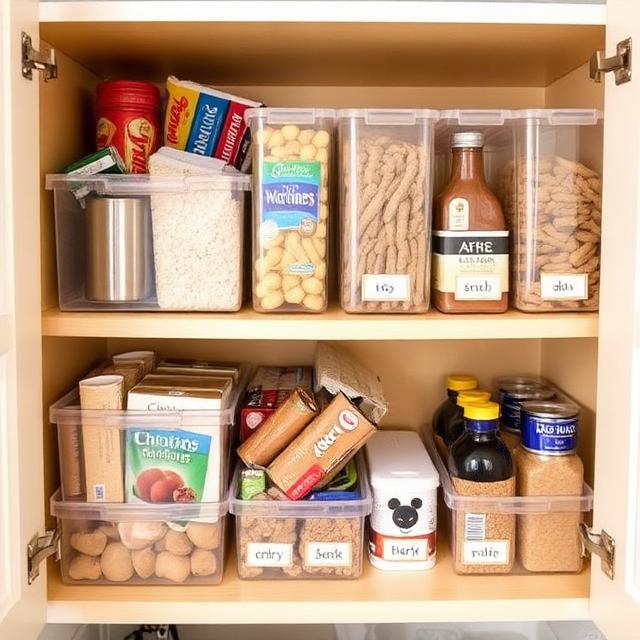
Clear bins keep categories contained while still letting you see what you own. Snacks, baking supplies, and packaged goods stay grouped instead of spreading out across shelves. In a small cabinet, visual clarity reduces that overwhelmed feeling. I love labeling bins for even more structure — it turns chaos into a system. And when everything has a “home,” tidying up becomes effortless.
- 14 Linen Closet Organization Ideas With Storage Baskets and Bins for a Tidy, Clutter-Free Space
- 13 Modern Living Room Luxury-Looking Curtain Designs That Make Your Home Look Expensive
- 13 Modern Sunroom Kitchen Designs for a Bright Breakfast
- Walk-In Closet Ideas: 13 Stylish and Practical Designs
- Modern Driveway Planters: 13 Stylish Ideas to Upgrade Your Entrance
12. Use Vertical Dividers for Baking Sheets
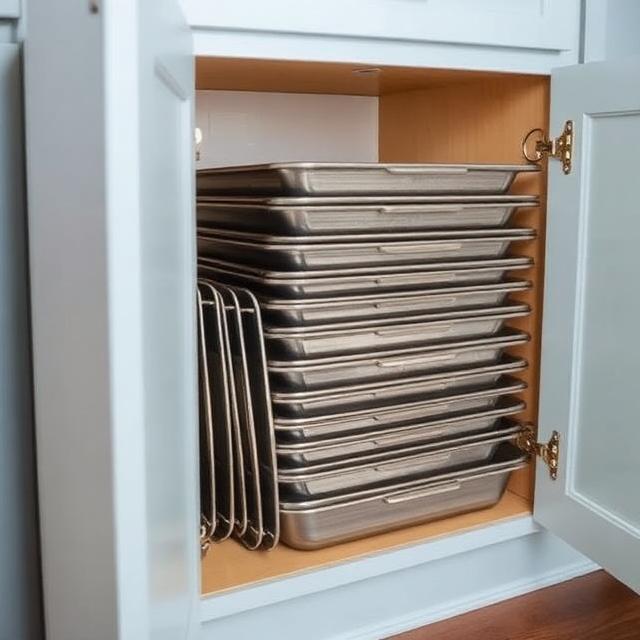
Stacked baking sheets are noisy and frustrating. Vertical dividers allow you to slide trays in like files instead of piling them flat. This not only saves space but also protects your cookware from scratches. It’s a small structural tweak that dramatically improves accessibility. In compact kitchens, easy access matters more than anything.
11. Store Lids Separately from Pots
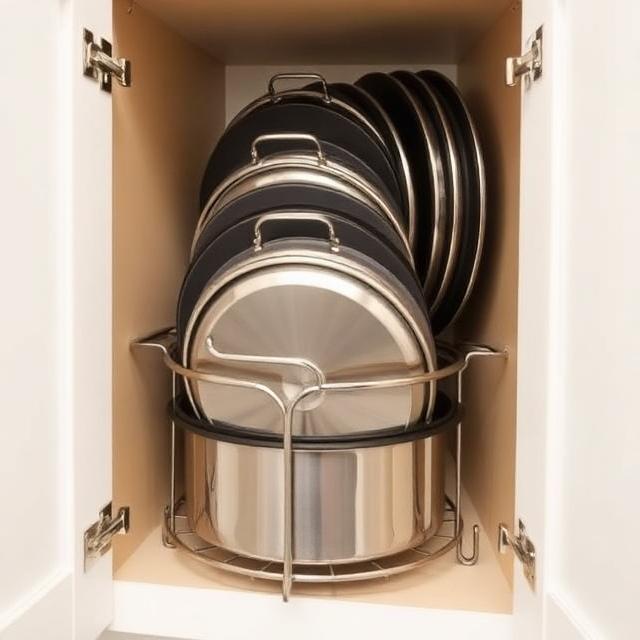
Pot lids are awkward and take up disproportionate space. Storing them upright in a rack — especially mounted on a cabinet door — frees up room for nesting pots neatly. This method creates breathing room in tight cabinets. It also prevents the avalanche effect when you pull one pan out. Organized lids are a surprisingly satisfying win.
10. Use Lazy Susans for Corners
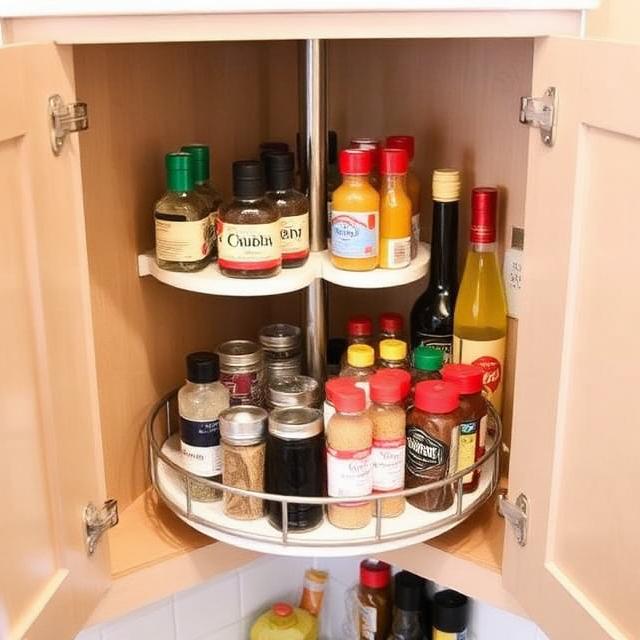
Corner cabinets can be the most frustrating part of a small kitchen. A rotating turntable eliminates dead space and keeps items accessible. Spices, oils, and condiments are perfect candidates. Instead of losing things in the back, everything rotates forward. It’s one of those tools that feels almost magical in tight layouts.
9. Decant Dry Goods into Uniform Containers
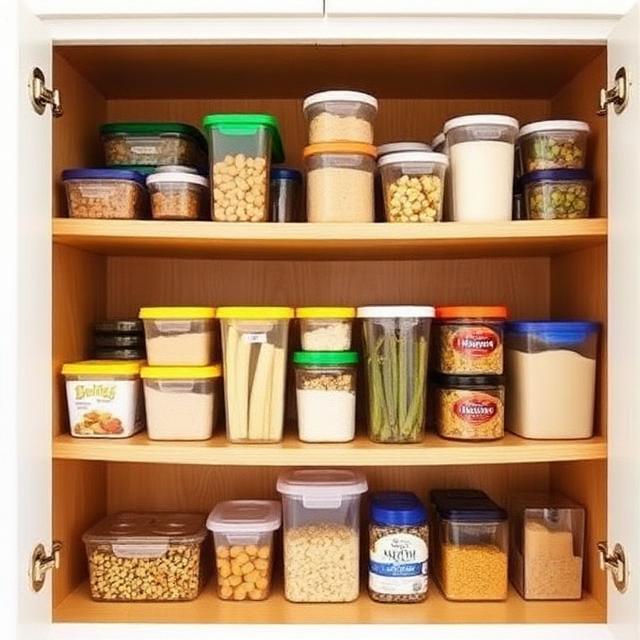
Mismatched packaging wastes space and looks cluttered. Uniform containers stack neatly and maximize shelf depth. They also keep food fresher and reduce visual noise. In small spaces, visual calm equals mental calm. A tidy cabinet genuinely changes how your kitchen feels.
8. Use Cabinet Door Storage
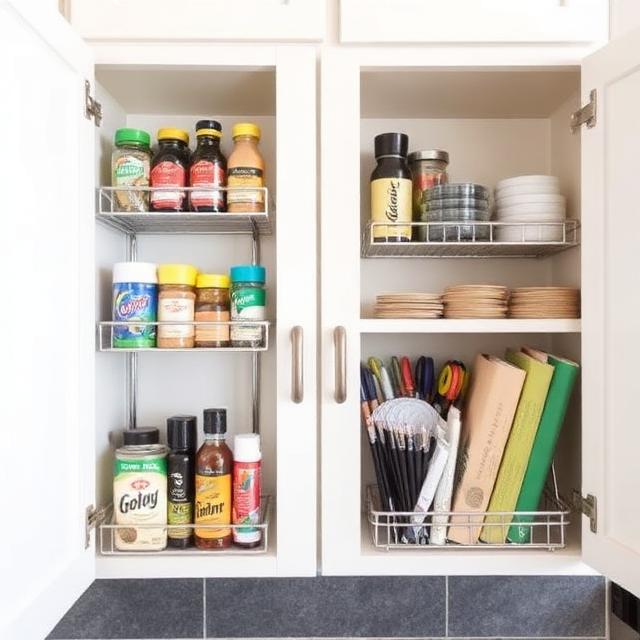
The inside of cabinet doors is prime real estate. Slim racks can hold spices, cleaning supplies, or foil and plastic wrap. This keeps shallow items from crowding shelves. It’s an often-overlooked strategy that adds hidden storage instantly. Small kitchens thrive when every inch works harder.
7. Store Only What You Use Daily at Eye Level

No organizer will fix a cabinet that’s overfilled with rarely used gadgets. Keep everyday dishes, glasses, and cooking tools at eye level. Move seasonal or specialty items higher up. This shift alone improves workflow dramatically. Organization isn’t just about containers — it’s about thoughtful placement.
6. Nest Mixing Bowls and Measuring Cups

Stackable items should actually stack. Mixing bowls, measuring cups, and storage containers should nest inside one another. If they don’t, consider replacing them with a more compact set. In small kitchens, efficiency sometimes means editing. Streamlined tools equal streamlined cabinets.
5. Add Under-Shelf Hooks for Mugs
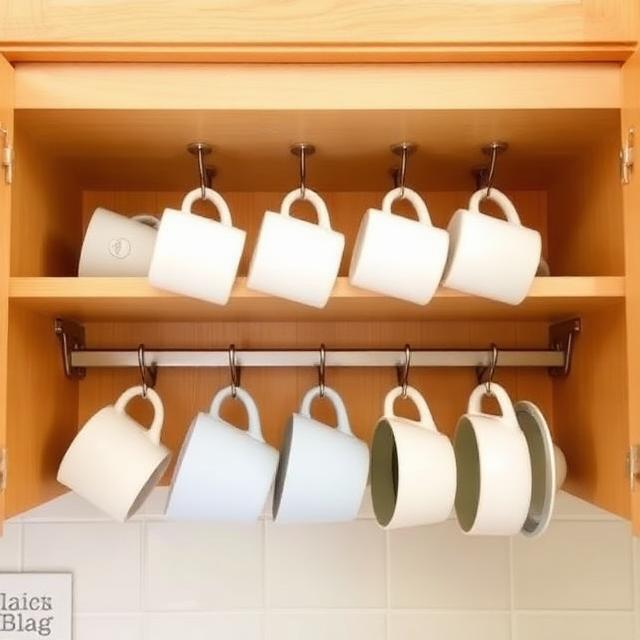
Mugs take up surprising shelf space. Under-shelf hooks allow them to hang instead of stack. This frees the entire lower shelf for plates or bowls. It’s a clever way to use vertical space creatively. And visually, it feels charming rather than cramped.
4. Use Stackable Drawers for Small Items

Small tools like measuring spoons, tea bags, or snack packs scatter easily. Stackable mini drawers create contained zones within cabinets. This keeps tiny items from drifting into larger categories. It’s about micro-organization inside macro-organization. Small spaces demand precision.
3. Create Zones by Function

Instead of organizing by item type, organize by task. Keep baking supplies together, coffee essentials together, and cooking oils together. When everything for a specific activity lives in one cabinet section, your workflow improves instantly. Small kitchens feel bigger when movement is minimized. Zoning creates intuitive flow.
2. Declutter Before You Organize

Before buying a single bin, remove everything from the cabinet. Donate duplicates, broken tools, or items you haven’t used in a year. This step is uncomfortable but transformative. Organization works best with fewer items. In small kitchens, less truly is more.
1. Assign Every Cabinet a Clear Purpose

The most powerful strategy is giving each cabinet a defined role. One for dishes, one for pantry items, one for cookware, and so on. When a cabinet has a clear identity, it prevents overflow and confusion. You stop cramming random items wherever they fit. That clarity creates long-term order — and that’s what truly makes a small kitchen feel functional and beautifully put together.
Conclusion
Organizing kitchen cabinets in a small space isn’t about perfection — it’s about intention. When every shelf, door, and corner has a purpose, your kitchen starts working with you instead of against you. The magic really happens when you combine smart tools like risers and pull-outs with thoughtful editing and clear zones.