How to Layer a Bed Like a Designer (14 Essential Steps)
Last updated on February 14th, 2026 at 08:52 am
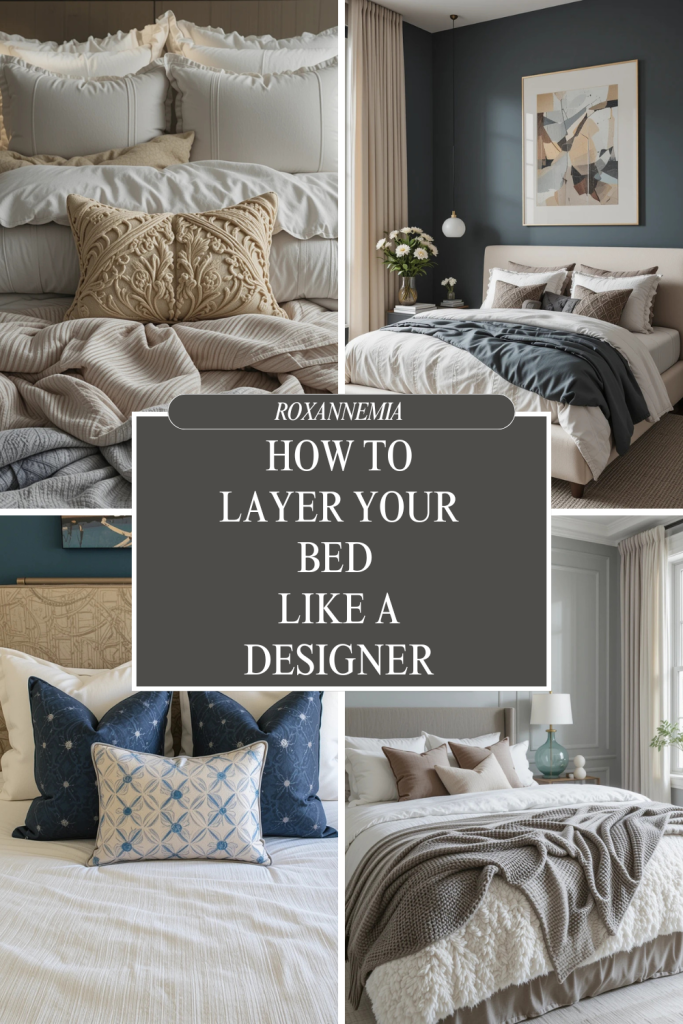
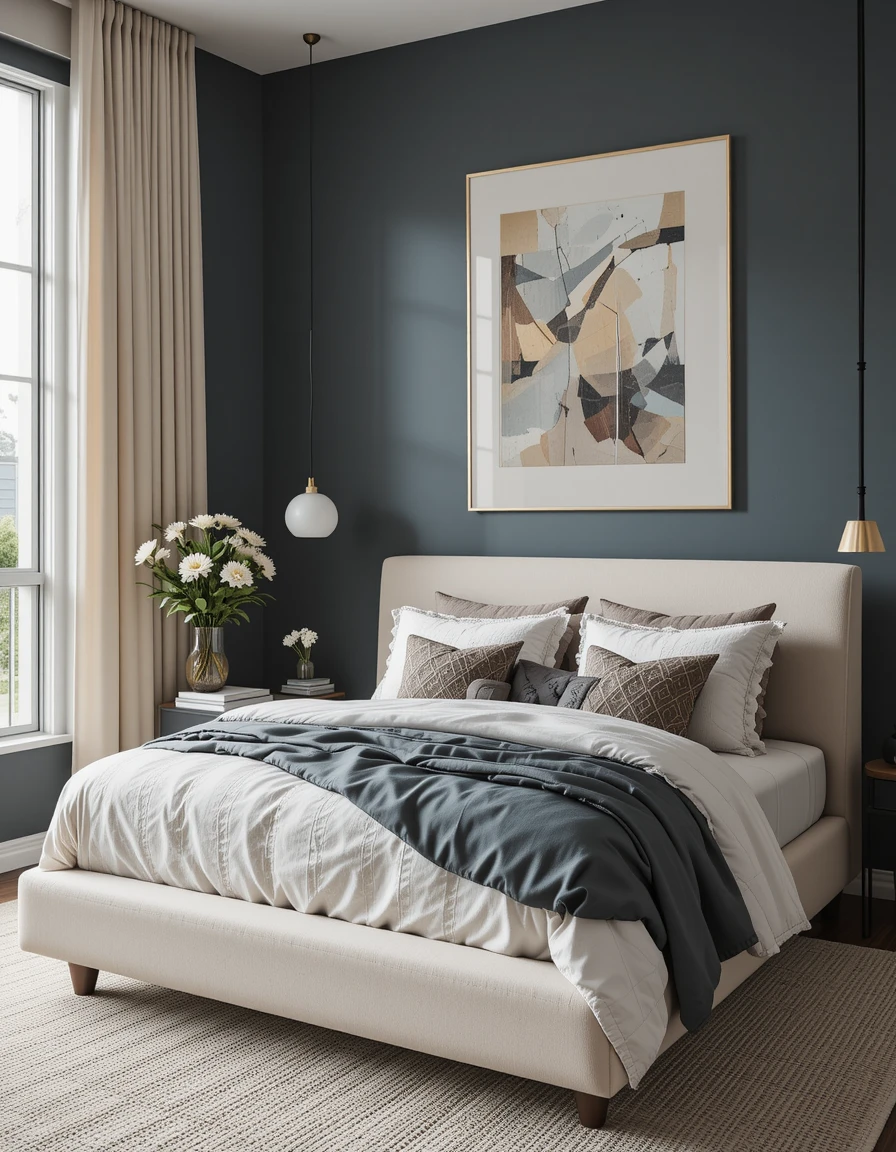
A beautifully layered bed is the centerpiece of a well-designed bedroom. Designers know that a bed isn’t just about comfort—it’s about proportion, texture, and visual balance. The good news? You don’t need luxury hotel budgets or a degree in interior design to achieve the look. With the right approach and a few thoughtful choices, anyone can layer a bed like a pro.
1. Start with a High-Quality Mattress Protector
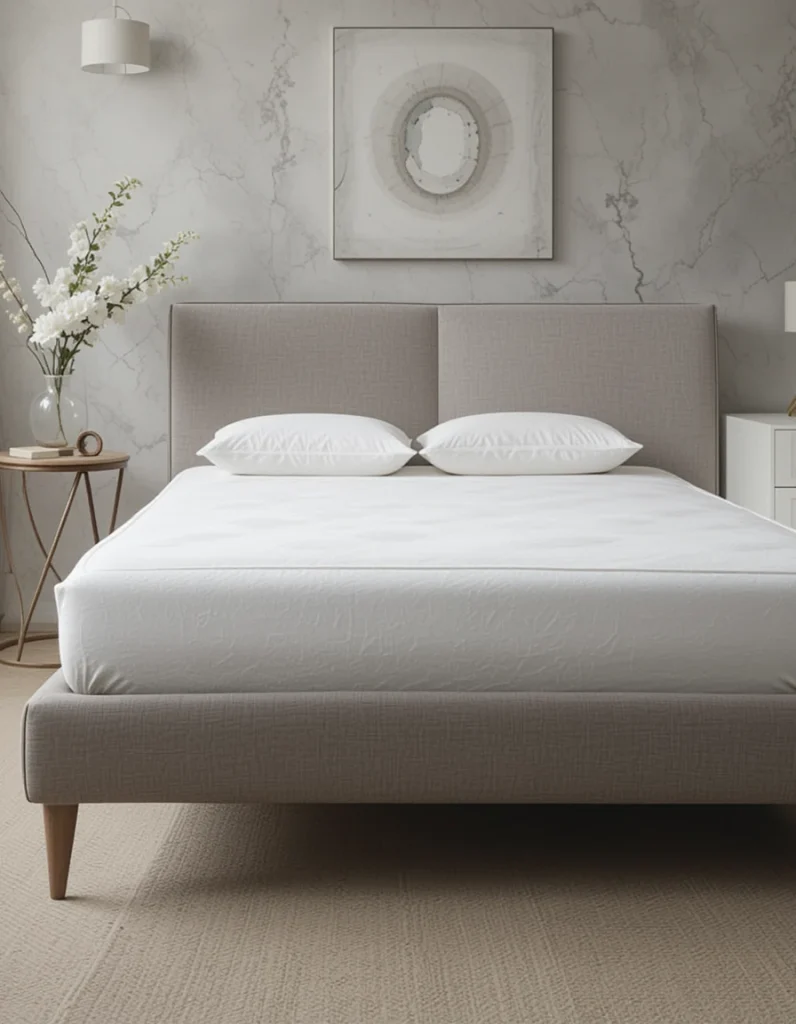
Every designer-level bed begins with a clean foundation. A mattress protector keeps your bed fresh, protects your investment, and adds a subtle layer of comfort. Choose one that’s breathable and fitted so it doesn’t bunch or shift under your sheets. This invisible layer ensures longevity and hygiene without compromising style.
2. Add a Crisp Fitted Sheet
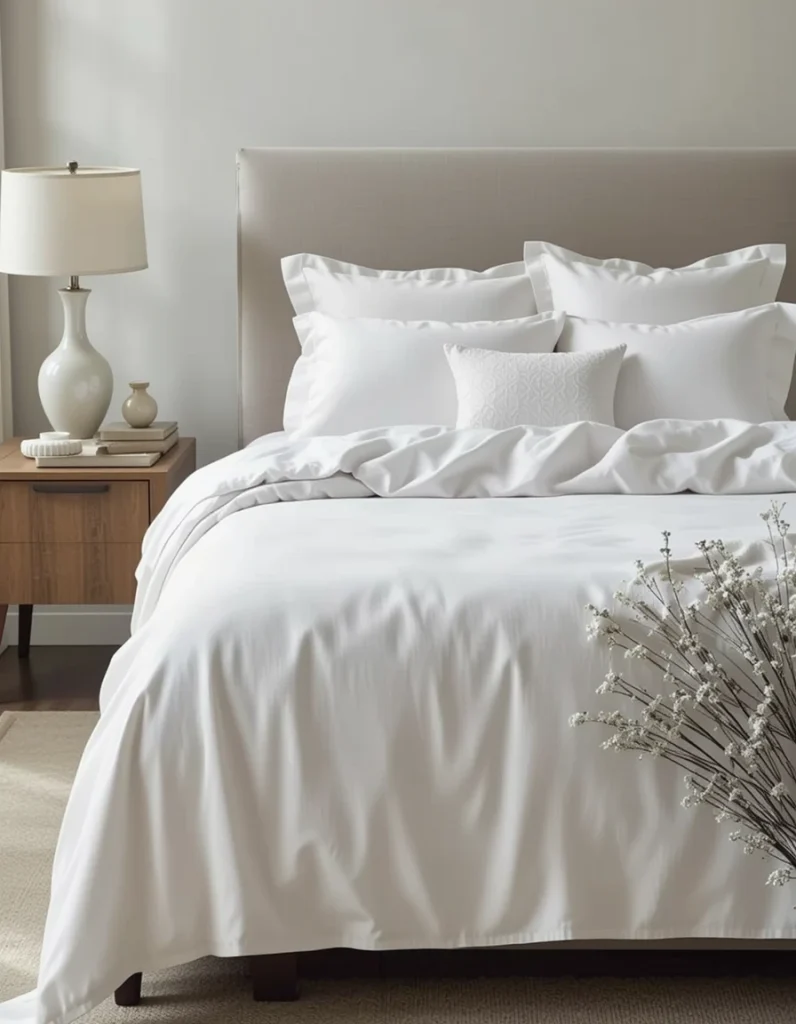
The fitted sheet sets the tone for the entire bed. Designers typically choose neutral shades—white, ivory, soft gray, or beige—because they create a clean backdrop for layering. Opt for natural fibers like cotton percale for a crisp look or sateen for a smoother, more luxurious feel. Pull it tight for a tailored finish.
3. Layer with a Flat Sheet (Yes, It Matters)

The flat sheet is more than functional—it adds polish. Designers often fold it back neatly over the duvet to create contrast and structure. Choose a sheet that complements your fitted sheet, either matching or subtly contrasting in tone. Smooth it carefully to avoid wrinkles and uneven edges.
- 14 Linen Closet Organization Ideas With Storage Baskets and Bins for a Tidy, Clutter-Free Space
- 13 Modern Living Room Luxury-Looking Curtain Designs That Make Your Home Look Expensive
- 13 Modern Sunroom Kitchen Designs for a Bright Breakfast
- Walk-In Closet Ideas: 13 Stylish and Practical Designs
- Modern Driveway Planters: 13 Stylish Ideas to Upgrade Your Entrance
4. Introduce a Lightweight Coverlet or Quilt
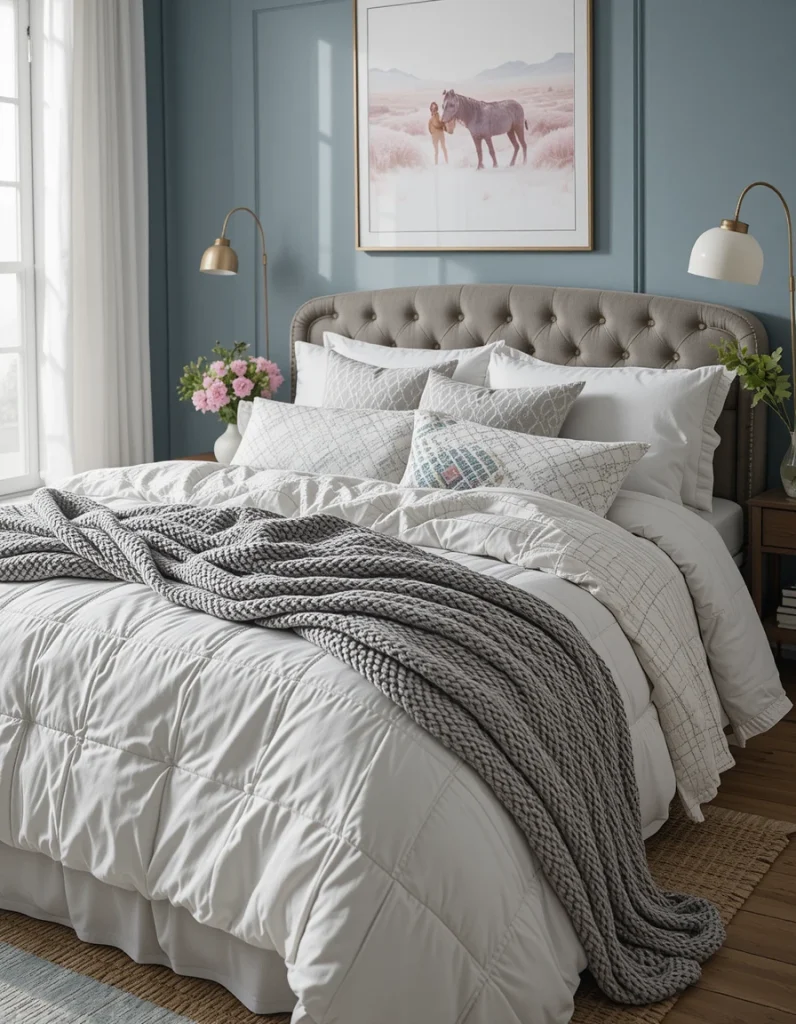
This is where the layering begins to feel intentional. A coverlet or quilt adds texture and depth while keeping the bed from looking flat. Designers often place this layer between the sheets and the duvet. Choose something slightly oversized and fold it halfway up the bed or drape it neatly at the foot.
5. Choose a Fluffy, Well-Filled Duvet
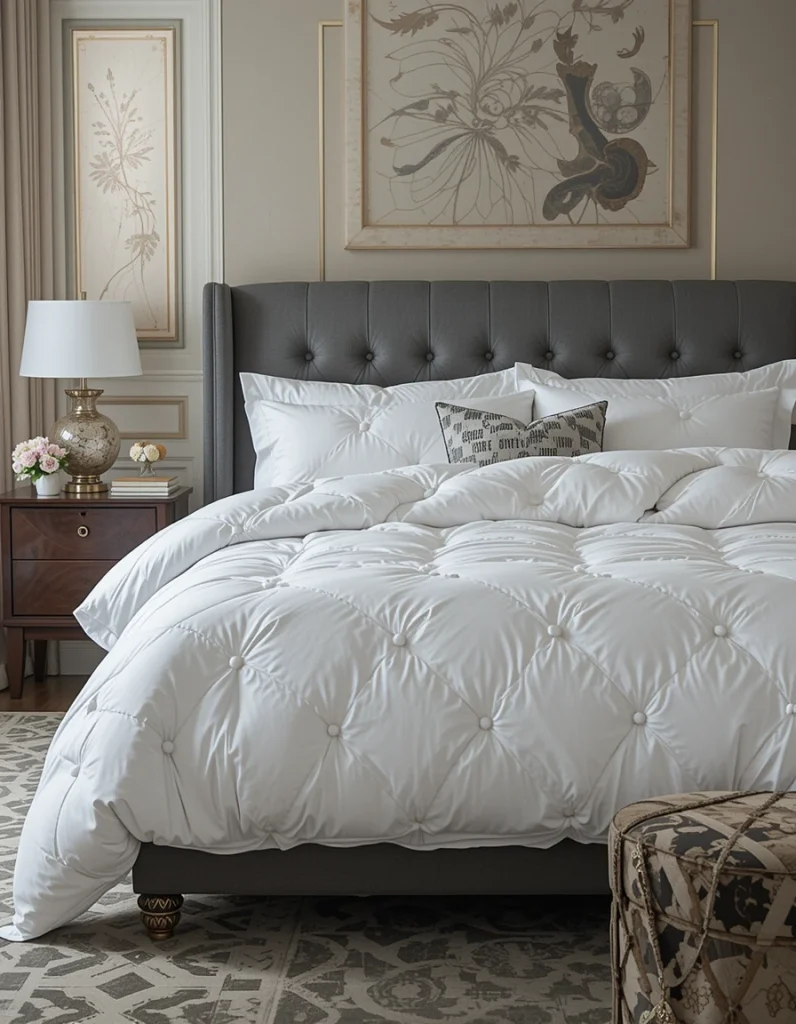
A designer bed always looks plush. The key is a generously filled duvet—often one size larger than the mattress for extra drape. This creates that luxurious, cloud-like appearance. Down or down-alternative inserts both work, as long as the fill feels full and evenly distributed.
6. Select a Duvet Cover with Texture or Subtle Pattern
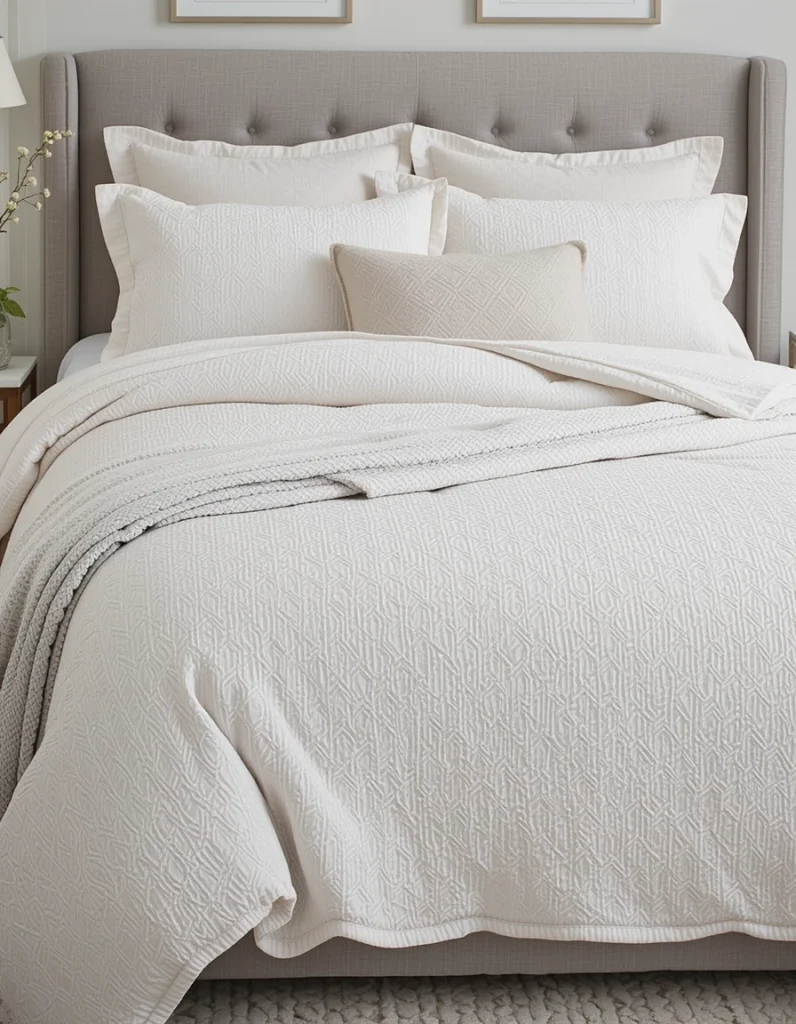
The duvet cover is the star of the show. Designers often lean toward solids with texture—linen, washed cotton, or matelassé—or very subtle patterns. Neutral doesn’t mean boring; texture adds visual interest without overwhelming the space. Make sure the cover fits snugly to avoid sagging corners.
7. Master the Fold-Back Technique
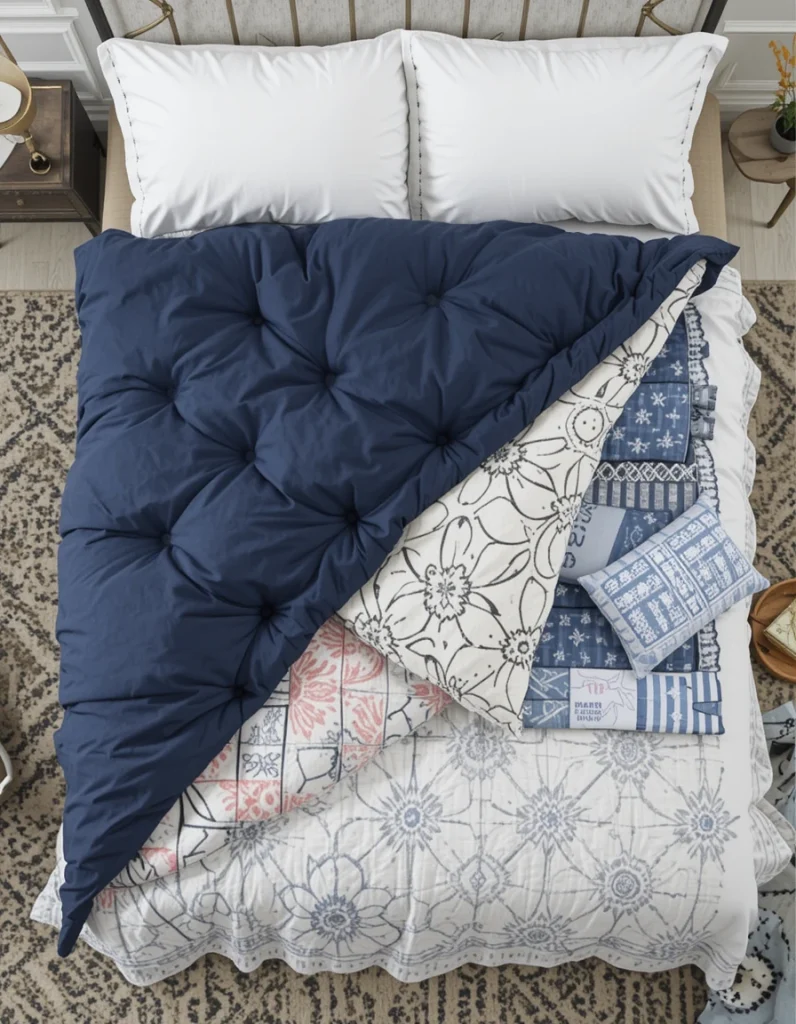
Instead of pulling the duvet all the way up, fold it back about one-third of the way down the bed. This reveals the flat sheet and any quilt underneath, creating depth and contrast. This layered reveal is a signature designer move and instantly elevates the look.
8. Start Your Pillow Base with Sleeping Pillows
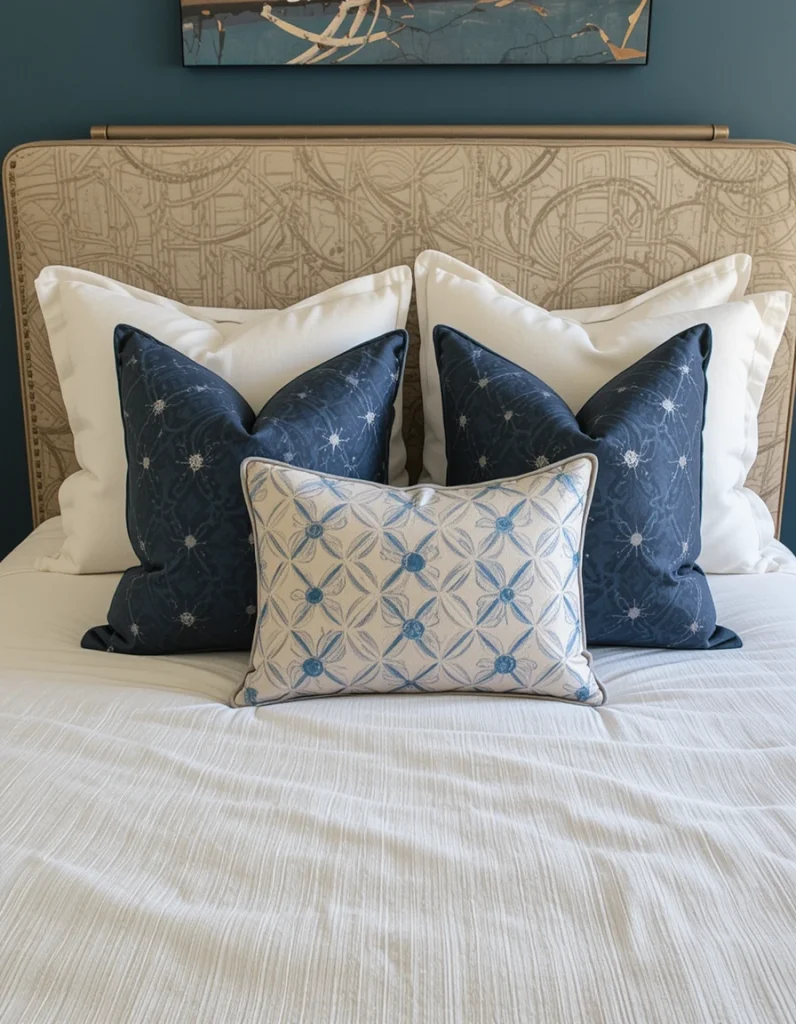
Designers begin with function before decoration. Place your sleeping pillows flat against the headboard, standing them upright or slightly angled. Use pillow protectors and matching pillowcases to keep this layer clean and cohesive. Typically, two pillows for a twin, four for a queen or king.
9. Add Euro Pillows for Height
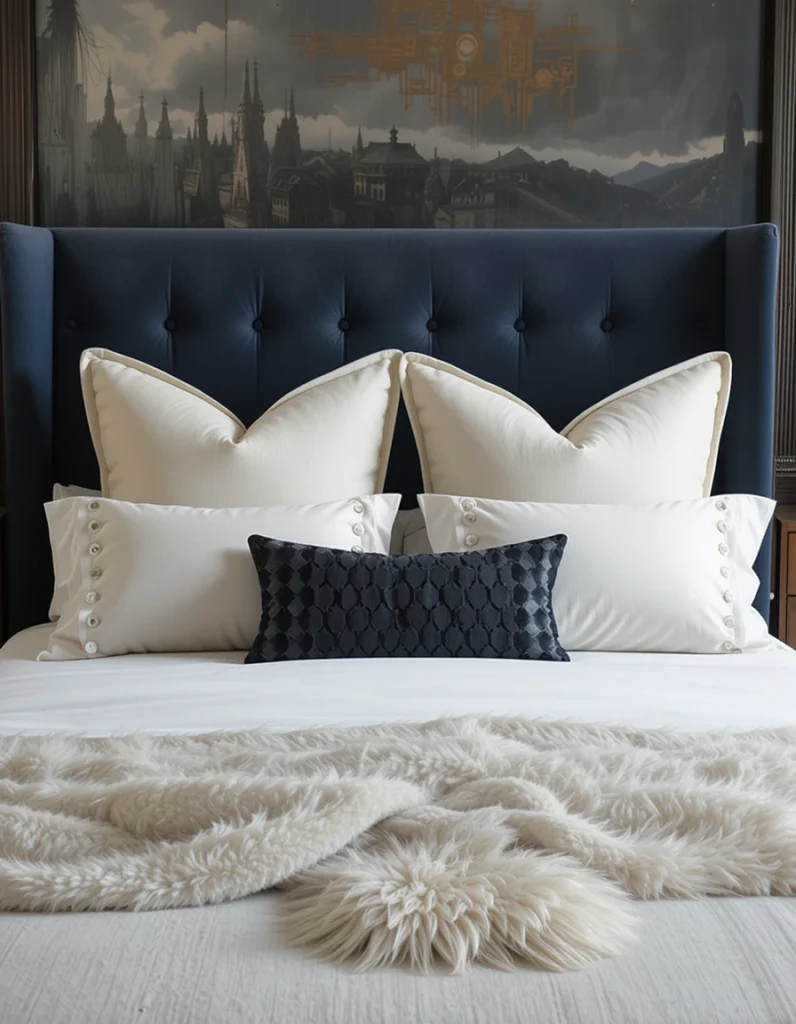
Euro pillows (the large square ones) are essential for a designer bed. They add height, structure, and a luxurious hotel feel. Place two for a queen or three for a king, propped firmly against the headboard. Choose covers that complement your duvet—linen, velvet, or subtly patterned fabrics work beautifully.
10. Layer Standard or Queen Decorative Pillows

Next comes a row of standard or queen-size decorative pillows. These often match the duvet cover or feature a complementary color. This layer bridges the gap between the large Euro pillows and smaller accent pillows, creating a balanced, tiered look.
11. Finish with Accent or Lumbar Pillows
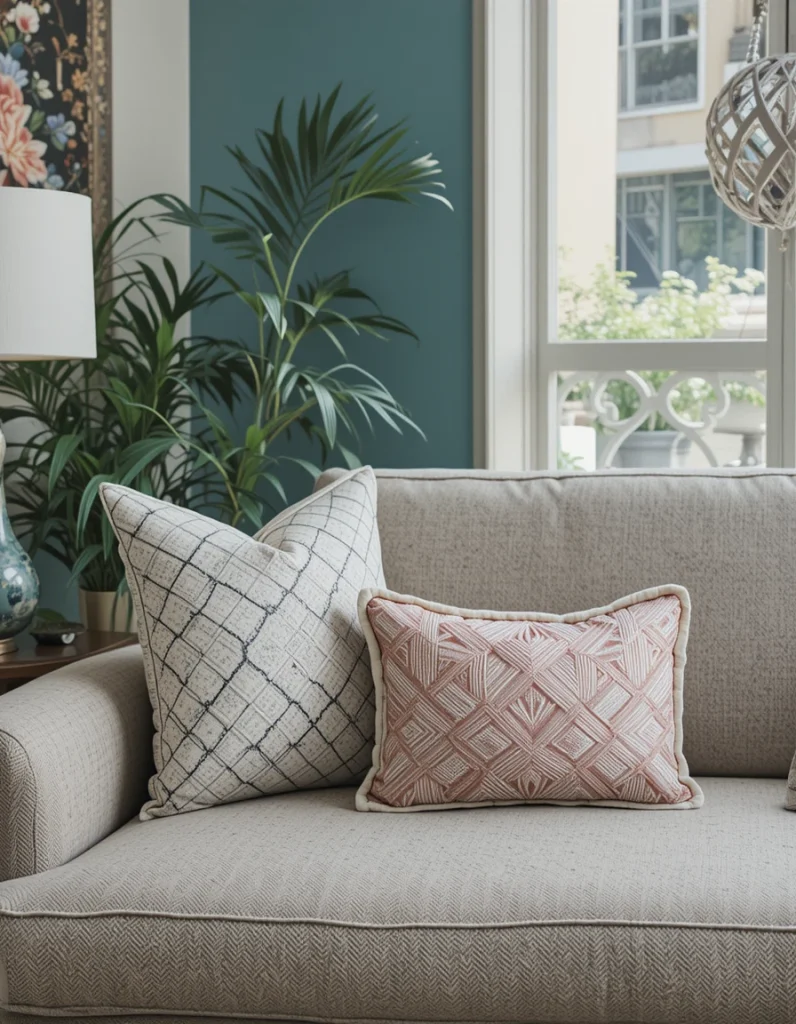
This is where personality comes in. Add one to three accent pillows or a single lumbar pillow in front. Designers use this layer to introduce contrast—think texture, pattern, or a slightly bolder color. Keep it intentional; too many small pillows can feel cluttered rather than curated.
12. Drape a Throw Blanket Thoughtfully
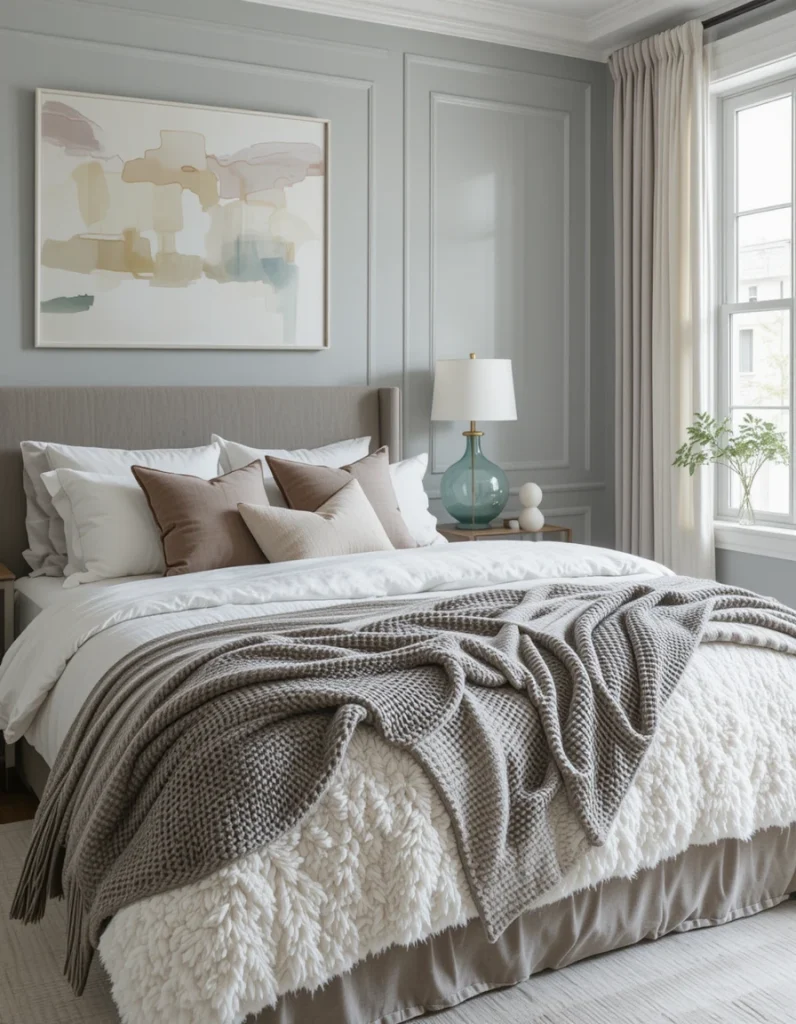
A throw blanket adds softness and a relaxed, lived-in feel. Designers usually place it casually at the foot of the bed, either folded neatly or draped slightly off-center. Choose a contrasting texture—chunky knit, wool, or faux fur—to add warmth and dimension.
13. Pay Attention to Color Balance
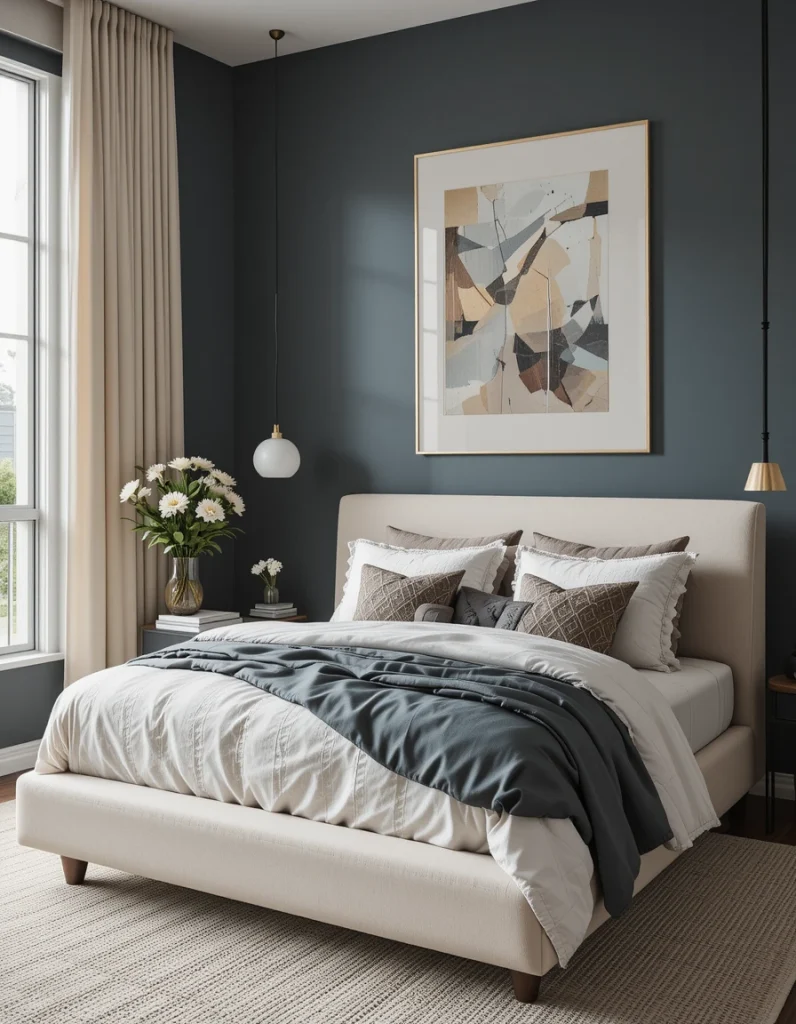
A designer bed sticks to a cohesive palette, typically two to three main colors. Neutrals layered with subtle variations feel calm and timeless, while a restrained pop of color adds interest. Step back and check that no single color overwhelms the others.
14. Finish with Symmetry—and Then Break It Slightly
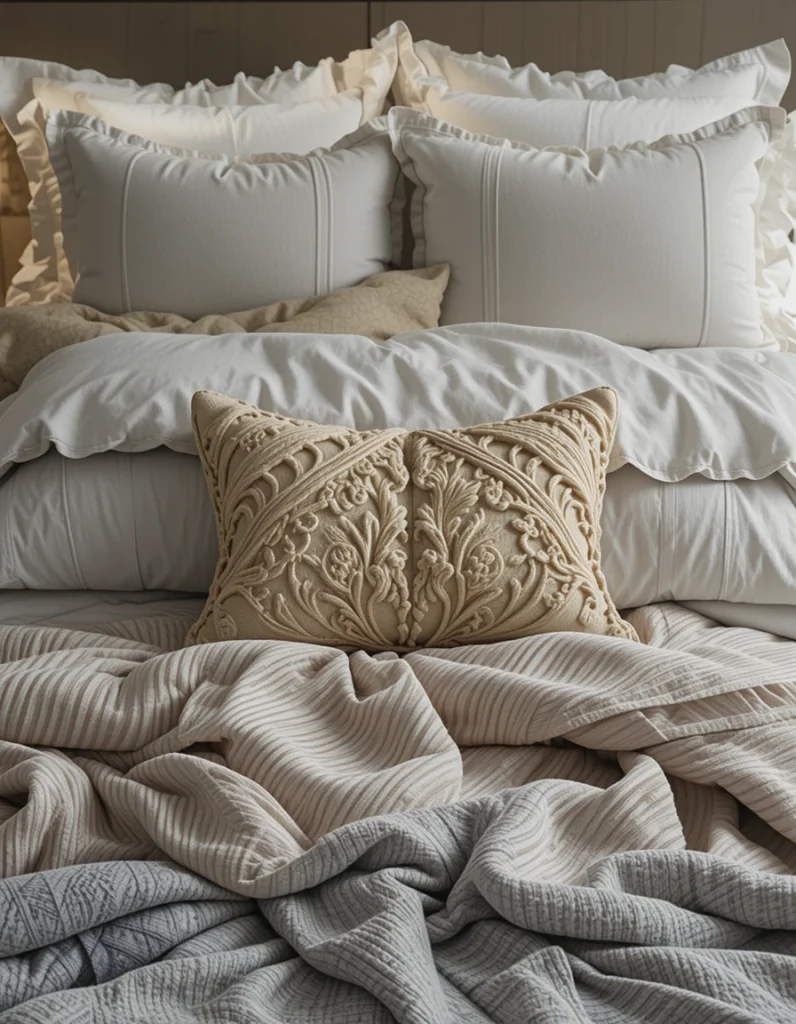
Designers love balance, but perfection can feel stiff. Start with symmetry—matching pillows, evenly folded layers—then introduce a slight imperfection: a casually draped throw, a gently angled pillow, or soft wrinkles in linen. This final touch makes the bed feel inviting, not staged.
Final Thoughts
Layering a bed like a designer is about more than piling on pillows—it’s about intention. Each layer serves a purpose, whether it’s comfort, texture, or visual balance. By following these 14 steps, you can transform your bed into a centerpiece that feels luxurious, welcoming, and professionally styled.
The best part? Once you master the basics, you can easily switch covers, throws, or accent pillows with the seasons, keeping your bedroom fresh without starting from scratch. A well-layered bed isn’t just something you look at—it’s something you look forward to coming home to.